
When Winter Comes to the Valley — Are We Ready? |
After the floods, a practical look at preparing our homes, roads and neighbors for the cold months ahead |
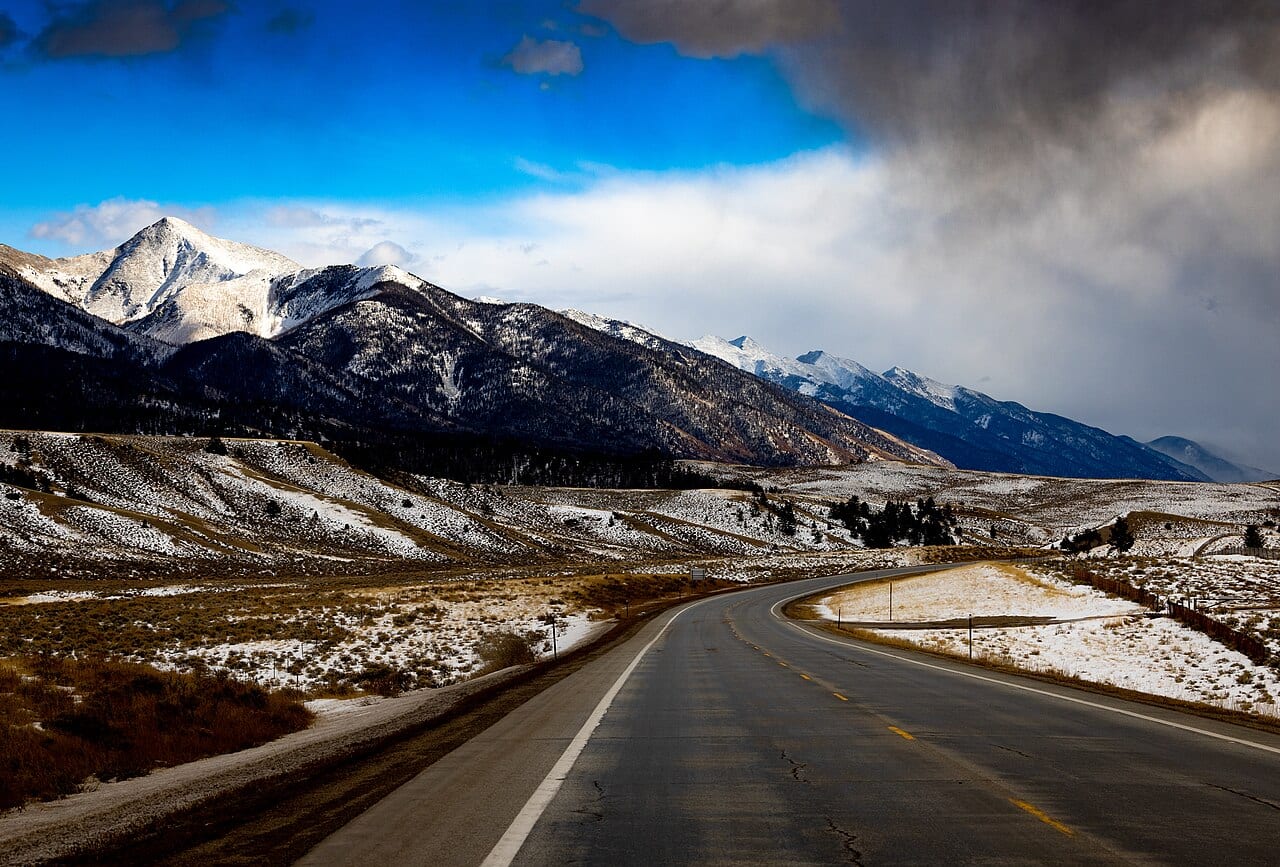
The recent flooding has reminded us how quickly ordinary life can change in the San Luis Valley. Now, as November begins, another season of challenges is arriving. We know winter will bring freezing temperatures, icy roads, and storms to our high-altitude communities. The question is whether we have taken the time to prepare before we need help.
A Reminder From the Floodwaters
The late-October flooding and renewed high water in early November have shown how vulnerable familiar routes and rural properties can be. Some families have had to deal with evacuation notices, damaged access, and uncertainty about when it will be safe to return to normal routines. On November 2, the National Weather Service was still warning of flooding along the Rio Grande and Conejos River systems while winter weather affected the higher mountains. That overlap is a reminder that emergencies do not always arrive one at a time. A household still drying out or arranging repairs may have less time and fewer resources to get ready for freezing weather.
Keeping the Heat On
In a Valley where winter nights can be bitterly cold, reliable heat is essential. Before temperatures drop further, homeowners should check furnaces, boilers, woodstoves, chimneys, and propane supplies. Insulating exposed water pipes and knowing how to shut off the water can help prevent a frozen pipe from becoming an expensive emergency. Test smoke alarms and carbon monoxide detectors, especially in homes using fuel-burning heat. Never use an outdoor grill, camp stove, or generator to heat a house. A generator must stay outdoors, well away from windows and doors. Families should also plan where they could safely stay if a long power outage leaves their home without heat.
When the Road Home Is Closed
Distance is part of life here. A routine trip from a ranch, a small community, or a home outside town may depend on one bridge, one county road, or one highway. Recent flood damage makes it especially important not to assume a familiar road is passable. Winter adds drifting snow, black ice, low visibility, and mountain-pass closures. Before leaving, check COtrip and the forecast, tell someone where you are going, and allow extra time. Keep a vehicle emergency kit with warm clothing, blankets, water, snacks, a flashlight, a shovel, a phone charger, and necessary medications. Check tires, brakes, the battery, wipers, and heater before the first major storm. If a road is barricaded, do not drive around the closure, even if it looks clear.
Prepared at Home, Not Just on the Highway
A winter emergency kit does not need to be elaborate. Set aside drinking water, shelf-stable food, a manual can opener, flashlights, spare batteries, a battery-powered radio, first-aid supplies, and enough essential medication to get through an interruption. Keep important telephone numbers on paper in case a phone battery dies or service fails. Households relying on electric medical equipment should make an outage plan with their equipment supplier and utility, including a safe backup power option and a place to go if power cannot be restored promptly. Those with livestock or pets should consider how they will provide shelter, feed, and unfrozen water during a storm.
Neighbors Are Part of the Plan
Preparation is not only about supplies. In small communities across the Valley, a neighbor with a snowplow, a four-wheel-drive vehicle, or simply the time to make a phone call can make an enormous difference. Before the weather turns, check whether an older neighbor, someone living alone, or a family with limited transportation has what they need. Agree on a simple way to check in during an outage or storm. Nobody should feel obligated to put themselves in danger to help; when conditions are unsafe, call emergency services instead.
Before the First Big Storm
Take a few minutes this week to check the heating system and carbon monoxide detectors; protect exposed pipes; review food, water, and medication supplies; prepare the car; and identify a backup place to stay if heat or power fails. Sign up for alerts from your county's emergency management office, and bookmark the National Weather Service and COtrip. If your home or access road was affected by flooding, prioritize safe inspections and repairs rather than assuming everything will withstand the first hard freeze.
A Lesson Worth Carrying Into Winter
The San Luis Valley has always required a certain amount of self-reliance. But the past two weeks have also shown the value of good information, emergency responders, and neighbors willing to lend a hand. We cannot prevent every storm or keep every road open. We can make sure we have a plan, know where to find reliable updates, and remember to check on the people around us. Winter is coming, whether we are ready or not. There is still time to get ready together.
|
0 Comments
Join the conversation
Be the first to comment
Share your thoughts above.