
Frank V Flohr
Sep 22, 2026
ISSUE #34 · TUESDAY, SEPTEMBER 22, 2026
This Week in The San Luis Valley BeatFall has arrived in the San Luis Valley, and there's plenty happening as September gives way to October. This week, we're highlighting local FFA students, taking another trip into the Valley's past with Lost Places, and traveling the historic Los Caminos Antiguos. We'll also check in on construction of Monte Vista's new wastewater treatment facility, spotlight a local senior center, look ahead to fall festivals and events around the Valley, and introduce you to an adoptable dog named Peanut — plus, Around the Table fires up the smoker for some homemade cast-iron mac & cheese. TRIVIA QUESTION ?
Conejos County was one of Colorado Territory's original 17 counties in 1861 — but what was it originally called?
(Answer at the bottom!)
|
🎁 Subscriber Bonus: Your Free San Luis Valley Restaurant Guide
As a thank-you for being a subscriber to **The San Luis Valley Beat**, we've created a **free San Luis Valley Restaurant Guide** featuring local restaurants from communities across the Valley.
Whether you're searching for your next breakfast stop, a family dinner, a quick lunch, or a place you've never tried before, this guide makes it easy to discover great local dining options.
This is just the beginning. We'll continue updating the guide as new restaurants are added and information changes, so you'll always have access to the latest edition.
Thank you for supporting local businesses and The San Luis Valley Beat! |
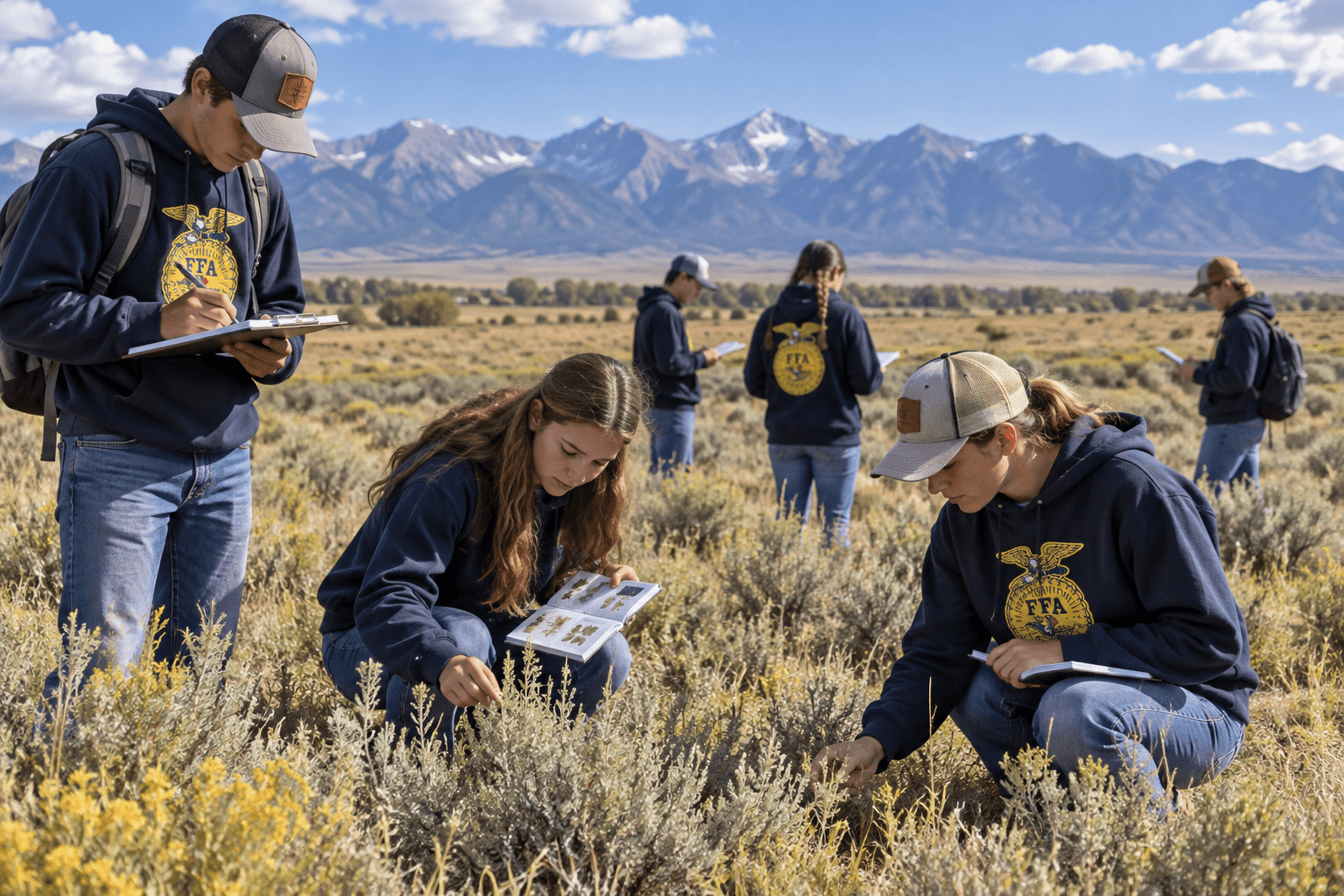
For generations, agriculture has shaped life in the San Luis Valley.
Fifty-one local students from six FFA chapters recently tested their agricultural skills at the fifth annual San Luis Valley FFA Range Judging competition held on September 15.
Participants learned to view the land like true range managers—identifying native plants, assessing rangeland health, and making informed decisions about grazing, all essential in a region where ranching is vital.
This year’s drought created real-world challenges, forcing students to rely on creative problem-solving as some grasses lacked their usual identifying features.
Sargent FFA secured first place, with Madeline Mitchell topping individual scores.
Beyond trophies, competitors gained invaluable lessons in stewardship and the balance required to maintain healthy land for future generations.
Events like this ensure that the Valley’s agricultural heritage stays rooted in tomorrow’s leaders. Read More... |

Discover Mammoth, Alamosa's vibrant destination for unique gifts, delicious handmade fudge, and signature loaded potatoes at the Spud Café. With handpicked selections and a welcoming atmosphere, Mammoth is the perfect stop for locals and visitors alike. Enjoy a lunch experience using locally grown potatoes while browsing through memorable souvenirs, classy gifts, and novelty items that capture the spirit of the San Luis Valley. Treat yourself to gourmet fudge or host a catered event with their hearty and customizable spud bar—there’s something for everyone at Mammoth! Stop by any day of the week and feel the Mammoth vibe! |
|
|
 |
 |
Preserving the stories of places time forgot. |
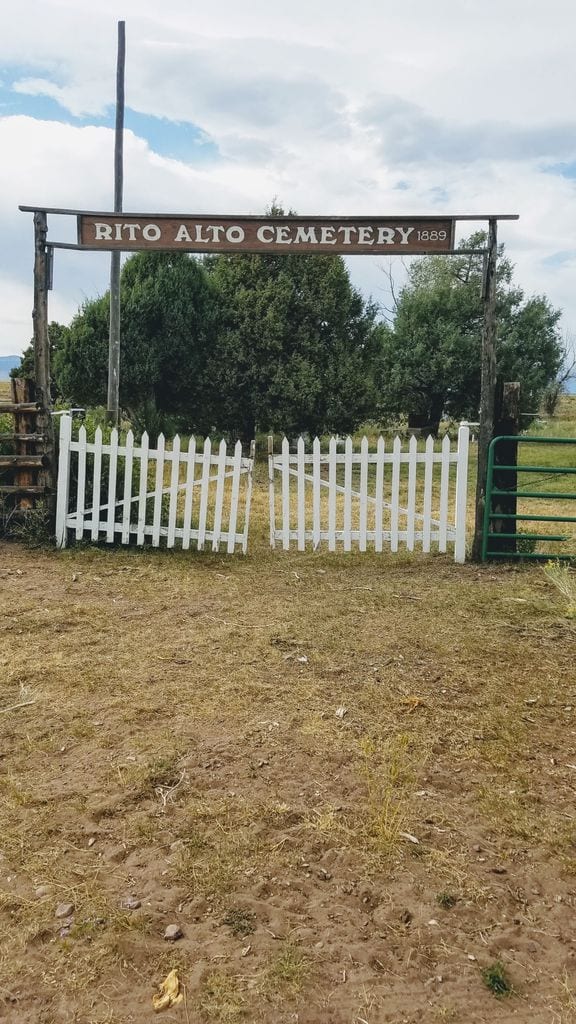
Rito Alto — The Colony That Couldn't Conquer the ValleyMore than a century ago, promoters divided San Luis Valley land into tiny farms and sold a dream to newcomers. The Valley had other plans. Drive through the open country east of Moffat today and there is little to suggest that more than a century ago, people from outside the San Luis Valley were being sold a dream here. It was a dream built around land. Small farms. Rich soil. Water. A chance to start over beneath the enormous skies of southern Colorado. The place was called Rito Alto, and while its story isn't one of abandoned saloons and collapsing mine buildings, it belongs among the San Luis Valley's Lost Places. Because what disappeared here was a dream of settlement. Before the Promoters ArrivedThe Rito Alto story reaches back to the early years of permanent settlement in this part of the Valley. Ancestors of the Albert and Shellabarger families homesteaded along Rito Alto Creek around 1870, establishing agricultural operations in a landscape where water was—and remains—the key to making the land productive. Rito Alto became enough of a recognized community to have its own post office. Postal records indicate the Rito Alto post office operated from 1872 until 1884. But several decades later, a very different chapter began. Five Acres and a DreamIn 1910, portions of the property were sold to the Oklahoma Land & Colonization Company. The company divided land into small five-acre tracts and marketed them to people from outside the Valley. On paper, the opportunity must have sounded appealing. Own a piece of Colorado. Farm your own ground. Build a new life in the wide-open San Luis Valley. But a five-acre farm in the Valley came with challenges that a sales pitch couldn't erase. At roughly 7,500 feet above sea level, the San Luis Valley has a short growing season, cold nights, limited precipitation and the ever-present possibility of frost. Successful agriculture here depends heavily on understanding the climate, the soil and—perhaps most importantly—water. Many of the newcomers soon discovered just how difficult their little farms could be. When the Dream FadedOver time, settlers began abandoning their five-acre parcels. The agricultural colony envisioned by the promoters never developed into the thriving landscape of small farms they had hoped to create. But the story didn't end there. Abigail Shellabarger began buying abandoned parcels back. Piece by piece, she reacquired land that had once been part of the family's holdings. During the difficult years of the Great Depression, additional parcels became available, allowing even more of the scattered property to be brought back together. The tiny farms that had been carved from the landscape gradually disappeared back into larger agricultural holdings. Rito Alto hadn't vanished in a fire or been emptied overnight when a mine closed. It simply faded. A Different Kind of Lost PlaceThat's what makes Rito Alto different from many of the places featured in this series. There aren't rows of abandoned storefronts waiting to be photographed. Instead, its history survives in property lines, old records, a cemetery and the stories of people who tried to make a living from this high-elevation landscape. The name itself survives as well—in Rito Alto Creek, the nearby landscape and ranches that continue the area's agricultural story. And unlike many Lost Places, this one has something of a hopeful ending. The Land Comes Full CircleMore than a century after promoters divided the land into tiny parcels, much of the area remains agricultural. In 2023, the Colorado Cattlemen's Agricultural Land Trust announced the permanent conservation of 2,710 acres of the Rito Alto and San Luis Ranches, protecting working agricultural land along with important senior water rights associated with Rito Alto and San Luis creeks. The landscape that once proved so difficult for newcomers continues to support agriculture—but on terms shaped by generations of experience with the Valley's climate and water. Rito Alto offers a reminder that not every Lost Place disappeared because the gold ran out, the railroad moved on or a mine closed. Sometimes people arrived because someone sold them a vision of what a place could become. Then they met the San Luis Valley itself. More than a century later, the little five-acre farms are mostly gone. But the land—and the lessons it taught—remain. |
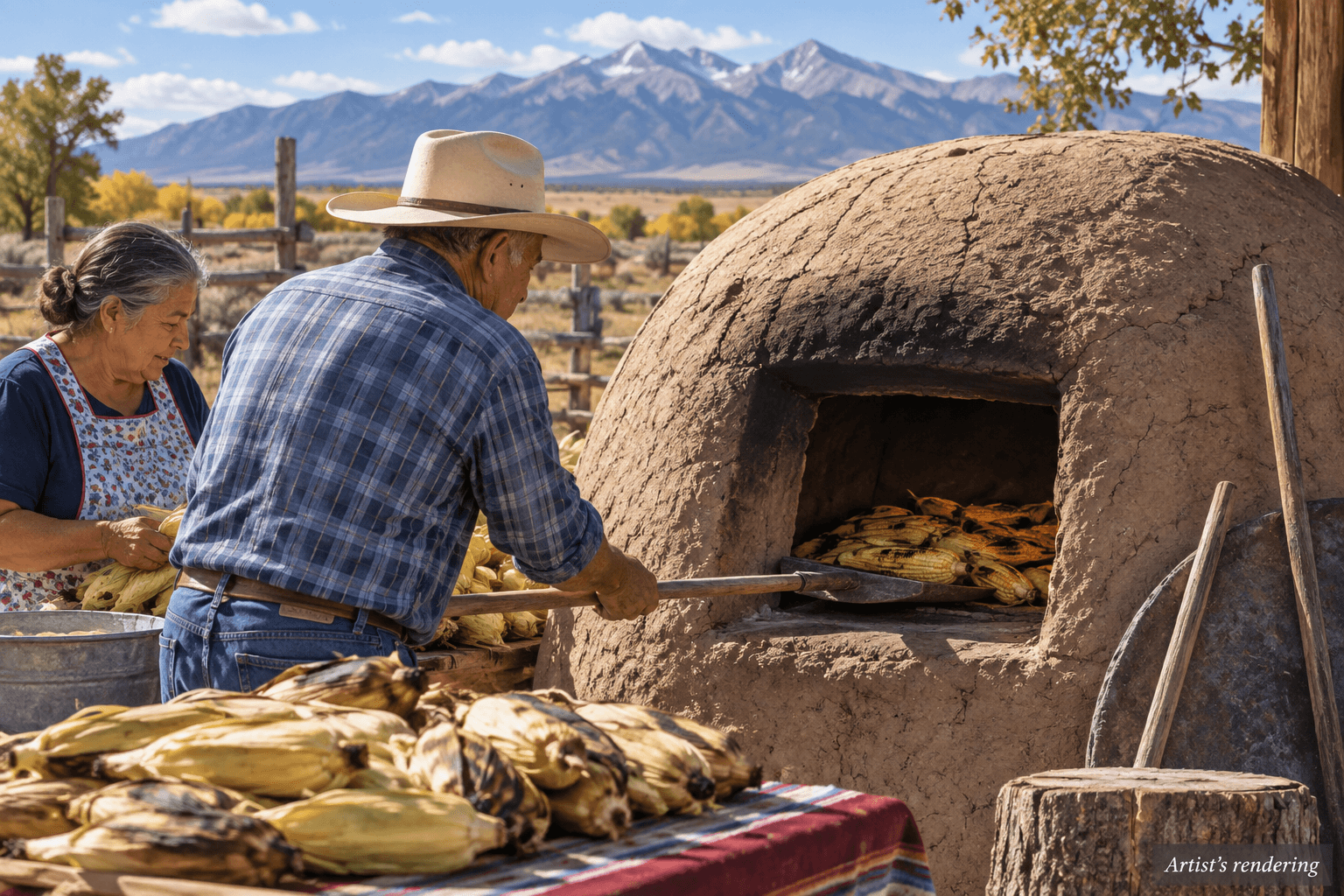
Antonito is set to honor chicos, a simple yet meaningful food with deep roots in the San Luis Valley, during Sunday’s Chicos on September 27.
Chicos are kernels of corn roasted in adobe hornos and dried for the winter, reflecting centuries-old traditions of survival and community in southern Colorado and northern New Mexico.
The event offers hands-on chico-making demonstrations at the Outdoor Nutrition Center, 515 River St., letting both longtime locals and newcomers connect with a vital part of the region’s cultural heritage.
Families once relied on food preservation like chicos to weather harsh winters, and these practices have been passed down by watching elders work with fire, corn, and adobe ovens.
Sunday’s Chicos aims to keep this tradition alive, inviting all to savor not just the distinctive flavors but the enduring stories and skills that bind the Valley’s communities together. Read More... |
 |
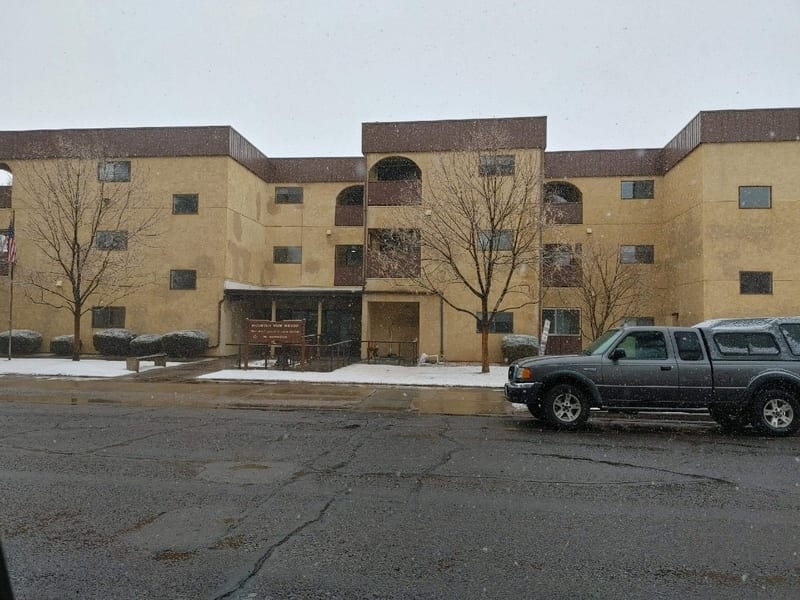
Tri-County Senior Center — A Place to Stay Active, Connected and Involved
For more than 50 years, the Monte Vista organization has provided seniors with friendship, activities, meals, housing and a place to belong. Sometimes one of the most important things a community can provide is simply a place where people know they're welcome. In Monte Vista, Tri-County Senior Citizens & Housing has been providing that kind of place for more than half a century. Located at 311 Washington Street, the Tri-County Senior Center serves older residents from Monte Vista and the surrounding San Luis Valley, offering opportunities to share a meal, participate in activities, meet friends and remain connected with the community. But the organization didn't start out quite as we know it today. From Monte Vista Regional Seniors to Tri-CountyThe organization traces its beginnings to 1973, when it was known as Monte Vista Regional Seniors. Those early efforts eventually grew beyond Monte Vista. As seniors from neighboring Mineral and Saguache counties became involved, the organization evolved into what would become Tri-County Senior Citizens & Housing. The name changed, the facilities grew and the services expanded, but the underlying purpose remained remarkably consistent: helping older residents remain active, independent and connected. That mission includes addressing social, recreational, educational, nutritional and housing needs. For some people, that might mean stopping by for an activity. For others, it might mean sitting down for lunch with friends. And sometimes it simply means having somewhere to go where familiar faces are waiting. A Permanent Home Takes ShapeAs the organization grew, so did the need for a permanent facility. That eventually led to the development of Mountain View Manor, a senior housing complex incorporating much more than apartments. The facility was built with 33 apartments, along with an activity and dining area and a commercial kitchen. Its formal grand opening was held in April 1981. Rather than separating housing from social activities and meals, the project created a place where seniors could live while remaining connected with other people and the wider community. More than four decades later, that idea remains at the heart of Tri-County. More Than a MealThe Monte Vista center is also one of the congregate meal locations serving seniors in the San Luis Valley. A nutritious meal is important, but congregate dining provides something that can't be delivered in a takeout container: companionship. Sitting down around a table gives people a chance to talk, laugh, catch up on what's happening around town and spend time with others. That social connection can become increasingly important as people grow older, particularly in a rural region where friends and family may live miles apart and transportation can sometimes be difficult. For someone living alone, a shared lunch can become one of the highlights of the day. Staying Active and InvolvedSenior centers also challenge an outdated idea of what growing older is supposed to look like. Retirement doesn't mean retiring from life. Activities and gatherings provide opportunities to continue learning, enjoy hobbies, meet people and remain involved in the community. They also create friendships. Someone may initially walk through the door because of a meal or an activity and eventually discover that the people they meet are the real reason they keep coming back. That sense of belonging is difficult to measure, but it can make an enormous difference. A Place to Call HomeHousing has been an important part of Tri-County's mission for decades. For older residents, being able to find appropriate housing while remaining close to friends, familiar businesses, medical services and the community they've known for years can be especially important. Mountain View Manor helped address that need while creating something more than simply a collection of apartments. The activity and dining areas gave residents opportunities to interact rather than become isolated. It was a concept built around both housing and community. More Than 50 Years of ServiceOrganizations like Tri-County don't always make headlines. Much of their work happens quietly—in dining rooms, activity rooms, conversations between friends and the everyday interactions that make a community feel like home. But consider how many people have passed through the organization since 1973. For more than half a century, generations of Monte Vista-area seniors have gathered here. They've shared meals. They've attended activities. They've made friends. And they've found ways to remain part of their community as they've grown older. What began as Monte Vista Regional Seniors eventually grew into an organization serving a wider area and providing both services and housing. Buildings have changed. Programs have evolved. Generations have come and gone. But after more than 50 years, the basic idea remains wonderfully simple. Everyone needs a place where they belong. Tri-County Senior Center 311 Washington Street Monte Vista, Colorado |
 |
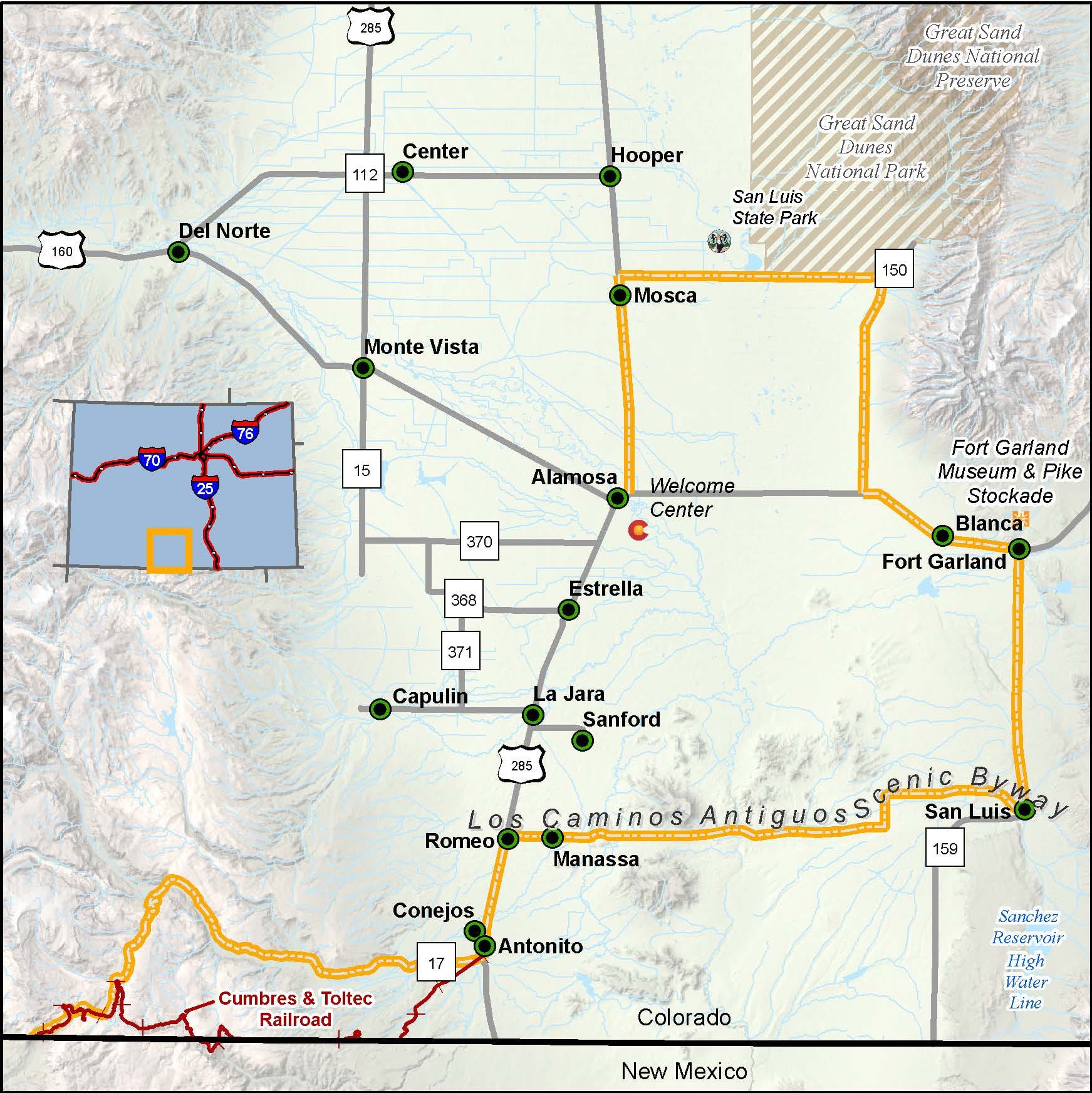
Los Caminos Antiguos — A Road Through Centuries of SLV HistoryFrom ancient landscapes and Colorado's oldest town to historic forts, churches and railroads, this southern Valley drive is about much more than the scenery. Map courtesy of the Colorado Department of Transportation. Sometimes exploring the San Luis Valley doesn't require hiking boots, a backpack or even a particular destination. Sometimes you just need a full tank of gas and a willingness to take the long way around. Los Caminos Antiguos Scenic and Historic Byway offers exactly that kind of journey. The name means “the ancient roads,” and it's fitting. The 129-mile route winds through some of the oldest communities and most historically significant landscapes in Colorado, telling a story that stretches from Indigenous peoples and Spanish exploration through early Hispano settlement, military history, agriculture and the arrival of the railroad. And with Colorado recognizing National Scenic Byway Day on Sept. 22, this week is an especially appropriate time to rediscover a road many Valley residents have probably traveled in pieces without ever thinking of it as one continuous journey. 129 Miles of the Southern ValleyLos Caminos Antiguos begins in Alamosa and makes its way through the southern and eastern San Luis Valley before eventually reaching the Colorado-New Mexico line west of Antonito. Driving the entire route takes roughly three hours without extended stops—but rushing it somewhat defeats the purpose. The byway connects places that tell very different chapters of the Valley's story. Along the way are the Great Sand Dunes, Fort Garland, San Luis, Conejos, Manassa and Antonito before the road climbs toward La Manga and Cumbres passes. You could drive it in a day. Or you could spend years exploring everything along it. Where Colorado's Story BeganOne of the most remarkable things about Los Caminos Antiguos is how much Colorado history is concentrated along the route. In San Luis, established in 1851, travelers pass through Colorado's oldest continuously inhabited town. The community also preserves the historic People's Ditch, associated with Colorado's oldest recognized water right. Farther along the route, Our Lady of Guadalupe Parish in Conejos represents another piece of the state's earliest Hispano history. Then there's Fort Garland, established in 1858 as one of Colorado's early military posts. Today, its surviving adobe buildings form the Fort Garland Museum & Cultural Center. These aren't recreations of Colorado history. They're places where that history actually happened. From Sand Dunes to Steam TrainsHistory isn't the only reason to follow the byway. Los Caminos Antiguos also passes some of the Valley's most recognizable scenery. The route takes travelers near Great Sand Dunes National Park and Preserve, where the tallest dunes in North America rise against the Sangre de Cristo Mountains. Near Antonito, the story changes again. Here the Cumbres & Toltec Scenic Railroad preserves another era of San Luis Valley transportation. Steam locomotives still depart Antonito over a narrow-gauge railroad built during the great railroad expansion of the late 1800s. Continue west and the landscape begins climbing away from the broad Valley floor toward the forests and mountain country around La Manga and Cumbres passes. In late September, that portion of the drive can add another attraction: changing aspens. You Don't Have to Drive It AllOne of the best things about Los Caminos Antiguos is that Valley residents don't need to treat it like a traditional road trip. Most of us have already traveled portions of it. Maybe you've driven to Fort Garland but haven't continued south to San Luis. Maybe you've traveled through Manassa and Conejos dozens of times without stopping to look around. Or perhaps you've driven Highway 17 west of Antonito without thinking about how that road fits into the larger story of the Valley. Pick a section. Stop somewhere you've always driven past. Visit a museum you've been meaning to see. Take a side road. Have lunch in a town you normally pass through. The point isn't checking off every attraction on a map. It's seeing familiar country with slightly different eyes. Take the Long Way HomeScenic byways are often promoted to visitors, but perhaps the people who benefit most from them are those of us who already live nearby. It's easy to stop noticing the extraordinary when it becomes part of the everyday landscape. The mountains become the mountains. The old adobe church becomes something you pass on the way somewhere else. The railroad tracks become part of the scenery. Los Caminos Antiguos ties those familiar places together and reminds us that the southern San Luis Valley isn't simply beautiful country. It's a landscape layered with stories. So sometime this fall, take a drive. Don't worry about seeing all 129 miles. Roll down the window. Stop somewhere unfamiliar. Look around. And for once, don't be in such a hurry to get where you're going.` |
 |
Events Around the ValleyFrom fall festivals and live music to art, local food and family activities, there's plenty happening around the San Luis Valley over the next couple of weeks. Here are some events to put on your calendar. Friday, September 25An Evening with Gregory SETH Harris & Jacqueline St. Joan Saturday, September 26Alamosa Farmers Market Rio Grande Farm Park Family Fun Fest Oktobrüfest Society Hall Annual Celebration Sunday, September 27Sunday's Chicos Friday, October 2First Fridays Bluegrass Night at Dune Valley Distillery Saturday, October 3Alamosa Farmers Market Splashland Triathlon Julie Rodriguez Artist Reception October Fall Fest — Del Norte Saturday & Sunday, October 3–4Crestone Artists Open Studio Tour Worth the Drive: Make a Weekend of ItThese events aren't technically in the San Luis Valley, but they're close enough for a fall road trip—and together they make a pretty good weekend getaway. Saturday, October 3 — La Veta Oktoberfest Sunday, October 4 — Ski & Ride School Pancake Breakfast Fundraiser Sunday, October 4 — Fall Colors Concert |
 |
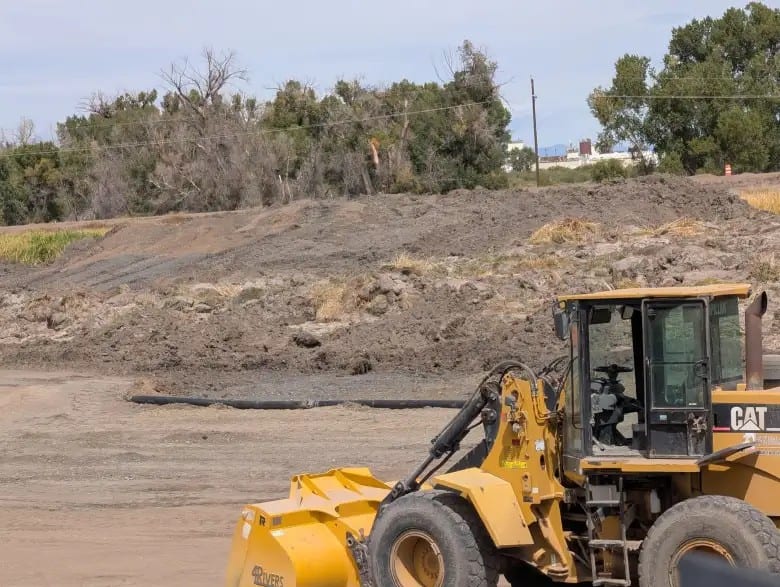
Monte Vista’s long-anticipated wastewater treatment facility is finally under construction, signaling a transformative step for the community’s infrastructure.
For years, the project remained mostly on paper, with residents waiting as plans, engineering studies, and funding applications stacked up.
Now, crews have begun groundwork and excavations, aiming to finish major concrete work before the holidays.
This $41.4 million investment, backed by USDA Rural Development grants and loans, will help Monte Vista meet strict new discharge regulations and replace aging infrastructure at the Henderson plant. The new facility will feature advanced treatment technology, safeguarding local waterways and preparing the city for future growth.
Though the financial impact is significant for such a small city, reliable sewer and water systems are essential for residents’ health and economic stability.
After years of anticipation, Monte Vista’s vision for a modern wastewater plant is becoming reality—construction is officially underway. Read More... |
If you’re passionate about supporting local farmers and enjoying the freshest, homemade goods, you’ll love Cactus Hill Farm’s Tiendita. Nestled in downtown Antonito, this charming shop brings together a delightful selection of locally raised meats, fresh farm products, specialty foods, and wool creations in one friendly space. Stop in to discover everything from tender lamb and beef to artisan soaps, hot sauces, and farm-roasted coffee—there’s always something new to try. Tiendita is a treasure trove for foodies and craft lovers alike, with all the warmth and welcome of a true community hub. |
|
|
💡 Tip of The Day
Don't Bag Those Fall Leaves
Instead of throwing fallen leaves away, run your lawn mower over them and leave a thin layer on the lawn.
Shredded leaves break down over winter, returning nutrients to the soil and providing organic matter. Have more leaves than your lawn can handle? Add them to the compost pile or use them as mulch around garden beds.
A little fall cleanup can become free fertilizer for next spring. |
 |
Meet PeanutFriendly, handsome and ready for a new home, Peanut is this week's featured pet from the Conour Animal Shelter in Monte Vista. Meet Peanut, a friendly Border Collie mix who is waiting for someone to give him a place to call home. Peanut is a medium-sized adult male with a handsome black-and-white coat. His estimated birth date is August 30, 2019, making him about seven years old. One of the nicest things in Peanut's shelter profile is his reaction to meeting new people: friendly. For someone who would rather adopt an adult dog than take on the puppy stage, Peanut might be just the companion they've been looking for. Of course, a photograph and a few words can only tell you so much about a dog. The best way to find out whether Peanut is the right fit for your family is to stop by the shelter and spend some time getting to know him. Interested in Peanut?Visit the Conour Animal Shelter – Upper Rio Grande Animal Society at: 2825 Sherman Avenue Could Peanut be your new best friend? Stop by and meet him. |
 |
 |
 |
Smoked Cast-Iron Mac & CheeseCreamy, cheesy and finished in the smoker, this easy cast-iron mac and cheese brings a little wood-fired flavor to a classic comfort food. There are plenty of ways to make macaroni and cheese, but putting it in a cast-iron skillet and giving it some time in the smoker adds another layer of flavor to an old favorite.
This week's Around the Table recipe is a smaller batch made in a 10-inch cast-iron skillet—enough for a family side dish without leaving you with mac and cheese for the rest of the week. The creamy cheese sauce is topped with buttery breadcrumbs and more cheese before the whole skillet goes into the smoker. The result is creamy underneath with a lightly browned, smoky topping. Smoked Cast-Iron Mac & CheeseMakes approximately 4–6 side-dish servings Ingredients• 8 ounces elbow macaroni For the topping: Directions1. Heat the smoker. 2. Cook the macaroni. 3. Make the cheese sauce. Slowly whisk in the milk and cook until the mixture begins to thicken. Reduce the heat and stir in the crema. Add 1 1/2 cups of the Fiesta blend cheese a little at a time, stirring until melted and smooth. Stir in the garlic powder, onion powder and smoked paprika. Taste and season with salt and pepper as needed. 4. Fill the skillet. 5. Add the topping. 6. Smoke. 7. Rest and serve. Give It a San Luis Valley TwistWant to add a little Colorado flavor? Stir 1/2 to 1 cup of roasted, peeled and chopped green chile into the macaroni before it goes into the skillet. Mild green chile adds plenty of roasted flavor without making the dish particularly hot, while medium or hot chile can give it considerably more kick. You could also add crumbled bacon, diced smoked sausage or pulled pork to turn this side dish into something hearty enough to serve as a meal. However you make it, serve it right from the cast-iron skillet and don't expect many leftovers. |
 |
📣 Community Tip LineSee something happening around the San Luis Valley? Let us know! The San Luis Valley Beat depends on readers throughout our six counties to help us keep an eye on what is happening. Send us your tips about new businesses, construction and development, community projects, local accomplishments, interesting people, changes around town, historical stories, photos, or anything else you think deserves a closer look. You do not have to write the story — just point us in the right direction. 📧 editor@thesanluisvalleybeat.com Six counties. One Valley. Your stories help us cover it. |
TRIVIA ANSWER !
Guadalupe County
When Colorado Territory's original counties were established in 1861, what is now Conejos County was initially named Guadalupe County. The name was changed shortly afterward to Conejos — Spanish for “rabbits.”
|