
Frank V Flohr
May 26, 2026
Trivia Question❓What famous folk artist and master weaver was from Capulin?? Answer at the bottom of the newsletter |

Small Business Spotlight |
The Farmstand SLV |
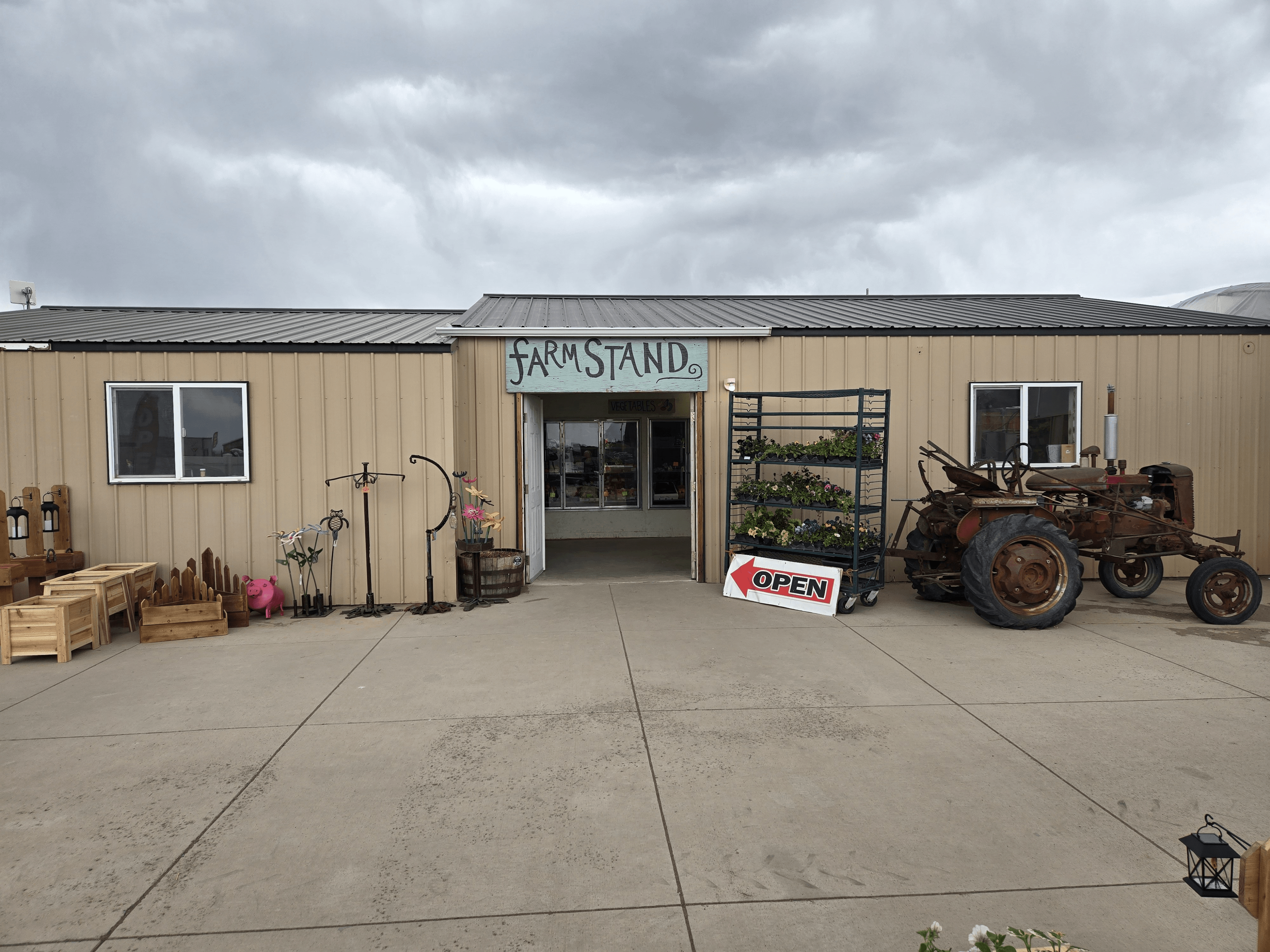
What started as a local greenhouse and farm market south of Monte Vista continues to grow into one of the San Luis Valley’s most unique community gathering spots.
Located at the former Catlins Greenhouse property, The Farmstand SLV has become well known for fresh produce, greenhouse plants, flowers, baked goods, and locally sourced products. But recently, they’ve begun expanding into something even more — serving lunch on Fridays and Saturdays from 10 AM to 3 PM.
Their social media posts show the business continuing to evolve, even recently posting that “we need a real chef to help keep the kitchen running,” a sign that community support for the new lunch offerings has been strong.
Part of what makes The Farmstand stand out is the atmosphere itself. It feels less like a commercial store and more like a true Valley gathering place — a blend of greenhouse, local market, café, and community hub all rolled into one.
In an agricultural region like the San Luis Valley, businesses that connect people with local food, local growers, and local community still matter — and The Farmstand SLV is becoming one of those places people increasingly stop by not just to shop, but to spend time.
📍 1514 S County Road 4 E, Monte Vista, Colorado |
|
 |
Preserving the stories of places time forgot. |
 |
Bachelor City
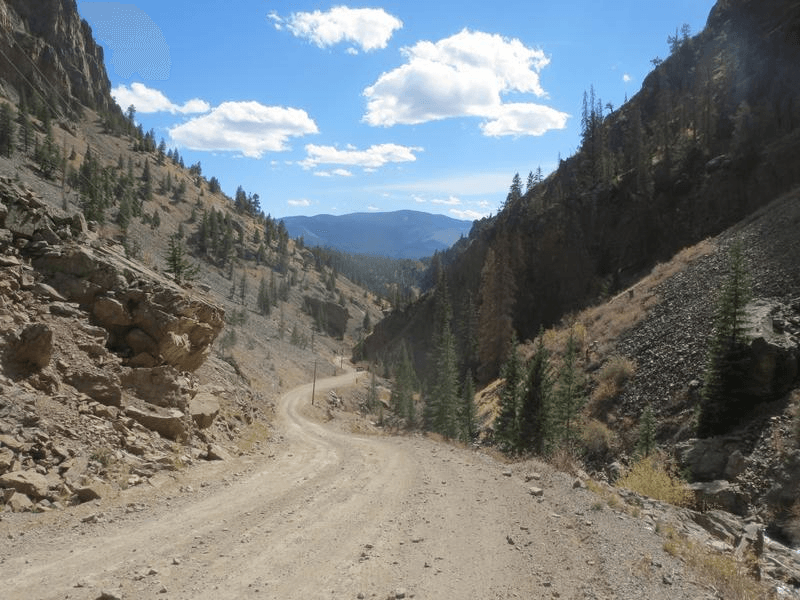
High above Creede in the rugged San Juan Mountains, the remains of Bachelor City still cling to the hillside—a reminder of one of Colorado’s last great silver boom eras. Today, only scattered ruins and weathered foundations remain along the Bachelor Loop north of Creede. But in the early 1890s, Bachelor City was one of the busiest mining camps in the upper Rio Grande region. A Mining Camp Born Almost Overnight
Bachelor City developed in 1891 and 1892 as silver discoveries on Bachelor Mountain drew miners, investors, merchants, gamblers, and fortune seekers into the area. Located only a few miles above Creede, the camp grew rapidly as nearby mines such as the Bachelor, Last Chance, and Amethyst employed hundreds of men.
By the spring of 1892, Bachelor City already had stores, saloons, boarding houses, assay offices, restaurants, and its own newspaper. More than 100 buildings had appeared in only a matter of months, and the town’s population quickly climbed to around 1,200 people at its peak. The Town Called “Teller”
Interestingly, the settlement was officially known as “Teller” for postal purposes because another Bachelor City already existed in California. Despite the official designation, locals continued calling the mining camp Bachelor City. A post office was established there in 1892, along with a school and a miners’ union. Boomtown Life in the High Country
Like many mining towns of the era, Bachelor City developed a rough-and-rowdy reputation during its early years. Saloons, gambling halls, and dance houses operated alongside the mines, and newspapers of the time recorded shootings, drunken brawls, and the chaotic atmosphere common to silver boom camps. But beneath the rough exterior was also a working community filled with miners and families trying to build a future in the mountains above Creede. The Decline of Bachelor City
The boom did not last long. After the Silver Panic of 1893 and the gradual decline of the district’s mines, Bachelor City began losing population. By 1900, only a fraction of its former residents remained. As ore production declined and mining operations shut down, the camp slowly emptied. Unlike Creede, which survived the collapse of the silver boom, Bachelor City faded into history. What Remains Today
Today, Bachelor City is one of several ghost town sites featured along the scenic Bachelor Loop near Creede. Visitors can still see mine structures, foundations, collapsed cabins, and remnants of the once-busy mining district tucked into the mountains above Willow Creek Canyon.
Though the people are long gone, the scars of the mining era still remain on the landscape—silent reminders of the years when silver transformed the mountains above the San Luis Valley. “Some places rise quickly on hope and ambition. And when the boom fades, only the mountains remain to remember them.” |
 |
 |
Second Chance RanchThis week’s Community Spotlight highlights Second Chance Ranch in South Fork, an equine rescue and rehabilitation program dedicated to giving horses a second chance through rescue, care, training, and rehoming efforts. Organizations like Second Chance Ranch play an important role in promoting responsible horse ownership while helping neglected, abandoned, or unwanted horses find safe and caring environments. Through rehabilitation and training, rescued horses are given the opportunity to recover and eventually connect with new homes and new beginnings. In a region where horses remain an important part of rural life and western heritage, equine rescue organizations help preserve that connection while providing compassionate care for animals in need. Community-supported rescues often rely on volunteers, donations, and public support to continue their work, making local involvement an important part of helping these programs succeed. |
 |
 |
 |
Capulin — A Quiet Corner of the Southern San Luis Valley
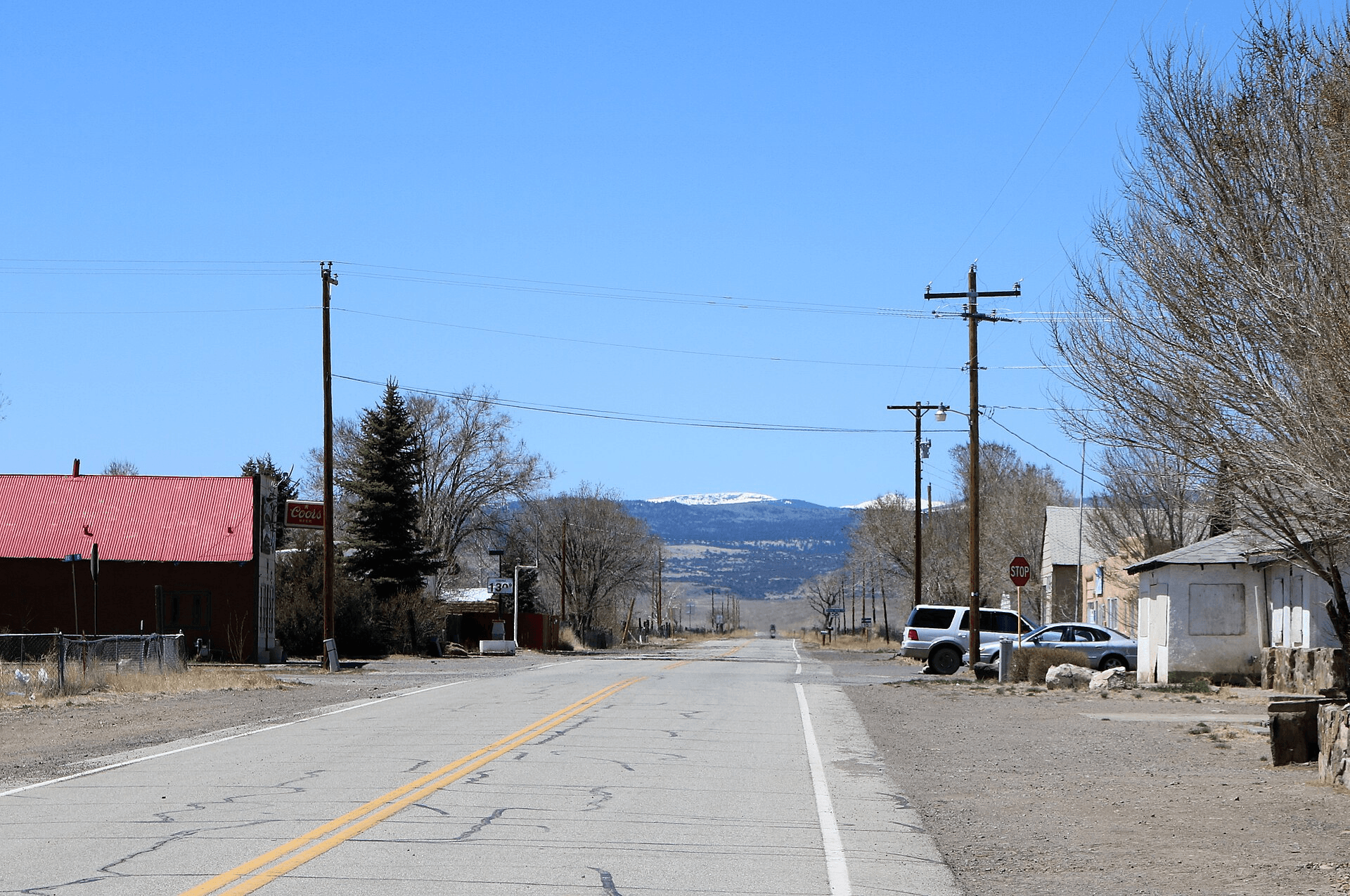
Tucked along Highway 15 in northern Conejos County, Capulin is one of those small San Luis Valley communities that many people have driven through without always stopping to think about the history rooted there. Surrounded by farmland, open sky, and mountain views, Capulin remains a quiet agricultural community with deep family and cultural ties. The community traces its roots back to the 1860s, when Hispano settlers from northern New Mexico moved into the southern San Luis Valley in search of land, water, and opportunity. The name “Capulin” comes from a Spanish word commonly associated with chokecherry, a plant found throughout the region. A post office was established in Capulin in 1881, helping anchor the settlement as it grew. Like many small towns across the Valley, Capulin grew around faith, farming, and family. One of its most recognized landmarks is St. Joseph’s Church and Cemetery, a historic stone church built in the early 1900s by local residents and craftsmen from Colorado and New Mexico. The church still stands as a reminder of the strong Hispano heritage that continues to shape Conejos County and the southern San Luis Valley. Agriculture continues to define the area around Capulin. Fields, pastures, irrigation ditches, and long family histories all tell the story of a community closely tied to the land. The pace is quiet, but the roots run deep. Capulin may be small, but communities like it are part of what gives the San Luis Valley its character. They remind us that the Valley is not only made up of its larger towns and well-known destinations, but also the quieter places where history, heritage, and rural life still remain close to the surface. |
 |
|
Q/A Questions |
Q: What is the main economic activity in the San Luis Valley? A: Agriculture, particularly potato farming. Q: What is the elevation of the San Luis Valley? A: The valley floor ranges from 7,500 to 8,000 feet above sea level. Q: What is a unique geographic feature of the San Luis Valley? A: The valley is ringed by several mountain ranges, including the Sangre de Cristo Mountains and the San Juan Mountains. |
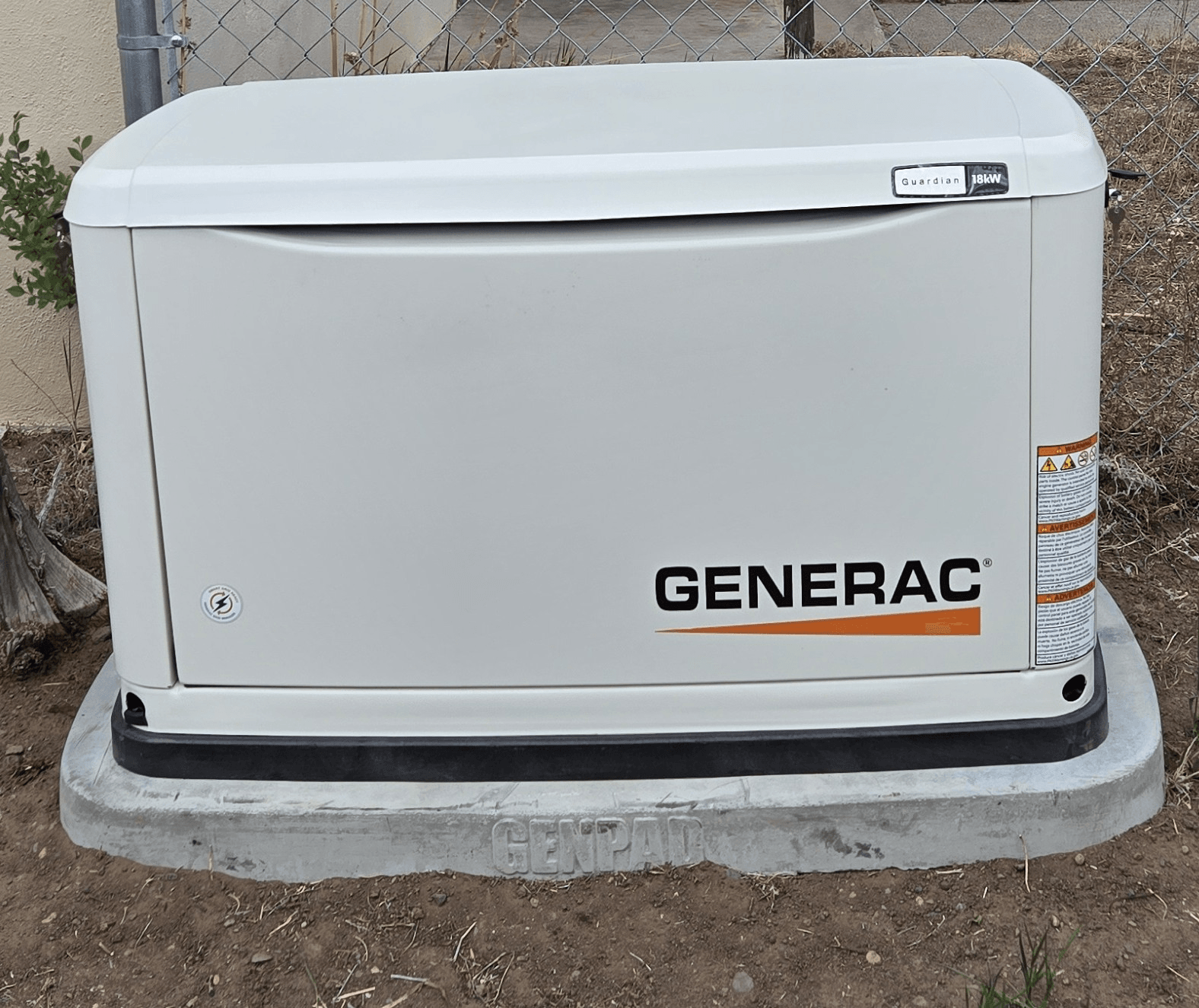
In the San Luis Valley, self-reliance shapes daily life, especially as residents face harsh weather, aging infrastructure, and sudden power outages.
As winter temperatures drop, more homeowners are turning to whole-house emergency generators for dependable backup power.
Installed outside the home, modern standby systems automatically restore electricity within seconds, a critical safeguard for families relying on medical equipment or running agricultural operations.
Losing power here means risking heat, water from private wells, food spoilage, blocked communication, and compromised livestock care.
For those with oxygen equipment or other crucial medical devices, even brief outages can pose immediate health risks.
Generator options vary: propane-powered units are common in remote areas, while homes in towns like Alamosa and Monte Vista often use natural gas for seamless, automatic operation.
With weather extremes and rural distances, reliable backup power is becoming a necessity—not a luxury—for San Luis Valley households. Read More... |
Tip of The Day |
Remember to always carry water and sunscreen when exploring the San Luis Valley to stay hydrated and protect your skin from the high altitude sun. |
Small Business Spotlight |
Thai Bangkok |

If you’re looking for something different in Monte Vista, Thai Bangkok is quickly becoming one of the Valley’s standout dining spots.
Located on Adams Street in downtown Monte Vista, Thai Bangkok brings a welcome mix of Thai flavors, fresh ingredients, and even sushi to the local dining scene. From classic Pad Thai and rich curries to fresh spring rolls and specialty sushi rolls, the menu offers something a little outside the usual small-town lineup.
What really stands out is the cozy atmosphere, friendly service, and a menu that feels both approachable and adventurous. Whether you’re craving curry, noodles, sushi, or just looking to try someplace new, Thai Bangkok gives Monte Vista and the greater San Luis Valley another local place worth supporting.
Thai Bangkok |
|
 |
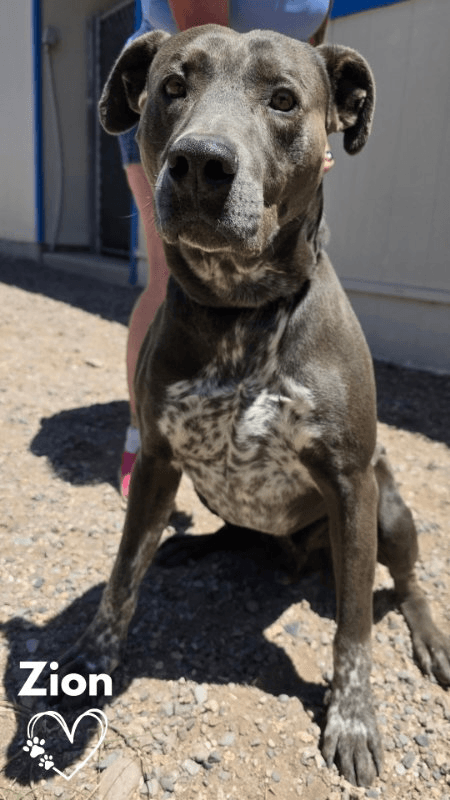 |
— Meet Zion
Zion is a large adult male Pit Bull Terrier mix with a friendly personality and a calm, easygoing nature. With his distinctive speckled markings on his chest and paws, Zion has a unique look that matches his warm and approachable demeanor.
He’s described as good with cats, dogs, kids, and adults, making him a strong candidate for many different types of homes. Zion is also house trained, up-to-date on vaccinations, and already has basic training, giving him a great foundation for his next chapter.
With a slightly active energy level, Zion enjoys a balanced lifestyle with both activity and downtime. He would do best in a home with a secure yard and a 6-foot fence where he can feel comfortable and safe while enjoying both indoor and outdoor time.
If you’re looking for a loyal companion with a friendly personality and a solid foundation, Zion may be the perfect addition to your family. 📍 Adoption InformationUpper Rio Grande Animal Society 👉 Contact the shelter directly to learn more about Zion or schedule a meet-and-greet. Quick Facts
Not ready to adopt? Sharing Zion’s story could help him find the perfect home. |
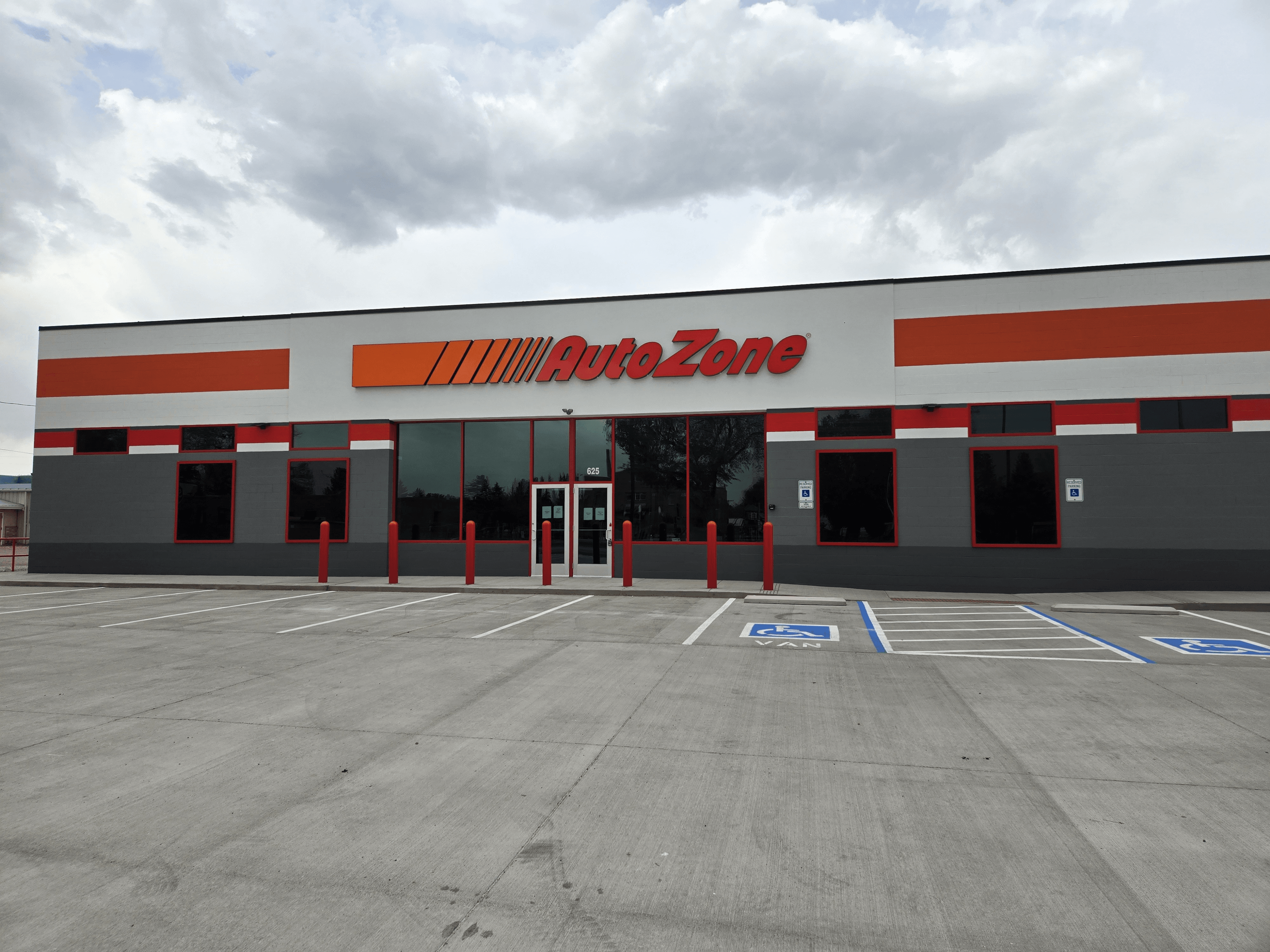
The arrival of a new AutoZone store in Monte Vista is nearing reality, with the building’s exterior fully finished and the location’s bright orange signage now turning heads along the city’s busy commercial corridor.
From the outside, the store looks nearly ready. However, peering in reveals ongoing interior work, with shelves and inventory still being set up.
According to company representatives, the grand opening is anticipated within two to three weeks, though an official date remains unannounced.
Soon, Monte Vista residents—from ranchers and farmers to do-it-yourself mechanics—will have quicker access to car parts, batteries, tools, and helpful services such as battery testing and diagnostic code scanning.
This new retail addition signals ongoing growth and economic vitality for the Valley, promising more convenience and choices for the local community. Read More... |
Interesting Facts:
The name “Capulin” comes from a regional Spanish word for chokecherry, a fruit-bearing shrub common throughout the Southwest and the San Luis Valley.
The historic St. Joseph’s Church in Capulin was built using locally hauled sandstone and remains one of the community’s best-known landmarks today.
The community is part of the deeply rooted Hispano culture of the southern San Luis Valley, where many local families trace their roots back centuries to northern New Mexico and early Spanish settlements.
|
 |
 |
Hatch Chile Bacon Cheddar Muffins
Inspired by the savory cheddar breads from a local Amish bakery, these jumbo muffins bring together crispy bacon, Hatch green chili, and melted cheese in a hearty bakery-style muffin with a San Luis Valley twist. Ingredients
DirectionsPreheat oven to 425 degrees. Line a jumbo muffin pan with bakery-style liners.
In a large bowl, whisk together flour, baking powder, baking soda, salt, sugar, garlic powder, and black pepper. In a separate bowl, mix together melted butter, vegetable oil, eggs, sour cream, and buttermilk until combined.
Add the wet ingredients to the dry ingredients and stir gently just until combined. Do not overmix.
Fold in the chopped bacon, drained Hatch green chili, and shredded cheese. Reserve a small amount of bacon and cheese for the tops if desired.
Fill jumbo muffin liners generously with approximately 225 grams of batter per muffin. Sprinkle reserved bacon and cheese over the tops.
Bake at 425 degrees for 5 minutes. Without opening the oven, reduce the temperature to 350 degrees and bake for an additional 28 to 30 minutes, or until the tops are golden and the centers are fully set. Stick a toothpick in the center of a muffin to test for doneness. If the toothpick comes out clean the muffins are done.
Let muffins cool for 10 minutes in pan before serving. These are hearty enough for breakfast and also pair well with soup, chili, or a hot cup of coffee.
|
COMMUNITY TIP LINE |
 |
The San Luis Valley Beat is growing, and we’d love your help in making it a true reflection of our community. If you have something happening in your town or organization, you can now submit it to be featured in an upcoming issue. We’re currently accepting:
Event listings are always free, and we review submissions regularly for upcoming newsletters. Have something to share? editor @ thesanlouisvalleybeat dot com |
💡 Answer to Trivia Question: Eppie Archuleta, recipient of the National Heritage Fellowship |