Frank V Flohr
Sep 15, 2026
ISSUE #33 · TUESDAY, September 15, 2026
This Week in The San Luis Valley BeatThere's plenty happening around the Valley this week. We celebrate a first-place bowl of chili, take a look at the potato harvest now underway, and check in on new apartments taking shape in Monte Vista. We'll also ride into the history of Antonito, rediscover the lost community of Alder, spotlight local businesses and organizations, look ahead to events around the Valley, meet an adoptable pup named Gnocchi — and, as always, share a little more of the people, places and stories that make the San Luis Valley home.
|
🎁 Subscriber Bonus: Your Free San Luis Valley Restaurant Guide
As a thank-you for being a subscriber to **The San Luis Valley Beat**, we've created a **free San Luis Valley Restaurant Guide** featuring local restaurants from communities across the Valley.
Whether you're searching for your next breakfast stop, a family dinner, a quick lunch, or a place you've never tried before, this guide makes it easy to discover great local dining options.
This is just the beginning. We'll continue updating the guide as new restaurants are added and information changes, so you'll always have access to the latest edition.
Thank you for supporting local businesses and The San Luis Valley Beat! |

A Monte Vista resident and editor of The San Luis Valley Beat traded pen for ladle at the SLV Battle of the Bowls chili cook-off, entering a batch dubbed Ranch Hand’s Red on September 12.
Far from the newsroom, expectations were modest, but the result surprised everyone: a first-place win and a $500 prize for a unique chili made with locally raised San Luis Valley yak.
The cook-off doubled as a fundraiser, benefiting the Care Camps Foundation, which provides camp experiences for children with cancer and their families.
The winning recipe, adapted from Jeffrey Eisner’s Blue Ribbon Chili, simply replaced ground beef with yak and kidney beans with pinto beans for a personal Valley twist.
After the win, the $500 prize was donated back to Care Camps, making a flavorful victory even more meaningful for the cause. Read More... |
 |
Small Business Spotlight |
Snake Man Reptiles and Arachnids |
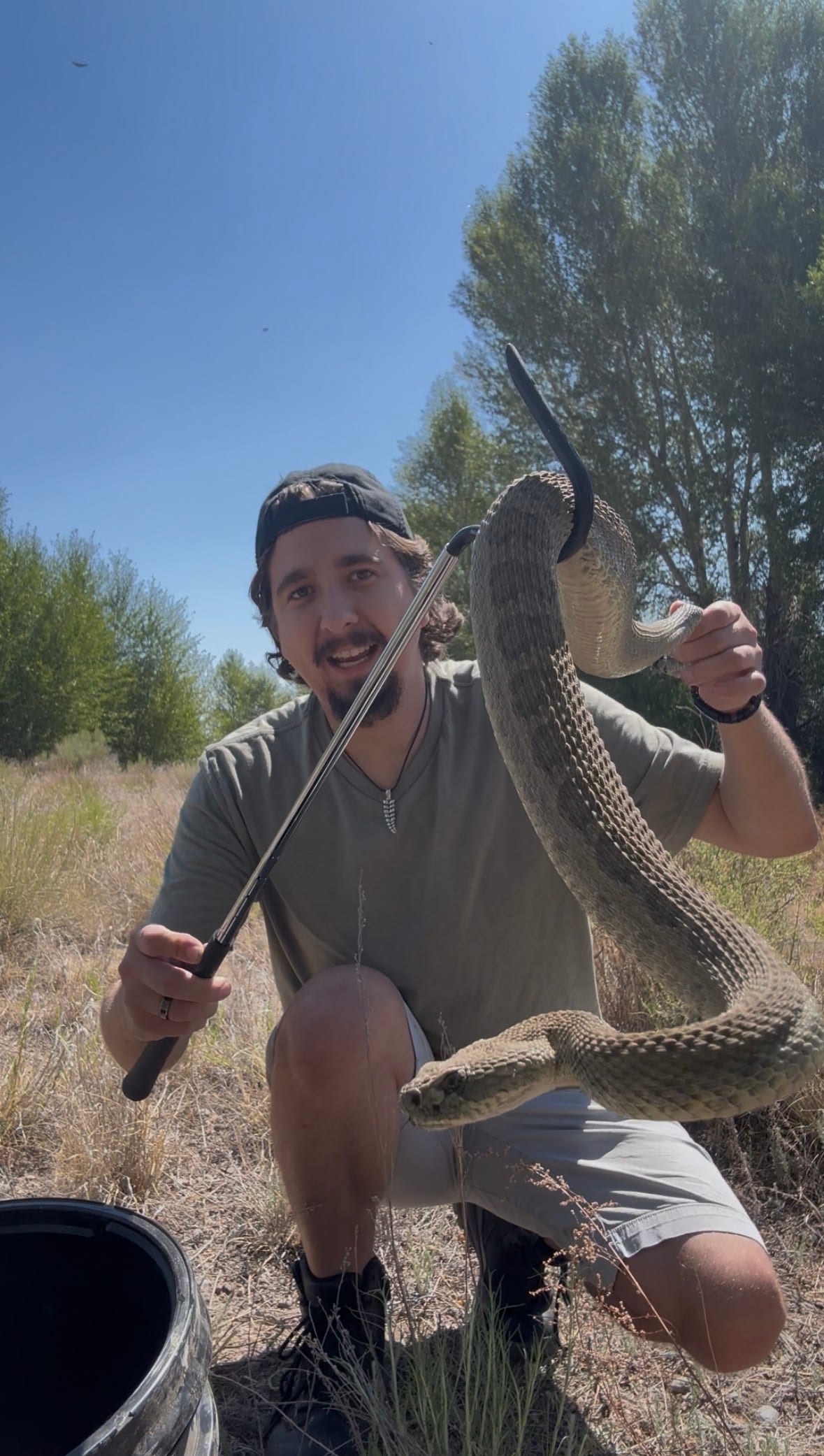
Snake Man Reptiles and ArachnidsReplacing Fear With Knowledge in the San Luis Valley When Jared Johnson, better known as Snake Man,” brings his interactive reptile and arachnid presentations to schools, libraries and community events throughout the San Luis Valley, he’s doing more than showing off fascinating creatures. He’s on a mission to transform how people view some of nature’s most misunderstood animals. Based in Alamosa and serving communities across the Valley, Snake Man Reptiles and Arachnids offers hands-on educational shows that blend entertainment with genuine conservation education. Johnson’s work also extends beyond presentations. He creates educational content for YouTube, Facebook and other social media platforms, and provides free rattlesnake relocation services for Valley residents who find an unwelcome serpentine visitor on their property. From Fear to Fascination“I get a lot of comments, or sometimes I’ll even get stopped when I’m out in town,” Johnson explains. People tell him how they “used to be scared of snakes or they used to not like them. They used to, you know, just think that the only good snake is a dead snake.” But through his videos and educational work, Johnson has watched some of those attitudes begin to change. “They’re not as afraid and they started to change their view of these misunderstood animals. And it’s really awesome to see.” Johnson’s presentations follow a carefully designed progression. He begins by introducing the animals he has brought and sharing facts about each species. That educational foundation gives audience members a chance to understand the animals before getting close to them. Then comes the part many people remember most: audience members have an opportunity to come forward and hold or pet some of the animals. “Because it’s at the end, I think people are more comfortable with it,” Johnson says. “After I tell people about snakes and reptiles and stuff, even ones that are afraid will usually come up at the end and even want to hold and pet them once they learn that they’re not scary and they’re not to be feared.” Inspired by the Crocodile HunterJohnson’s passion for animals reaches back to childhood and one particularly memorable influence. “I grew up watching Steve Irwin, the Crocodile Hunter, and he very heavily inspired me and taught me this love and inspired me to really love and care for animals,” he recalls. His mother also played an important role, making sure the family had different animals around that they could care for and enjoy. That foundation continues to influence how Johnson approaches his animals today. Their welfare comes first, including during public presentations. “I just know my animals, so I can really tell their disposition, their behavior, and if they’re acting too stressed or whatever, we’ll just give them a break, or they won’t come to the show,” he explains. Looking AheadJohnson is now working toward an ambitious goal: creating a one-of-a-kind facility focused on venom education. “I want to have a nice facility where I can have school groups and the public can just come in and get to see these beautiful animals,” he says. In the meantime, he plans to continue taking his educational presentations throughout the San Luis Valley. His larger message is simple: snakes and other often-feared animals have an important place in the natural world. “Snakes deserve to be loved, and they deserve respect, not fear. We need snakes more than people think.” Johnson points to snakes’ role in controlling rodent populations as well as the contribution venomous animals can make to medical research and the development of life-saving medicines. Bringing Reptile Education to the ValleySnake Man Reptiles and Arachnids is available for educational programs, community events, birthday parties and other appearances throughout the San Luis Valley. |
Johnson also provides free rattlesnake relocation for Valley residents who discover a rattlesnake where it shouldn’t be. For Johnson, every presentation, video and relocation comes back to the same idea: replacing fear with understanding — and helping people see these often-misunderstood animals a little differently. Learn More Follow Snake Man Reptiles and Arachnids on Instagram, TikTok and YouTube, or call 615-681-8507 for information about programs, appearances and rattlesnake relocation. |
 |
 |
Preserving the stories of places time forgot. |
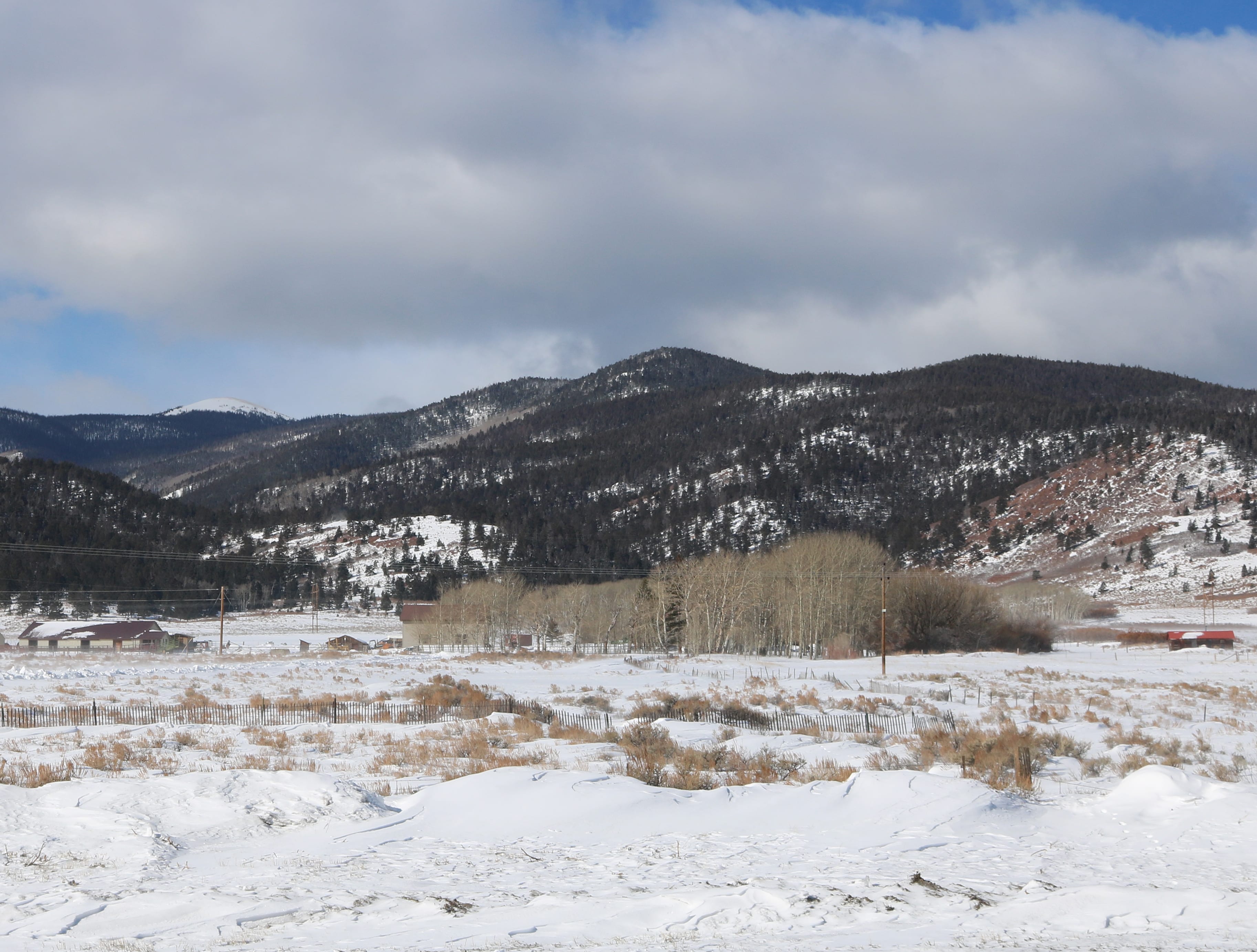
Alder — The Little Town That Helped Build the RailroadNot every forgotten town in the San Luis Valley was built around a spectacular gold or silver strike. Some existed because the booming towns needed lumber, supplies, transportation and people willing to do the work that kept everything moving. Alder was one of those places. Once located in northern Saguache County near Poncha Pass, Alder was a small lumber and mining community along one of the most important transportation routes into the San Luis Valley. Today, little remains. But for a time, this nearly forgotten settlement helped provide something essential to the railroad that connected the Valley with the rest of Colorado: lumber. Alder — or Round Hill?Alder can be a little confusing when it appears in old records because the community was known by two names. The post office was Alder, while the Denver & Rio Grande railroad station was known as Round Hill. An early U.S. Geological Survey gazetteer described Alder as a post village in Saguache County on the Denver & Rio Grande Railroad at an elevation of 8,677 feet, specifically noting that its railroad name was Round Hill. Even today, historical references frequently identify the vanished community as Alder, also known as Round Hill. The name Alder apparently came from nearby Alder Creek. The Railroad ArrivesThe early 1880s were a remarkable period for this corner of Colorado. Mining activity was increasing around Bonanza and throughout the northern San Luis Valley, while the Denver & Rio Grande was pushing its narrow-gauge railroad across difficult mountain country. Alder's post office was established on August 29, 1881, placing the community's beginnings squarely in that period of rapid railroad and mining development. Its location gave Alder an advantage many small mountain settlements didn't have: direct access to the Denver & Rio Grande. But Alder wouldn't become famous because of a rich mine. Mining took place in the area, but historical accounts indicate that it never amounted to much. Instead, Alder found its purpose in the surrounding forests. The Lumber CampBuilding a railroad through Colorado's mountains required enormous amounts of timber. Wood was needed for bridges, trestles, buildings, mine supports and countless other uses. Alder became an important source. Historical accounts credit the lumber operations at Alder with supplying much of the timber used to construct railroad bridges on the route between Salida and Alamosa. The community also supplied lumber to Bonanza and other nearby mining camps. That makes Alder's story somewhat different from many of the places we've visited in our Lost Places series. Bonanza existed largely because miners were searching for valuable minerals beneath the mountains. Alder prospered because those mining towns — and the railroad serving them — needed what was growing on the mountains. Life Along the TracksAlder's location near Poncha Pass put it along an important gateway into the San Luis Valley. Old accounts describe travelers being able to find food and lodging in the area, while horses and mules could be shod before continuing their journeys. The railroad added another layer of activity. Round Hill became a place associated with the difficult climb over Poncha Pass. Extra locomotives, commonly called helper engines, could be used to assist heavy trains negotiating the grade. For a small settlement, the passing trains must have been a constant presence. Steam locomotives brought people, supplies and mail while carrying lumber and other freight away. In many ways, the railroad that Alder helped build also became the community's connection to the outside world. A Surprisingly Long LifeSmall railroad and lumber camps often disappeared almost as quickly as they appeared. Alder lasted longer. Its post office, first established in 1881, remained in operation — with a brief interruption — until November 30, 1927. That's roughly 46 years between the opening of the first post office and its final closure. By then, the world around Alder had changed considerably. Mining booms had come and gone. Transportation was changing. Automobiles and improved roads were beginning to reduce the isolation that had once made railroad stops so important. And the timber operations that had given Alder much of its reason for existing were no longer enough to sustain a community. Eventually, Alder faded away. What RemainsToday, Alder is classified as an extinct or ghost town, and very little remains to suggest that a community once stood there. The trains are gone from this route as well. But Alder left behind something far larger than the few physical traces that may survive at the old townsite. Some of its lumber helped make possible the railroad route that connected the San Luis Valley to Salida and points beyond. Its timber also helped support nearby mining communities during the years when people poured into the mountains looking for opportunity. Alder wasn't the famous destination. It was one of the places that helped make those destinations possible. Another San Luis Valley Place Fades AwayThat's one of the things that makes exploring the Valley's lost places so fascinating. History tends to remember the boomtowns, successful mines, famous railroads and colorful characters. It's much easier to forget the little communities that supplied them. Alder was one of those communities. For nearly half a century, mail arrived there. Trains passed nearby. Timber was cut. People worked, ate, slept and built lives in a place that has now almost completely disappeared from the landscape. Today, most travelers heading through northern Saguache County would never know it existed. But more than 140 years after Alder appeared near Poncha Pass, its story reminds us that sometimes the places history forgot were the very places that helped build everything around them. Alder may be gone, but for a little town in the mountains, it left behind a surprisingly big story. |

Potato harvest season is underway in the San Luis Valley, marking one of the region’s busiest times of the year. After a challenging 2025—when a nationwide bumper crop sent prices tumbling and led to over 100 million pounds of local potatoes being discarded—growers are cautiously optimistic for 2026. This year’s crop covers approximately 53,000 acres, a slight decrease from past seasons, raising hopes that smaller supply will help balance the market. With most of Colorado’s potatoes grown in the Valley and destined for fresh produce aisles, the harvest creates work for hundreds of families and workers across the region. By early September, trucks were already moving San Luis Valley potatoes to markets across Colorado and beyond. While it’s still unclear if this year will bring better prices, local growers are seizing the annual opportunity that harvest represents—another chance for success and resilience. Read More... |
 |

SLV Habitat for Humanity — Building Homes, Communities and HopeA home is more than four walls and a roof. It is the place where families gather around the dinner table, children do their homework, birthdays are celebrated and memories are made. Having a safe and affordable place to call home can provide a foundation for everything else a family hopes to accomplish. Here in the San Luis Valley, SLV Habitat for Humanity has been helping make that possible by bringing together families, volunteers and community supporters. Building TogetherHabitat for Humanity is probably best known for building houses, but an important part of its approach is found in two words: working together. SLV Habitat works with volunteers and partner families to build simple, decent and affordable homes. Partner families aren't simply handed a free house. Habitat's model is designed around partnership and affordable homeownership, including 0% interest mortgages. That makes each completed home the result of cooperation among many people — from the family who will eventually live there to volunteers and supporters from throughout the community. The Power of VolunteersYou don't necessarily have to be a professional carpenter to help Habitat for Humanity. Volunteer-driven organizations depend on people willing to contribute what they can, whether that means helping with a project, supporting the organization financially or simply spreading the word about its mission. Those individual contributions add up. A few hours of someone's time may seem small, but when those hours are combined with the efforts of other volunteers, they can become part of something that lasts for decades: a family's home. More Than a HouseAffordable housing has an impact that extends beyond the people living beneath one roof. Stable housing can help families establish deeper roots in their communities. Homeowners shop locally, send their children to local schools, participate in their neighborhoods and contribute to the communities where they live. That's why Habitat's mission isn't expressed only in terms of constructing houses. Its goal is to help build homes, communities and hope. In a rural region as large as the San Luis Valley, where communities may be separated by many miles, that idea of neighbors helping neighbors carries particular meaning. A Community EffortOne of the things we appreciate about organizations such as SLV Habitat for Humanity is that their work demonstrates what can happen when people pool their resources. One person may donate money. Another may volunteer time. Someone else may contribute materials, skills or simply help connect Habitat with someone who wants to become involved. No single contribution has to accomplish everything. Together, they can accomplish quite a lot. Learn MoreSLV Habitat for Humanity is located at 507 Main Street in Alamosa. The Habitat store can be reached at (719) 589-8688, while the organization office can be reached at (719) 589-8678. Those interested in learning more about Habitat's work, volunteering or supporting its mission can visit SLV Habitat for Humanity . Every Habitat home begins with a need. What turns that need into a home is something the San Luis Valley understands particularly well: neighbors willing to help neighbors. |
 |
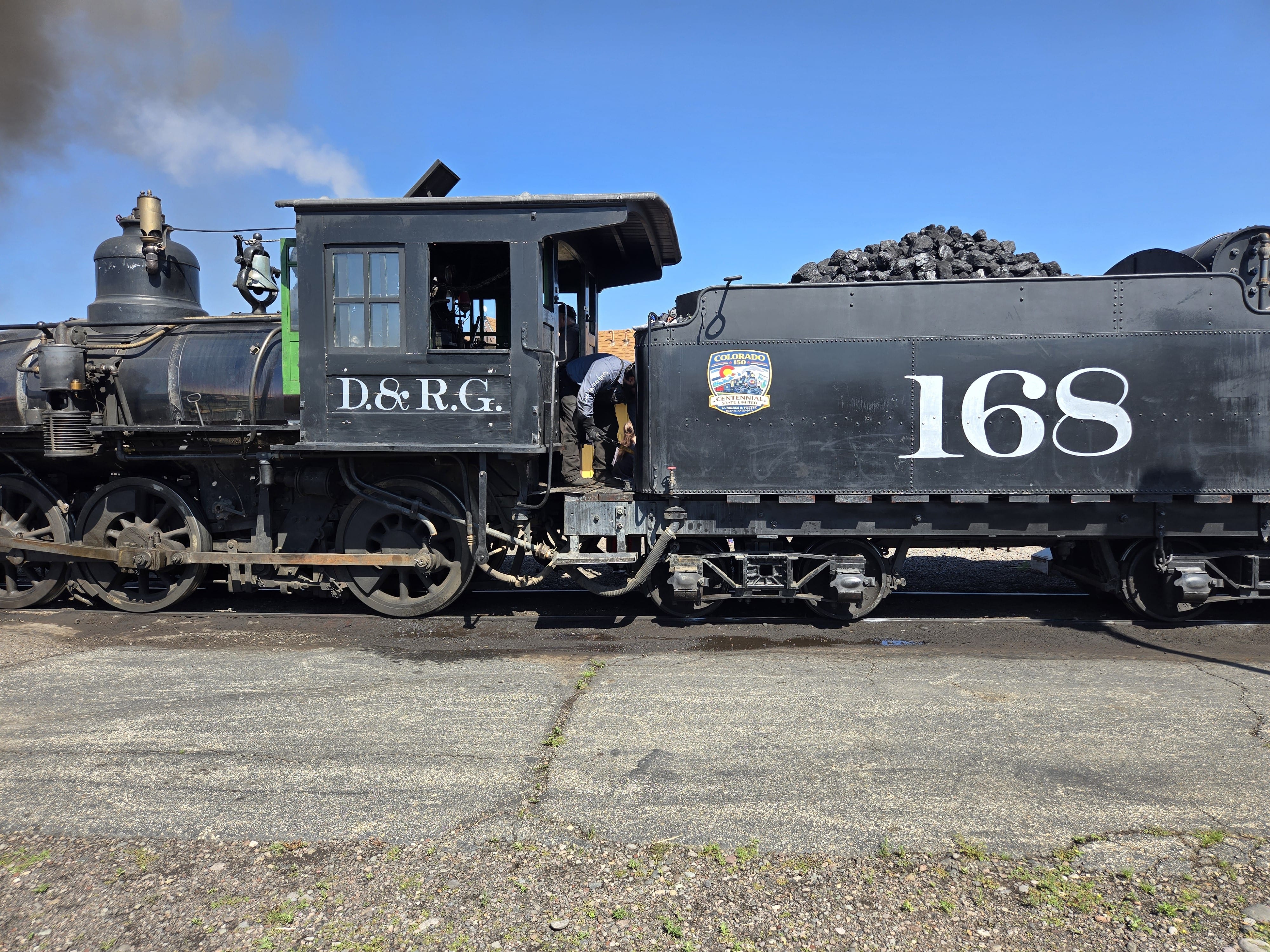
Antonito — Where the San Luis Valley Meets the RailsAt the southern end of the San Luis Valley sits a community whose story is almost impossible to separate from the railroad. Antonito was born because of the railroad, grew because of the railroad, and more than 140 years later, trains are still part of its identity. I've had the opportunity to ride the Cumbres & Toltec Scenic Railroad several times over the years, and there is something special about leaving Antonito behind as the train begins its journey toward the mountains. The whistle sounds, steam drifts past the cars, and before long the wide-open landscape of the southern San Luis Valley begins giving way to a much different country. It isn't simply a scenic train ride. It's an opportunity to experience a surviving piece of the history that helped shape Antonito and this part of the Valley. A Town Created by the RailroadAntonito wasn't a community that happened to get a railroad. The railroad essentially created Antonito. The Denver & Rio Grande began extending its tracks south from Alamosa in 1879. When the railroad did not receive the concessions it wanted in nearby Conejos, the company established its own townsite southeast of the older community. Originally known as San Antonio Junction, the settlement became Antonito — Spanish for “little Anthony.” According to Conejos County's history, the first train arrived in Antonito on the evening of March 27, 1880. A community quickly developed around the tracks. The original Denver & Rio Grande Antonito Depot, dating to 1880, still stands as a reminder of just how closely the town's beginnings were tied to rail transportation. A Junction to the West and SouthAntonito became an important railroad junction. From here, one line headed west across the mountains toward the booming mining country of southwestern Colorado. Another continued south toward Santa Fe. Passengers traveled through Antonito. Freight passed through town. Agricultural products, livestock, supplies and minerals moved along the rails. For isolated communities in southern Colorado and northern New Mexico, the railroad provided something difficult to appreciate in an age of highways and automobiles. It connected them with the outside world. The line toward Santa Fe — eventually known as the Chili Line — disappeared in the 20th century, but the route heading west survived. And that surviving railroad would eventually become something extraordinary. The Railroad That Refused to DisappearThe tracks leaving Antonito for Chama were constructed in 1880 as part of the Denver & Rio Grande's narrow-gauge San Juan Extension. “Narrow gauge” means exactly what it sounds like. The rails are only three feet apart, considerably narrower than the standard gauge used by most American railroads. That smaller size made it possible to negotiate tighter curves and difficult mountain terrain while costing less to construct. The railroad crossed Cumbres Pass and continued toward the mining country of the San Juan Mountains. Eventually, automobiles, trucks and changing economics brought an end to much of the old narrow-gauge system. By the late 1960s, it appeared this portion might disappear as well. Instead, preservationists and local supporters stepped in. In 1970, Colorado and New Mexico jointly purchased the railroad between Antonito and Chama, preserving the most scenic portion of the old line. Tourist trains began running the following year. The Cumbres & Toltec Scenic Railroad was born. 64 Miles Through HistoryToday, the Cumbres & Toltec runs approximately 64 miles between Antonito and Chama, New Mexico. From Antonito, the train begins on the broad, relatively level landscape of the San Luis Valley before gradually climbing into increasingly rugged country. Eventually it reaches Cumbres Pass at 10,015 feet. Along the way are tunnels, trestles, mountain meadows and stretches of railroad that remain remarkably removed from modern development. That's part of what makes riding it so memorable. You aren't simply looking at an old locomotive sitting behind a museum rope. You're riding behind steam power over a railroad built nearly a century and a half ago. The sounds, smells and motion are part of the experience. For anyone who has made the trip more than once — myself included — it's also the kind of journey that doesn't seem quite the same twice. Different weather, changing seasons and different light across the mountains can make every trip feel a little different. Antonito Beyond the RailroadOf course, Antonito is more than its trains. The community reflects the deep Hispanic heritage of southern Conejos County and sits among settlements whose history reaches back even further than the railroad era. There are also reminders that Antonito has always had a personality of its own. Perhaps none is more unusual than Cano's Castle, the towering collection of structures created from beer cans, hubcaps and other scrap metal that has been under construction since the 1980s. Whether someone considers it folk art, architecture or simply something that has to be seen to be believed, it has become one of Antonito's most recognizable landmarks. But throughout town, the railroad remains difficult to escape — and perhaps that's appropriate. Still a Railroad TownMany western towns owe their beginnings to railroads that vanished generations ago. Antonito is different. The railroad that helped create the community in 1880 is still part of life there today. Each season, visitors once again arrive at the Antonito terminal. Steam rises above the locomotives. Passengers climb aboard. A whistle sounds. Then the train heads west toward Cumbres Pass on rails following essentially the same mountain route trains traveled more than 140 years ago. I've taken that journey several times, and I wouldn't hesitate to take it again. There are faster ways to get from one place to another. But that's really the point. In Antonito, the railroad isn't about getting somewhere quickly. It's about remembering how we got here in the first place. |
 |

Susan B. Anthony Returns to Del Norte — Sept. 17History comes alive in Del Norte as the community marks the 149th anniversary of Susan B. Anthony's 1877 visit during her suffrage tour. The evening will include reenactments of speeches from Anthony's tour along with a look at the history of women's rights through the years. Guests are encouraged to wear period dress or suffrage attire, and a hat/costume contest will also be held. Thursday, Sept. 17 The 1874 Distillery will also be open for dinner and drinks. |

Creede Fall Colors Car Show & Airplane Fly-In — Sept. 18–20Classic cars, mountain scenery and the beginning of fall color season come together for one of Creede's signature September weekends. The weekend begins Friday with registration and a picnic BBQ. On Saturday, downtown Creede becomes the centerpiece of the event with the Show & Shine from 9 a.m. to 3 p.m., followed by awards and the Rod Run to North Clear Creek Falls. The celebration wraps up Sunday morning with the Airplane Fly-In Breakfast at Mineral County Airport beginning at 9 a.m. Friday–Sunday, Sept. 18–20 |

Saguache Fall Festival & Quilt Show — Sept. 19Fall arrives in Saguache with a community celebration at Otto Mears Park. The Fall Festival & Quilt Show will feature food vendors, live music, local vendors, a quilt show and a silent auction, offering a relaxed way to spend a Saturday enjoying the season and supporting the community. Saturday, Sept. 19 |
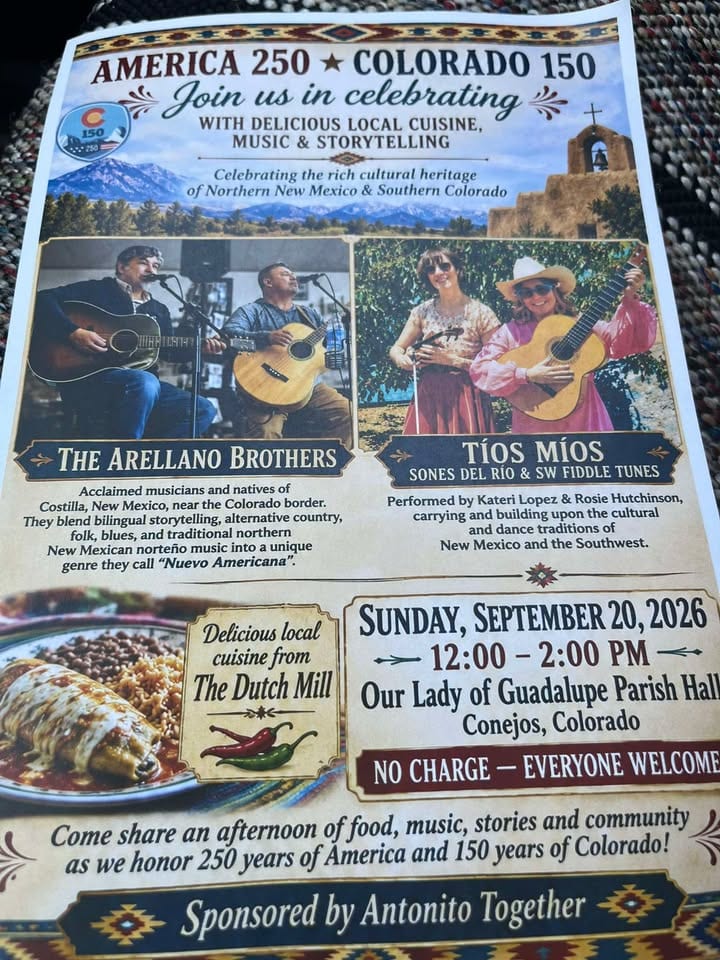
America 250 • Colorado 150 Celebration — Sept. 20Music, storytelling, food and cultural heritage come together in Conejos for a special celebration honoring 250 years of America and 150 years of Colorado. The afternoon will feature The Arellano Brothers, blending bilingual storytelling with alternative country, folk, blues and traditional northern New Mexican norteño music, along with Tíos Míos, performed by Kateri Lopez and Rosie Hutchinson. Local cuisine will be provided by The Dutch Mill. Sunday, Sept. 20 No charge — everyone is welcome. |
More Around the Valley This WeekThere’s even more happening around the San Luis Valley this week. Here are a few additional events to put on your calendar. Colorado Grand Car Show Coffee Hour — SaguacheTuesday, Sept. 15 • 11 a.m.–2 p.m. Around 150 vintage sports cars are expected to visit Saguache as the Colorado Grand makes its way through the area. The public is invited to stop by and see an impressive collection of automobiles. AmeriCorps Seniors National Celebration — AlamosaTuesday, Sept. 15 • 11:30 a.m.–1:30 p.m. A special gathering will recognize senior volunteers and celebrate the contributions they make to communities throughout the area. CMAC Community Jam — CreedeWednesday, Sept. 16 • 6–8 p.m. Musicians of all experience levels are invited to bring an instrument and join the Community Jam. You don’t have to play to participate — listeners are welcome to come enjoy the music too. Big Screen on the Green — AlamosaThursday, Sept. 17 • 7 p.m. Adams State University’s Homecoming activities include an outdoor showing of The Lion King on Richardson Lawn. Hispanic Culture Celebration — Great Sand DunesFriday, Sept. 18 • 1–3:30 p.m. Great Sand Dunes National Park will celebrate Hispanic culture with performances by Mariachi San Luis, Los Vecinos Bailadores and Los Semillas de la Tierra. The program is free; regular park entrance fees apply. Alamosa Farmers MarketSaturday, Sept. 19 Spend part of Saturday shopping for locally grown produce and other goods while supporting area growers, producers and vendors. Spadefoot Story Slam: “Age” — AlamosaSaturday, Sept. 19 The Spadefoot Story Slam returns with local storytellers taking on this month’s theme, “Age.” |
 |
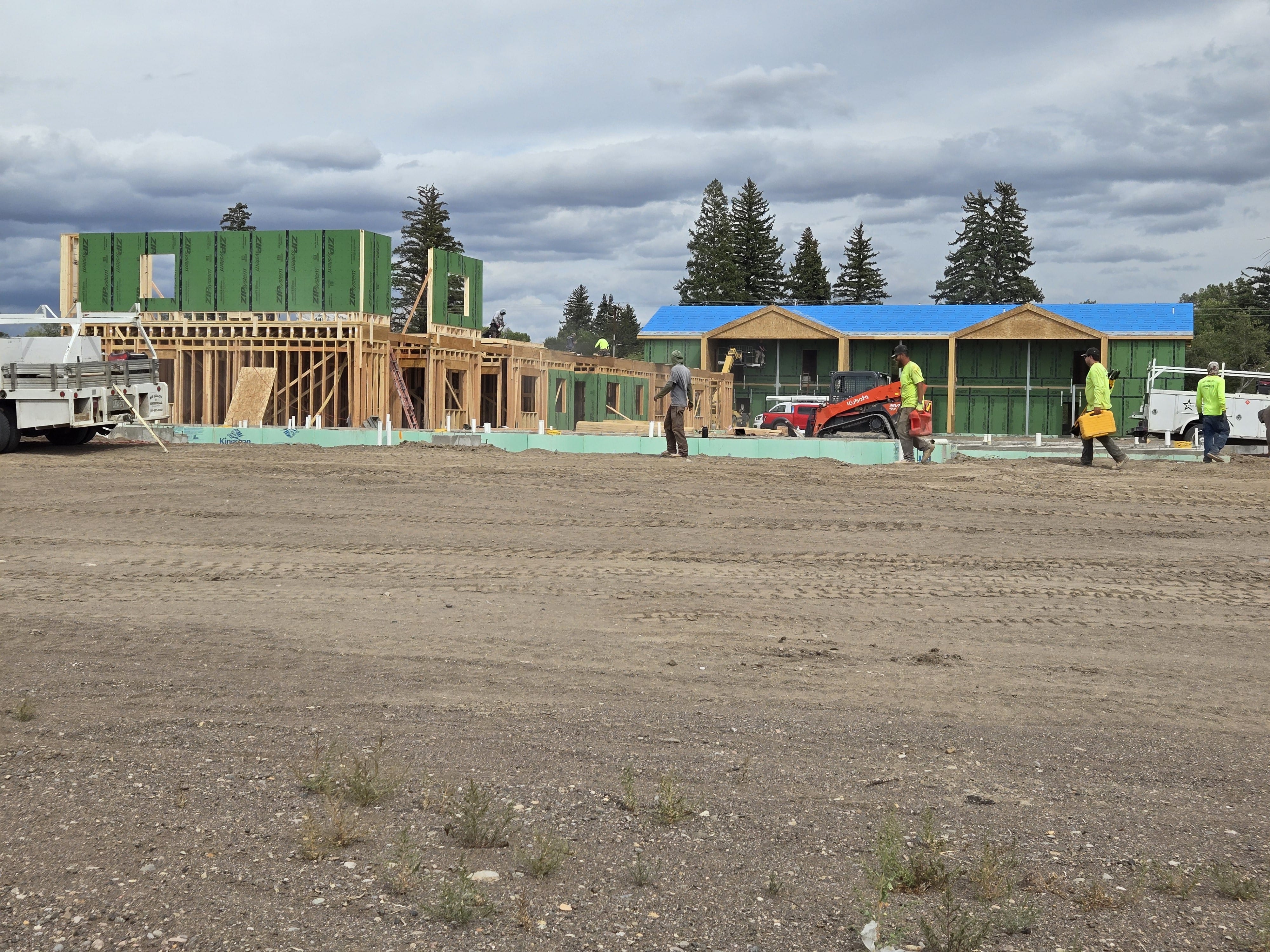
The Alpine Valley Apartments project is quickly transforming the Chico Camino area in Monte Vista.
Developed by JRA Real Estate, construction on Phase One is well underway, introducing 26 rental units and a community center at the southeast corner of Chico Camino and Solar Avenue.
This addition is significant for Monte Vista, where available rental housing has been scarce.
A planned second phase would add 24 more apartments, bringing the total to 50 new homes for local residents.
The project was awarded $3.7 million from Colorado's Proposition 123 to help ensure affordability for households earning between 80% and 120% of the area’s median income.
Visible construction progress is bringing long-awaited growth and fresh opportunity to the community, making Alpine Valley Apartments a key step in local efforts to address housing challenges. Read More... |
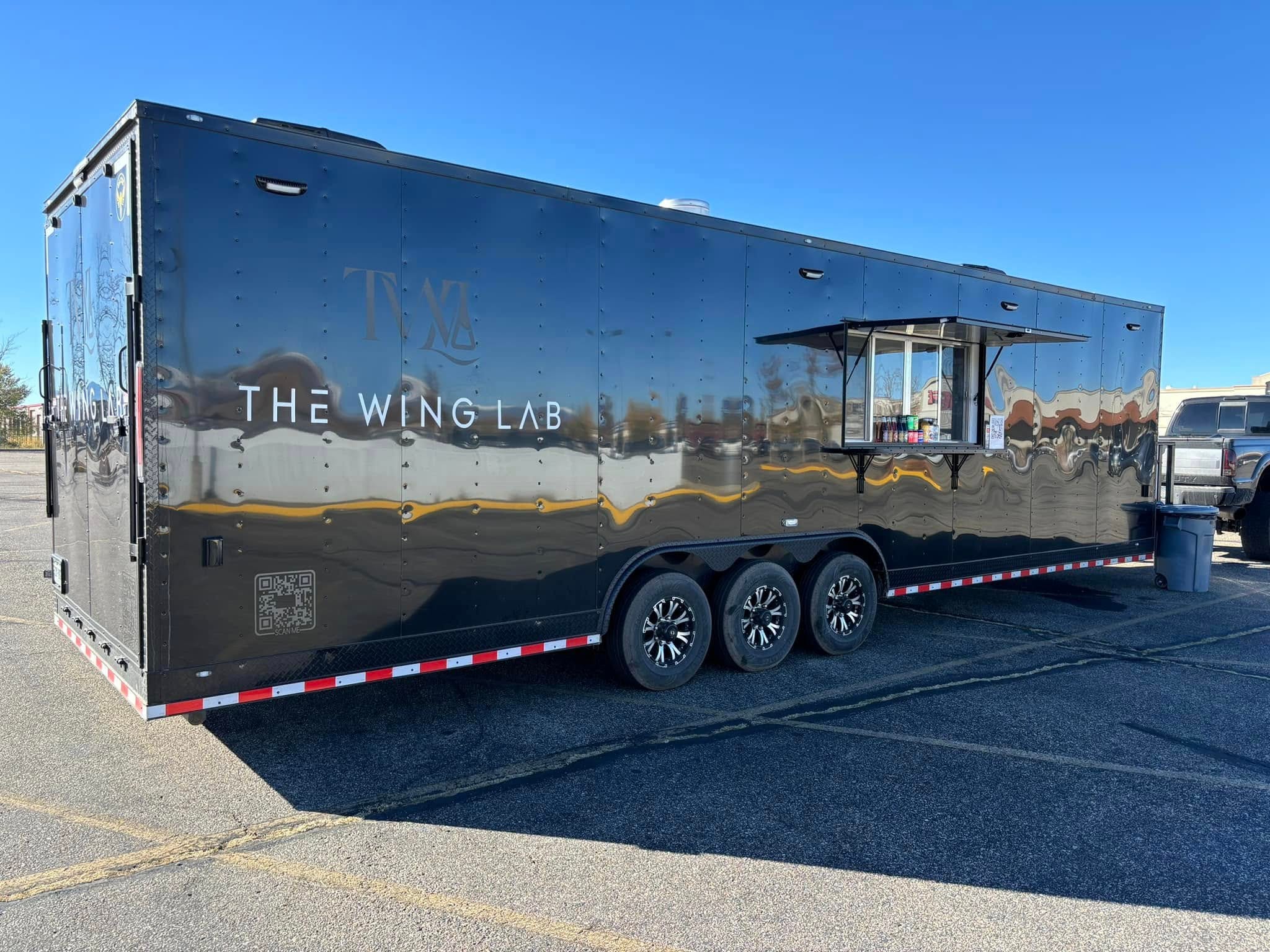
Small Business Spotlight:The Wing Lab — Where Science Meets SauceSometimes a food truck doesn't need a complicated menu or a fancy dining room to get your attention. It just needs to do one thing really well. For The Wing Lab, that thing is wings. I've had the opportunity to try The Wing Lab's wings myself, so this is one local food business I was already familiar with before putting together this week's Business Spotlight. More Than Just Hot WingsThe Wing Lab describes its specialty as chef-influenced gourmet hot wings, taking the familiar chicken wing and experimenting with flavors inspired by different cuisines. That's where the name fits. Their slogan is “Where Science Meets Sauce,” and rather than treating wings as an afterthought, the goal is to make the sauces and flavor combinations the centerpiece of the meal. Among the flavors highlighted by The Wing Lab are Sweet Thai Chili and Hatch green chile, bringing together familiar wing flavors with influences that go well beyond the standard hot-wing menu. For those of us in the San Luis Valley, Hatch green chile certainly feels right at home. Find the TruckPart of the fun of a food truck is that it isn't necessarily in the same place every day. The Wing Lab encourages customers to follow along to find out where they'll be serving next, making them the kind of business you may spot at different locations and events around the area. They also offer catering for private and group events, with customized menus available depending on the occasion. A Small Business Worth Watching ForFood trucks have become an interesting part of the Valley's food scene. They give small businesses a way to bring something different to communities and events without needing a traditional restaurant location. The next time you see The Wing Lab, you might want to stop and see what they're cooking. After all, when science meets sauce, sometimes the best experiment is the one you get to eat. Learn more: The Wing Lab |
💡 Tip of The Day
Don't Forget the Garden HoseAs fall approaches and overnight temperatures begin dropping, disconnect garden hoses from outdoor faucets when you're finished using them. A hose left attached can trap water inside the faucet and plumbing, increasing the chance of freeze damage when temperatures dip below freezing. It's also a good time to drain hoses before storing them for winter and check outdoor faucets for leaks. A few minutes now could prevent an expensive plumbing repair later this fall. |
 |
🐾 Adoptable Pet of the Week: GnocchiMeet Gnocchi, one of the newest little faces waiting for a home at the Conour Animal Shelter in Monte Vista. Gnocchi is listed as a German Shepherd mix, and judging by that little black-and-white face, this pup shouldn't have much trouble attracting attention. Like any young puppy, Gnocchi will need a family ready to provide plenty of patience, training, playtime and love while growing into a great companion. Adopting a puppy is a commitment, but it also gives you the chance to be there for all those important firsts and help shape a young dog's life from the beginning. Interested in meeting Gnocchi? Contact the Conour Animal Shelter Could Gnocchi be the newest member of your family? |
 |
 |
 |
SLV Harvest Scalloped PotatoesWith potato harvest underway across the San Luis Valley, this week's Around the Table puts one of our best-known local crops right where it belongs — on the dinner table. Potatoes have been part of the Valley's agricultural story for generations, and harvest season is a good reminder that sometimes the simplest ingredients make some of the best meals. This week's recipe is an old-fashioned comfort-food favorite with a little extra richness: SLV Harvest Scalloped Potatoes. Thinly sliced potatoes and onions are layered in a creamy homemade sauce and topped with cheddar and Parmesan cheese before being baked until tender, bubbling and golden brown. It's substantial enough to accompany a Sunday dinner but simple enough for an ordinary weeknight. Serve it alongside pork chops, ham, chicken or steak — or add some diced ham to the casserole and turn it into the meal itself. SLV Harvest Scalloped PotatoesServes 6–8 Ingredients
Directions1. Prepare the potatoes. 2. Make the cream sauce. Gradually whisk in the milk and cream. Continue cooking and stirring until the sauce begins to thicken, about 4–5 minutes. Remove from the heat and stir in 1 cup of the cheddar cheese, along with the salt, pepper and thyme. 3. Build the casserole. Repeat with the remaining potatoes, onion and sauce. 4. Add the cheese. 5. Bake. 6. Let it rest. A Few Ways to Make It Your OwnFor a heartier version, add diced ham or cooked bacon between the potato layers. Green chile would also make a distinctly Southwestern variation, while Gruyère, Monterey Jack or pepper jack can replace some of the cheddar. And while Yukon Golds give the dish a naturally buttery flavor and creamy texture, russets work beautifully too. Use whichever good potatoes you have available. High-Altitude Kitchen NoteHere in the San Luis Valley, potatoes may take a little longer to become completely tender. Don't rely entirely on the clock. Before taking the casserole out of the oven, slide a thin knife into the center. It should pass through the potatoes easily with little resistance. If the top is already nicely browned but the potatoes still need more time, loosely cover the dish with foil and continue baking until tender. From the Valley to the TableThere's nothing particularly complicated about scalloped potatoes, and perhaps that's part of their appeal. Potatoes, onion, milk, cream and cheese become something warm and comforting after a little time in the oven. And during harvest season in the San Luis Valley, there's an additional reason to put potatoes on the menu. They're not just something we buy at the grocery store. They're part of the agricultural landscape around us — grown in the fields we pass every day and harvested by people who help keep one of the Valley's longest agricultural traditions going. That's something worth putting Around the Table. |
 |
📣 Community Tip LineSee something happening around the San Luis Valley? Let us know! The San Luis Valley Beat depends on readers throughout our six counties to help us keep an eye on what is happening. Send us your tips about new businesses, construction and development, community projects, local accomplishments, interesting people, changes around town, historical stories, photos, or anything else you think deserves a closer look. You do not have to write the story — just point us in the right direction. 📧 editor@thesanluisvalleybeat.com Six counties. One Valley. Your stories help us cover it. |
🧠 Trivia Answer San Antonio Junction The community that became Antonito began as San Antonio Junction with the arrival of the Denver & Rio Grande Railroad in 1880. The railroad would go on to play a major role in Antonito's development and remains an important part of the community's identity today. |