
Frank V Flohr
Aug 25, 2026
📧 Delivered to more than 1,000 inboxes every Tuesday 📱 Join us on Facebook — 2,800+ followers |
ISSUE #30 · TUESDAY, August 25, 2026
"Bears on the Move, Monte Vista's New Hotel Takes Shape, and a Sheriff's Office in Crisis"Bear safety tips as sightings surge, jobs open at Monte Vista's newest hotel, and Costilla County declares a law enforcement emergency 🐻🏨🚨
|
🎁 Subscriber Bonus: Your Free San Luis Valley Restaurant Guide
As a thank-you for being a subscriber to **The San Luis Valley Beat**, we've created a **free San Luis Valley Restaurant Guide** featuring local restaurants from communities across the Valley.
Whether you're searching for your next breakfast stop, a family dinner, a quick lunch, or a place you've never tried before, this guide makes it easy to discover great local dining options.
This is just the beginning. We'll continue updating the guide as new restaurants are added and information changes, so you'll always have access to the latest edition.
Thank you for supporting local businesses and The San Luis Valley Beat! |
Good Tuesday morning from the San Luis Valley!
This week brings a mix of the practical and the serious.
Bear activity is up across the Valley and a new state law changes what happens if you leave garbage where a bear can get to it.
Monte Vista's new Cobblestone Hotel is hiring ahead of its fall opening.
And in Costilla County, officials have formally declared a law enforcement staffing emergency as the Sheriff's Office continues rebuilding.
We're also taking a history detour to Waverly in Alamosa County, and out to Spar City, a Mineral County ghost town with an unusual second life.
Let's get into it. 🌄 |
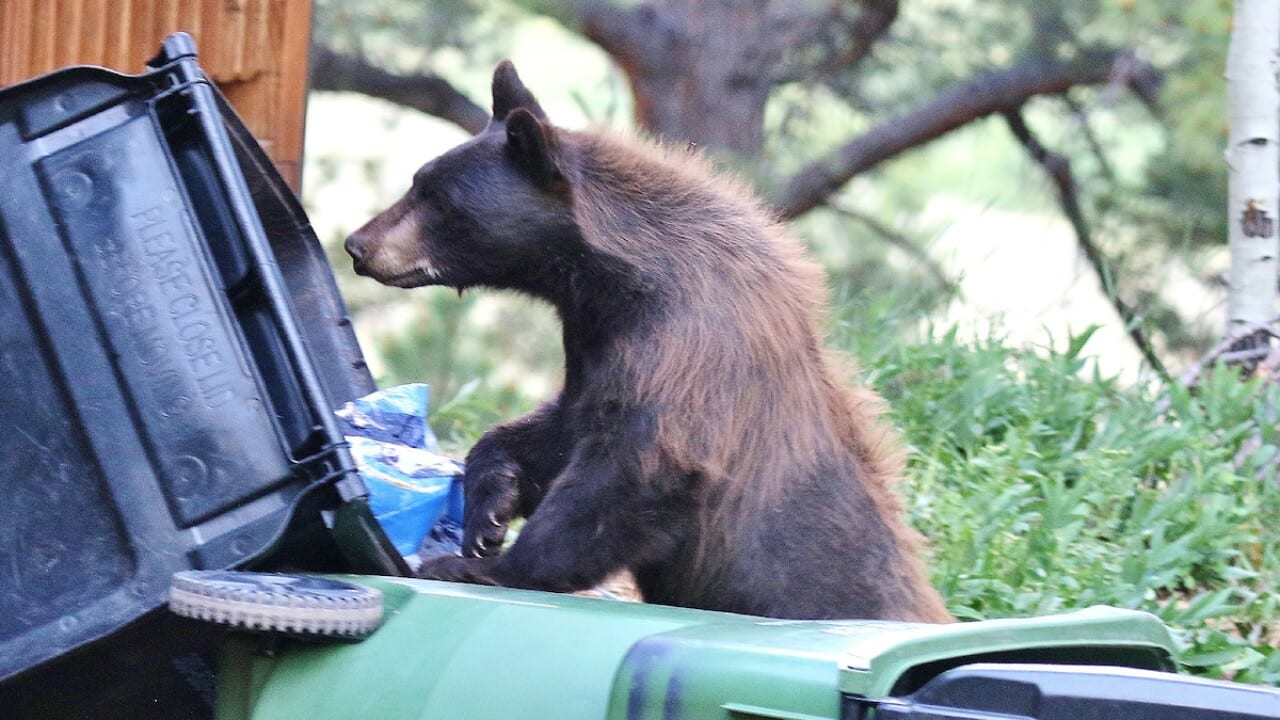
Black bear encounters are on the rise in the San Luis Valley, as Colorado’s drought pushes bears to search further for food.
This summer, residents face a new challenge: a stricter bear-attractant law took effect statewide August 12.
Leaving food or edible waste where bears can reach it now brings tougher penalties, including fines up to $5,000 for repeat offenses.
The new law makes it easier to be cited, placing responsibility on people to secure trash, pet food, bird seed, and other attractants.
Communities like Crestone are urging neighbors to keep garbage protected and remove temptations before pickup day.
With bears’ powerful memories, one easy meal from your garbage can turn a wild animal into a persistent neighborhood threat.
Keeping food out of reach helps protect residents, property, and the bears—especially as they prepare for winter. Read More... |
 |

Golden Fleece Antiques is a true treasure trove in Del Norte, Colorado. With nearly 50 years in business, this expansive, 4,300-square-foot shop is the area’s largest destination for antiques, vintage finds, collectibles, and more. Their selection is always evolving, thanks to frequent inventory updates, so every visit promises new discoveries. Visitors from near and far rave about how much fun it is to explore the various booths packed with rare, unique, and fairly-priced items. Golden Fleece regularly hosts local events and even features local music artists, making it a vibrant and welcoming part of the community. Whether you’re an experienced picker or a first-time treasure hunter, Golden Fleece invites you in with open arms, friendly service, and a truly special shopping experience. |
|
|
 |
 |
Preserving the stories of places time forgot.
Spar City: The San Luis Valley Ghost Town That Refused to Die
|

High in the mountains southwest of Creede is a place with one of the more unusual stories among the San Luis Valley's old mining settlements.
Spar City boomed, collapsed and nearly became another Colorado ghost town — but then something remarkable happened. People came back, not for the silver, but to save the town.
Today, more than 130 years after prospectors first rushed into the area, Spar City still exists.
|

A long-awaited addition to Monte Vista is nearing reality as the new Cobblestone Hotel & Suites prepares for its next phase.
Construction continues at 2351 Sherman Avenue, with the hotel now launching an early September hiring push for key roles including front desk, housekeeping, breakfast attendant, and maintenance.
Open interviews are scheduled at the nearby Ski Hi Complex, making it easy for local applicants to stop in or book after-hours appointments.
Cobblestone expects to welcome its first guests in fall 2026, though no grand opening date has been confirmed yet.
This milestone marks visible progress for a project that’s generated local excitement, promising new lodging options and a prime location for visitors attending major Monte Vista events. Read More... |
 |

This week's Community Spotlight goes to SLV GO! (San Luis Valley Great Outdoors), the Valley's leading trail-building and outdoor-recreation nonprofit.
Originally formed in 2013 as a citizen coalition and formally recognized as a 501(c)(3) in 2018, SLV GO! works to connect people to the outdoors by expanding trails, parks, and public-land access across all six counties of the San Luis Valley. It's the only organization working collectively with nonprofits, businesses, federal agencies, and municipalities to improve health and quality of life through trails and outdoor recreation here.
The organization runs on three full-time staff, more than 140 volunteers, and over 40 partner organizations — including the Great Outdoors Action Team, a six-person trail-building and stewardship crew that handles design, layout, and construction on federal, county, city, and private lands.
Since 2015, SLV GO! has helped build more than 120 miles of community trails across the Valley.
In a region this large and this outdoor-oriented, SLV GO!'s work quietly shapes how residents and visitors alike experience the Valley's public lands.
🌐 slvgo.com 📍 Serving all six San Luis Valley counties |
 |
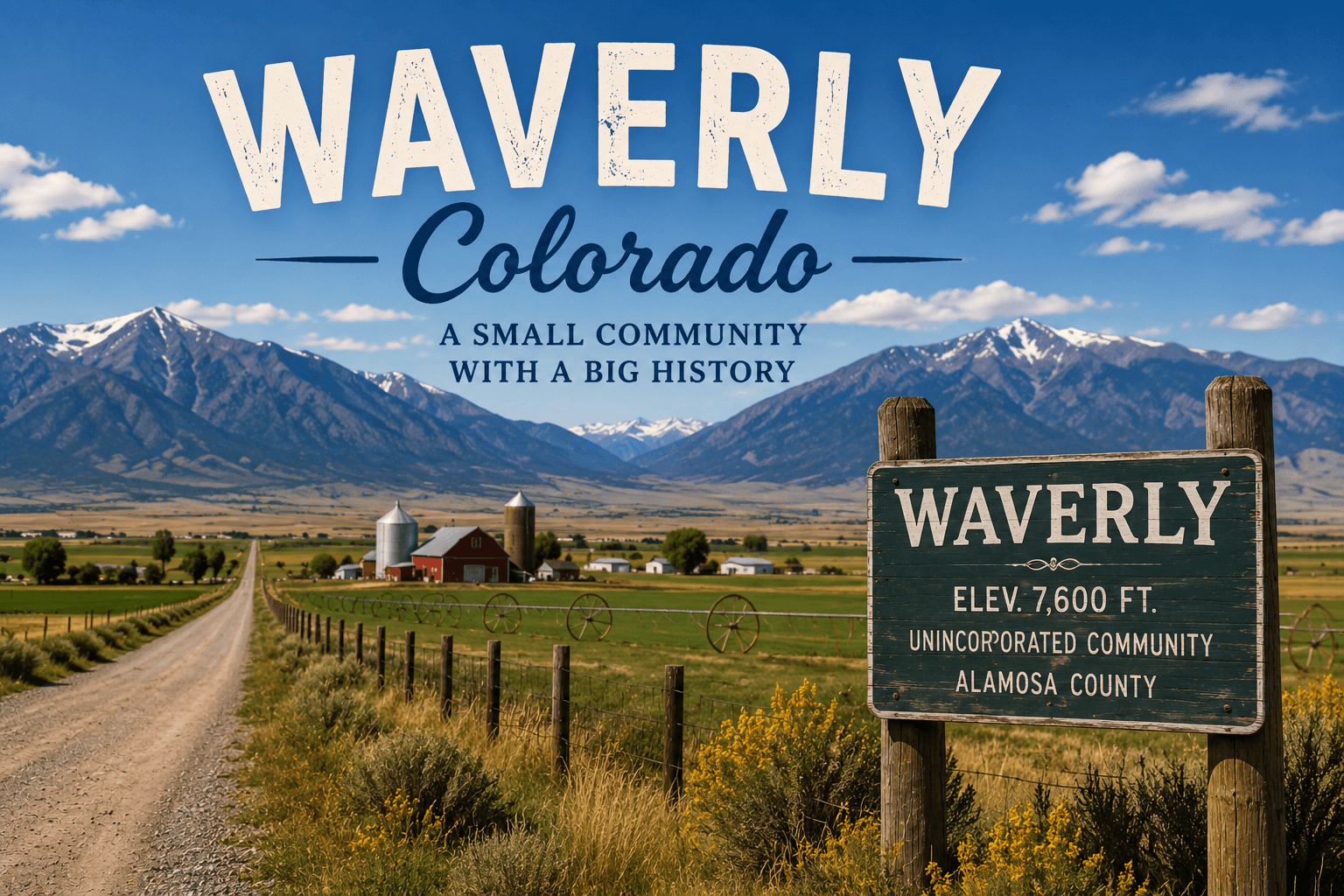
Waverly, Colorado
Drive southwest from Alamosa across the broad, open floor of the San Luis Valley and you'll find yourself in an area known as Waverly.
There's no bustling downtown, no stoplight and no incorporated town government. But Waverly has been part of the Valley's agricultural landscape for well over a century.
Located in western Alamosa County at an elevation of roughly 7,600 feet, Waverly is an unincorporated rural community surrounded by the fields, irrigation systems and wide-open views that characterize this part of the Valley.
A Community With Dutch Roots
Waverly's story reaches back to the late 1800s, when Dutch immigrants were encouraged to settle and farm in the San Luis Valley.
Beginning in the 1890s, Dutch families established farms in the area despite the challenges of the Valley's high elevation, short growing season and unfamiliar climate. Over time, they helped build a productive agricultural community, and their influence became an important part of Waverly's identity. By the early 1900s, the community was established enough that settlers constructed a Dutch Reformed church.
A Second Beginning
Waverly received another group of newcomers during the Great Depression. In 1937 and 1938, the federal Farm Security Administration established a resettlement project in the Waverly area for families displaced during the Dust Bowl.
Families participating in the project were provided similar houses and approximately 80 acres of land. From there, they faced the difficult job of preparing their ground and building new lives as farmers in the San Luis Valley.
That gives this little community an unusual history. Waverly was shaped first by immigrants looking for opportunity in the American West and decades later by American families looking for a new beginning after one of the country's worst agricultural disasters.
Still Part of the Valley
Waverly never grew into a conventional town with blocks of stores and businesses. Agriculture remained at the heart of the community. And Waverly hasn't disappeared.
People still live and farm there, and Alamosa County continues to recognize Waverly as a distinct area of the county. Like many places scattered across the San Luis Valley, its identity is tied less to municipal boundaries than to the families, farms and history associated with the area.
It's also a reminder that some of the Valley's most interesting communities aren't necessarily marked by a welcome sign or a downtown. Sometimes they're simply a name on a map, a collection of farms and homes, and generations of stories.
That's Waverly — another small but fascinating corner of the San Luis Valley. ``` |
 |
Coming Up Around the Valley: Two Big Weekends AheadThe calendar is packed as August gives way to September. Several events we've featured previously are now just days away, so consider this your reminder to make those weekend plans. 🌱 This Saturday: San Luis Valley Seed Saving & Harvest Swap — AntonitoSaturday, August 29 | 10 a.m.–4 p.m. | Spray Park The San Luis Valley Seed Saving & Harvest Swap returns to Antonito this Saturday for a day centered around seeds, the harvest and community. The free community event provides an opportunity to share and exchange seeds and celebrate the Valley's growing season. Live music and a community potluck are also part of the day's activities. We featured the Harvest Swap a couple of weeks ago, but now it's almost here — Saturday from 10 a.m. to 4 p.m. at Spray Park in Antonito. 🎶 This Weekend: Headwaters Music Festival — CreedeSaturday & Sunday, August 29–30 Another event we've previously featured is finally here. The Headwaters Music Festival brings two days of live music to Creede this weekend. Saturday's music begins at 12:30 p.m., with Rally Round, Bo DePeña Band, Float Like a Buffalo, Anthony Garcia & Los Diablos Tejanos and Roger Creager. The music continues Sunday beginning at 11 a.m., with 2nd Chance, Caldera, Rivertown Folk, Walt Wilkins Trio and The Rifters. If Headwaters has been on your summer calendar, this is the weekend! Labor Day Weekend PreviewThe following weekend brings another round of celebrations across the San Luis Valley, with major events in Alamosa, Antonito and Creede. 🚗 45th Annual Early Iron Festival — AlamosaFriday–Sunday, September 4–6 One of the Valley's signature Labor Day weekend traditions returns to Cole Park in Alamosa for its 45th year. The main car show takes place Saturday, September 5, from 9 a.m. to 4:30 p.m., giving visitors hours to check out hundreds of hot rods, classics and custom vehicles. Saturday also includes a flag-raising ceremony at 9 a.m., Nitro car burns at 10 a.m. and 2 p.m., a Pinstripers Auction at 1 p.m., Show 'n Shine Awards from 3–4 p.m., and one of the weekend's favorite traditions — the Slow Cruise through downtown Alamosa from 7–9 p.m. Sunday morning includes Early Iron Church services at 9 a.m., followed by the SLV Early Iron Poker Run at 9:30 a.m. For vehicle owners planning to participate, online pre-registration closes Wednesday, September 2 at 5 p.m. 🏍️ Antonito Labor Day Festival — AntonitoSaturday, September 5 | Mansion Park Antonito gets another turn in the spotlight the following Saturday with its Labor Day Festival at Mansion Park. We've previously featured this year's festivities, including the 1st Annual Antonito Labor Day Festival Street Bike Show, so here's your reminder to keep Antonito on your Labor Day weekend calendar. It's another chance to spend the day in Conejos County and support a Valley community celebration. 🌶️ Labor Day Weekend — CreedeSeptember 4–6 After Headwaters Music Festival this weekend, Creede turns right around and gets ready for another busy weekend. Labor Day activities include the Days of '92 Open Air Market and Town Barn Dance on Friday, followed Saturday by the Creede Mountain Run and Salsa Fiesta, along with additional entertainment and activities throughout the holiday weekend. 📅 Mark Your Calendar
Aug. 29 — San Luis Valley Seed Saving & Harvest Swap, Antonito Aug. 29–30 — Headwaters Music Festival, Creede Sept. 4–6 — 45th Annual Early Iron Festival, Alamosa Sept. 4–6 — Creede Labor Day Weekend Sept. 5 — Antonito Labor Day Festival From seed swapping and local harvests to live music, classic cars, motorcycles, salsa and community celebrations, the next two weekends offer plenty of reasons to get out and explore the San Luis Valley. If you've seen some of these events in earlier issues of The San Luis Valley Beat, that's intentional — now they're almost here, and we don't want you to miss them. ``` |
 |
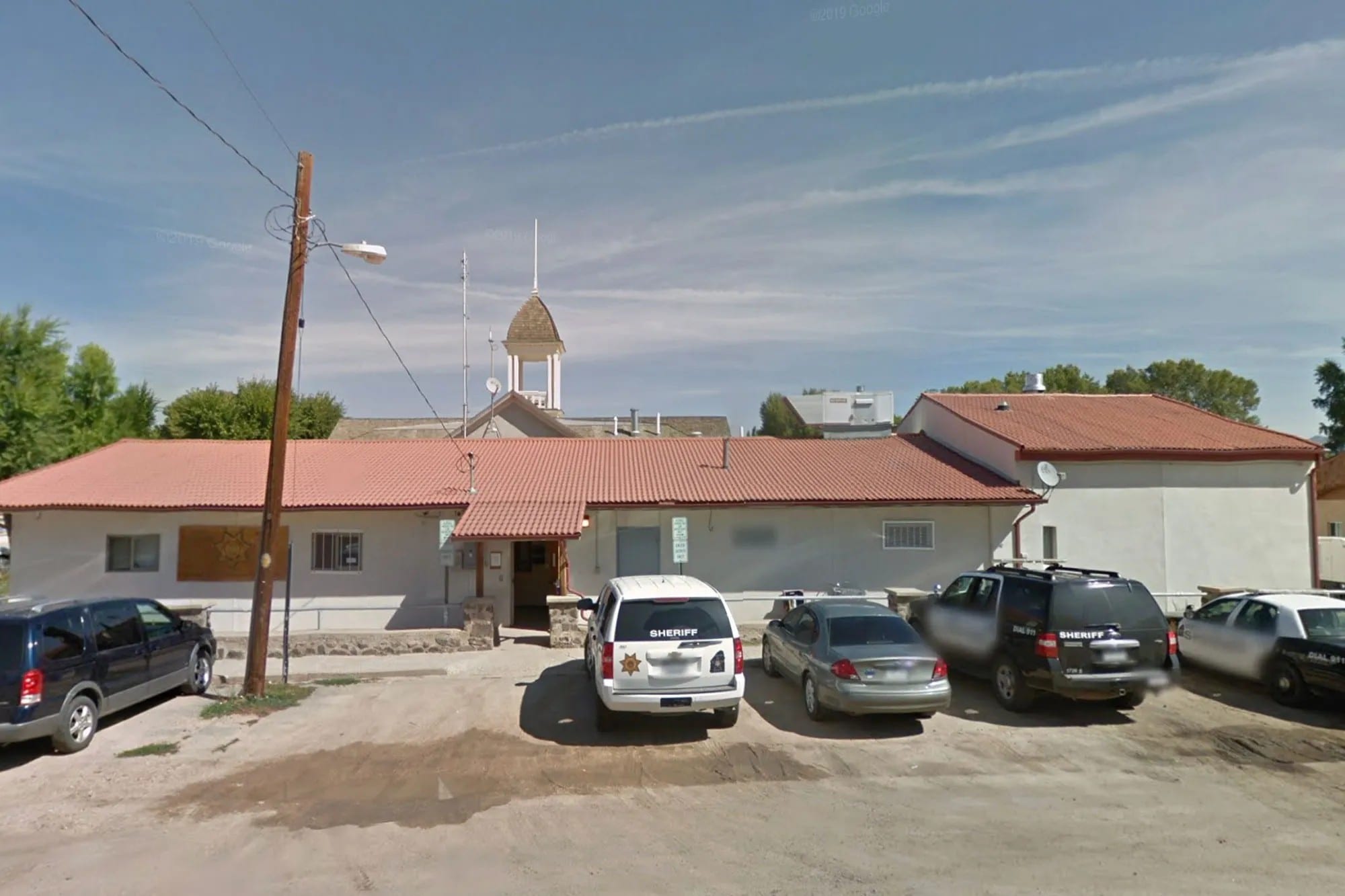
Costilla County has declared an emergency due to a critical staffing shortage at the Sheriff’s Office amid ongoing financial strain and fallout from recent indictments of former Sheriff Danny Sanchez and top staff.
The Board of County Commissioners passed a resolution on August 18, seeking emergency assistance from the State of Colorado as only three officers — including interim Sheriff Joe Smith — remain to patrol the county’s 1,230 square miles.
These officers are logging 80 to 90 hours weekly, sometimes leaving just one on duty, placing public safety at risk.
Disputes continue over the Sheriff’s Office budget, with Smith questioning the county’s financial management and raising concerns over unpaid overtime.
County officials hope state assistance will shore up law enforcement coverage, as residents worry about reliable policing amid ongoing departmental rebuilding and uncertain finances. Read More... |
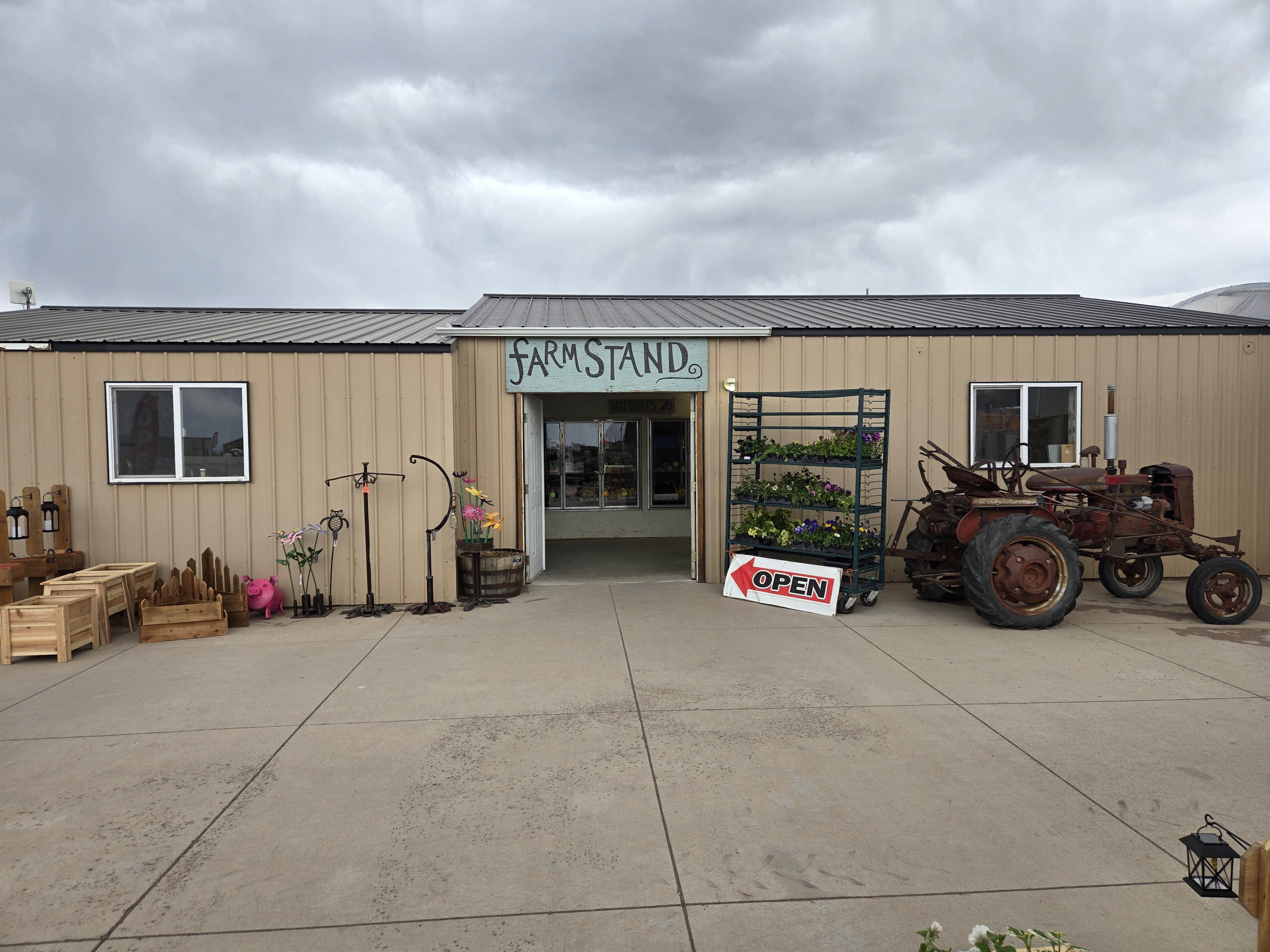
The Farmstand — Fresh and Local in Monte VistaThere are some businesses in the San Luis Valley that simply feel like they belong here, and The Farmstand in Monte Vista is certainly one of them.
Located at 1514 S. County Road 4E, at the former Catlin's Greenhouse location, The Farmstand offers something that's becoming increasingly valuable — a place to shop for fresh produce while supporting agriculture close to home.
This week's Business Spotlight is also a little more personal than some. The Farmstand is a place I shop myself. A Connection to Valley Agriculture
Agriculture has always been at the heart of the San Luis Valley, and The Farmstand provides a direct connection between that agricultural tradition and the food we put on our tables.
Owner Haydn Christensen has previously been featured growing and harvesting produce for sale directly to the community. Depending on the season, shoppers can find a changing selection of fresh produce and other offerings.
That's one of the things I enjoy about shopping at a farm stand. You don't necessarily walk in expecting to see exactly the same thing every time. The selection reflects the season, and during late summer and early fall, there's usually plenty happening in the fields around the Valley. Shopping Close to Home
There's another reason businesses like The Farmstand deserve some attention. When we buy locally, we're doing more than purchasing something for dinner. We're supporting the growers, families and small businesses that are part of our own community.
And in an agricultural region like ours, there's something particularly satisfying about buying food close to where it was grown.
You can drive past fields throughout the San Luis Valley every day, but stopping at a place like The Farmstand helps connect those fields with what eventually ends up on the dinner table. Worth a Stop During Harvest Season
Late summer is a particularly good time to stop by and see what's available. As harvest season progresses, selections can change, so part of the experience is simply seeing what looks good that day.
Whether you're looking for fresh vegetables for tonight's dinner, stocking the kitchen for the week, or just want to see what's in season, The Farmstand is worth a stop.
And this time, that recommendation comes from personal experience.
Seasonal availability can change, so selections may vary from day to day. |
|
|
💡 Tip of The Day
With bear activity up across the Valley, secure garbage in a closed garage, shed, or wildlife-resistant container, and only put it out on the morning of collection — it's the law now, and it keeps bears wild. |
 |
🐾 Adoptable Pet of the Week — Meet BusterMeet Buster, a handsome adult male American Pit Bull Terrier currently waiting for his forever home at the Upper Rio Grande Animal Society's Conour Animal Shelter in Monte Vista. Born approximately March 29, 2024, Buster is still a young adult. With his expressive eyes, handsome markings, and bright orange paw-print bandana, he certainly knows how to pose for a picture. The shelter's current listing doesn't provide much information about Buster's personality, training, or how he does with children or other animals. Rather than make assumptions, anyone interested in Buster is encouraged to contact Conour Animal Shelter directly. The staff who spend time with him can tell you more about his personality and help determine whether Buster might be a good match for your household. Sometimes a photograph is enough to make you want to know more. If Buster's face caught your attention, perhaps it's time to make an introduction. 📍 Adoption InformationUpper Rio Grande Animal Society 👉 Contact the shelter directly to learn more about Buster or schedule a meet-and-greet. Quick Facts
Not ready to adopt? Sharing Buster's story could put his picture in front of the person who's been waiting to find him. |
 |
 |
 |
No-Wrap Smoked Ribs with Potato Salad & Herb-Butter Corn
Here’s what was on our table this week: smoked baby back ribs, a small batch of homemade potato salad, and soft, buttery smoked corn on the cob.
I’ve made ribs a number of different ways over the years, but for this meal I went with a simple no-wrap method at 250°F. I seasoned the ribs the night before with my own 7-ingredient pork rub, let them rest overnight in the refrigerator, and skipped the barbecue sauce entirely. The idea is simple: let the rub, smoke, and pork do the work. No-Wrap Smoked Baby Back Ribs
The night before cooking, remove the membrane from the back of the ribs if it is still attached and trim away any loose pieces of meat or excess fat.
Coat the ribs generously on all sides with your favorite dry pork rub. I don’t use a binder. I simply apply the rub directly to the meat, cover the ribs, and refrigerate them overnight.
The next day, heat the smoker to 250°F. Place the ribs on the smoker bone-side down.
Then comes one of the most important parts of the whole cook: Leave them alone for the first two hours. Don’t rush to spritz them, and don’t keep opening the smoker to check on them. Those first couple of hours give the seasoning time to set and allow a good bark to develop.
After about two hours, check the ribs. If the bark has set, begin lightly spritzing as needed. Apple juice works well, but you can use whatever spritzing liquid you prefer. The goal is to add just a little moisture without soaking the ribs or washing away the seasoning. After that, a light spritz about every 45 to 60 minutes is usually plenty if the ribs look like they need it.
Continue smoking at 250°F until the ribs are tender. Baby backs will often take somewhere around 4 to 5 hours, but don’t rely only on the clock.
Look for the meat beginning to pull back from the ends of the bones. You can also use the bend test: lift the rack near the middle with a pair of tongs. When it bends easily and the bark begins to crack slightly, the ribs are getting close.
Once tender, take them off the smoker and let them rest for about 10 to 15 minutes before slicing. No sauce needed. Small-Batch Herbed Potato Salad
The potato salad is adapted from a recipe I’ve made for years. The original makes a large potluck-sized bowl, so for this meal I scaled it down to about four side servings.
Place the diced potatoes in a saucepan, cover with cold salted water, and cook until fork-tender but still holding their shape. Drain well and allow them to cool slightly.
In a bowl, combine the coleslaw dressing, spicy brown mustard, green onion, celery seed, basil, thyme, dill, garlic, salt, and pepper. Gently fold in the potatoes and chopped eggs. Cover and refrigerate for at least a couple of hours before serving.
The original recipe calls for mayonnaise, but I use coleslaw dressing instead. It adds a slightly sweeter, tangier flavor and works especially well with smoked pork. Soft Herb-Butter Smoked Corn
Since the smoker was already running at 250°F, the corn went on there too.
For especially soft and tender corn, leave the husks attached. Carefully pull them back, remove the silk, spread herb butter directly over the kernels, and then pull the husks back into place.
Smoke the corn at 250°F for about 75 to 90 minutes. For even softer corn, loosely wrap the ears in foil during the final 20 to 30 minutes. That traps steam and helps tenderize the kernels even more.
When the corn comes off the smoker, pull back the husks and brush it with a little more herb butter. Getting It All on the Table
This is a meal that works well with a little advance preparation. The ribs can be seasoned the night before, and the potato salad can also be made ahead and left to chill.
On cooking day, start the ribs about 4 1/2 to 5 hours before you hope to eat. Leave them alone for the first two hours, then begin spritzing lightly if needed.
During roughly the last 75 to 90 minutes of the rib cook, add the prepared corn to the smoker.
When the ribs are tender, let them rest for 10 to 15 minutes while you finish the corn with a little more herb butter and bring the potato salad out of the refrigerator.
The finished plate turned out just the way I was hoping: smoky ribs with a dark bark, creamy herbed potato salad, and soft buttery corn on the cob.
Sometimes a good meal doesn’t need to be complicated. A good rub, steady heat, a little smoke, and enough patience to leave the ribs alone can go a long way.
|
 |
💡 ANSWER TO TRIVIA QUESTION: Spar City!
What started in 1892 as a silver-mining camp called Fisher City near Creede went bust like so many Colorado mining towns — before an unusual second act as a private, shareholder-owned summer cabin community that still exists today. |