
When the Trains Stop Running: Winter on the Cumbres & Toltec |
Behind the scenes, skilled mechanics, craftsmen, and volunteers help keep one of America's most remarkable historic railroads alive. |
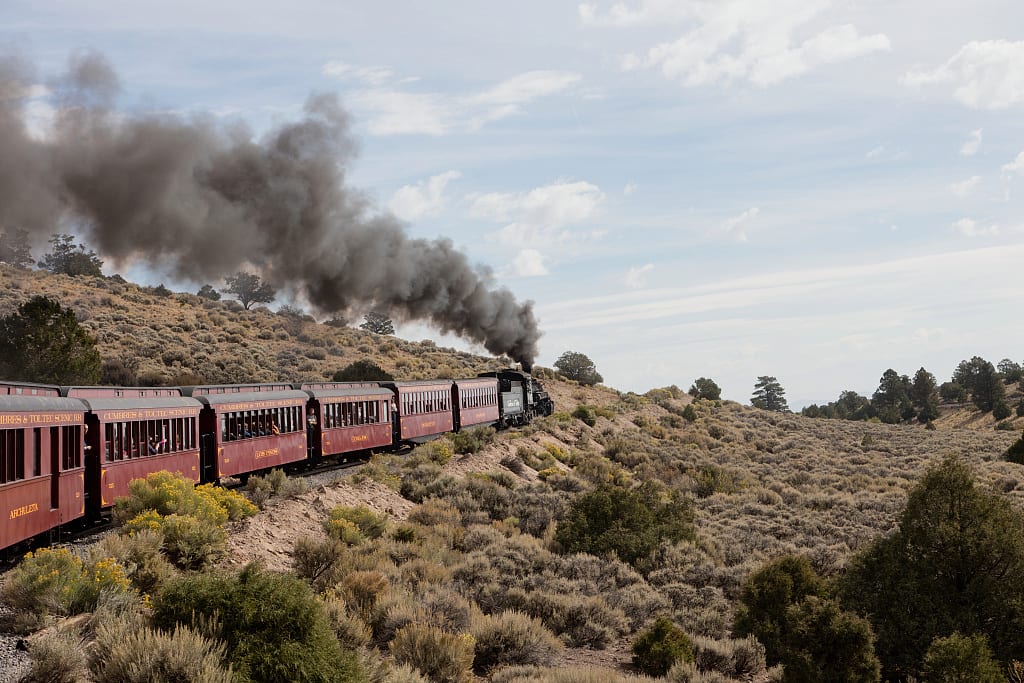
During the summer and fall, the familiar sound of a steam locomotive whistle echoes across the southern San Luis Valley as the Cumbres & Toltec Scenic Railroad carries passengers into the mountains. But when the regular passenger season ends and winter settles over the high country, another chapter of the railroad's story begins. The locomotives may spend more time inside the shops, and the passenger cars may sit quietly in the railroad yards, but preserving a historic steam railroad is a year-round undertaking. For the people who maintain the Cumbres & Toltec, the months between operating seasons provide valuable opportunities to inspect equipment, make repairs, and prepare for another year of carrying passengers through some of the most spectacular scenery in the American West. Keeping History Alive The Cumbres & Toltec Scenic Railroad operates along 64 miles of historic narrow-gauge track between Antonito, Colorado, and Chama, New Mexico. Originally constructed in 1880 as part of the Denver & Rio Grande Railroad's expanding network, the line is now owned jointly by Colorado and New Mexico and recognized as a National Historic Landmark. Unlike a museum where historic machinery remains on display, the Cumbres & Toltec preserves history by putting it to work. Its steam locomotives must do more than look authentic. They must safely pull passenger trains through mountain passes, across bridges, around sharp curves, and up steep grades. Keeping these remarkable machines operational requires specialized knowledge, considerable patience, and skills that have become increasingly uncommon in the modern railroad industry. Inside the Railroad Shops A steam locomotive is an extraordinarily complex machine. Its boiler, firebox, wheels, rods, valves, bearings, and braking systems must all work together under demanding conditions. During the off-season, railroad mechanics have opportunities to perform maintenance that would be difficult to accomplish while locomotives are needed for daily passenger service. Some projects involve routine inspections and replacing worn components. Others require extensive disassembly, machining, welding, and rebuilding. The scale of this work is illustrated by reports presented at a November 2025 meeting of the Friends of the Cumbres & Toltec Scenic Railroad. At that meeting, railroad officials outlined plans for major work on several locomotives during the 2025–26 winter and beyond. Locomotive No. 484 was scheduled for a major federally required boiler inspection and overhaul, a project expected to take approximately two years. Locomotive No. 487 was scheduled for its five-year inspection, while components from locomotives Nos. 488 and 489 were also slated for winter work. These projects illustrate why maintaining a historic steam railroad requires planning well beyond a single operating season. More Than Locomotives While steam engines naturally attract much of the attention, the passenger cars behind them require considerable care of their own. Seats, windows, flooring, heating systems, brakes, and the structural components of each car must be maintained to provide a safe and comfortable experience for passengers. The railroad's Antonito shop plays an important role in this work. At an August 2025 meeting of the Cumbres & Toltec Scenic Railroad Commission, officials highlighted the construction of passenger coach No. 526. The nearly completed coach had been assembled at the Antonito shop in less than a year. Its steel exterior was designed to provide improved durability against the elements. It was an example of how today's railroad craftsmen combine modern materials and techniques with the traditional appearance of historic narrow-gauge equipment. Their work helps ensure that the railroad can continue welcoming passengers for generations to come. The People Behind the Preservation The railroad's preservation efforts extend beyond its paid employees. The Friends of the Cumbres & Toltec Scenic Railroad is a nonprofit organization whose volunteers help preserve historic equipment, buildings, and other railroad assets. Volunteers travel from across the country to participate in organized work sessions in Antonito, Chama, and other locations along the railroad. Their projects have included restoring historic freight cars, repairing structures, preserving railroad artifacts, and maintaining equipment that might otherwise be lost to time. Many of these projects take place during the warmer months, when weather conditions are more favorable for outdoor restoration work. Together, the railroad's employees and volunteers help preserve not only historic machinery but also the knowledge and craftsmanship needed to maintain it. An Important Part of Antonito For Antonito, the Cumbres & Toltec is more than a tourist attraction. The railroad brings visitors into the community, supporting local restaurants, lodging establishments, shops, and other businesses. It also provides employment and helps preserve a connection to the railroad history that shaped communities throughout southern Colorado and northern New Mexico. While the regular passenger season brings the greatest number of visitors, the maintenance and preservation work performed behind the scenes is essential to the railroad's continued operation. Every locomotive prepared for another season and every passenger car repaired or restored represents an investment in the future of the railroad and the communities it serves. One More Chance to Ride in 2026 Although the regular 2026 passenger season has ended, the railroad isn't quite finished welcoming passengers this year. Santa's Holiday Express returns to Antonito on December 12 and 13, offering families a festive round-trip journey from Antonito to Lava and back. Passengers can enjoy hot chocolate, holiday cookies, candy canes, and a visit from Santa aboard the train. Santa's Holiday Express — Antonito Saturday, December 12: 1 p.m., 3 p.m., and 5 p.m. Sunday, December 13: 10 a.m., 1 p.m., and 3 p.m. Coach tickets: $25 for adults ages 11 and older; $15 for children ages 2–10. Deluxe tickets: $50 for adults; $35 for children. Children under age two ride free when seated on a parent or guardian's lap. Departure location: Antonito Depot, 5234 U.S. Highway 285, Antonito. Learn more and reserve tickets for Santa's Holiday Express Looking Toward Another Season When the first regular passenger trains depart in 2027, most visitors will be thinking about the scenery, the sound of the whistle, and the experience of traveling behind a historic steam locomotive. Few will see the months of preparation that made their journey possible. But behind every departure is the work of people who understand that preserving history requires more than remembering it. It requires maintaining it, repairing it, and passing along the skills that keep it alive. And that is exactly what the people behind the Cumbres & Toltec Scenic Railroad continue to do. Visit the Cumbres & Toltec Scenic Railroad website Learn about the Friends of the Cumbres & Toltec Scenic Railroad |
0 Comments
Join the conversation
Be the first to comment
Share your thoughts above.