Harvest Time in the San Luis Valley: A New Potato Crop Comes In |
Across the San Luis Valley, September means harvest. |
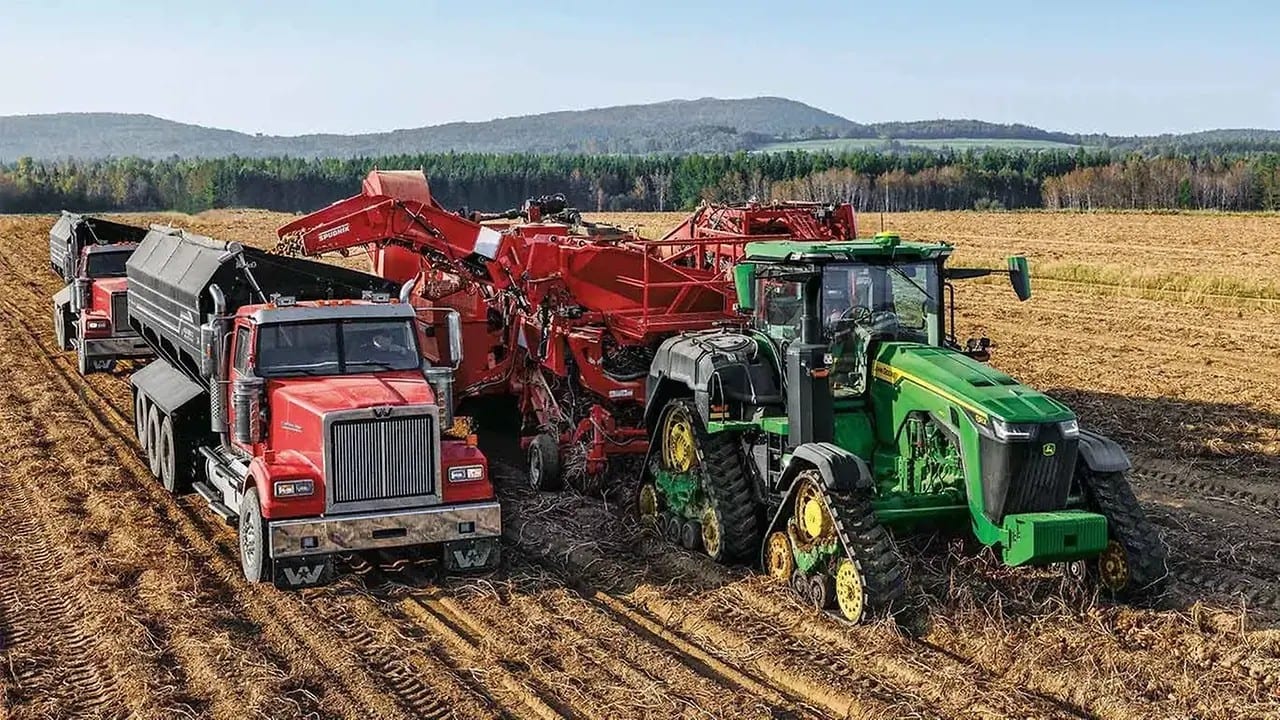
As summer begins giving way to fall, potato fields throughout the Valley are entering one of the busiest periods of the agricultural year. Harvest typically begins in early September and continues into mid-October, sending crews, trucks, packing sheds and storage facilities into high gear. But the 2026 harvest arrives after an unusually difficult year for the Valley's potato industry. Too Much of a Good ThingThe problem actually began with a very good growing season. Potato growers across the country produced a strong crop in 2025. Unfortunately, when too many potatoes reached the market at the same time, supply exceeded demand and prices fell. The effects were particularly noticeable in the San Luis Valley, where potatoes are primarily grown for the fresh market — the potatoes consumers see in grocery-store produce departments and restaurants. Longtime Valley grower Bob Mattive told Colorado Public Radio in August that the past year had been one of the worst price years he had experienced in more than four decades of growing potatoes. The oversupply left growers and shippers searching for places to move potatoes that might otherwise have had a ready market. Some lower-grade potatoes found their way to processors. Others were donated to food banks or used as livestock feed. But not all of them could be saved. An estimated 100 million pounds of San Luis Valley potatoes were culled during the year, according to an estimate cited by Colorado Public Radio. Market conditions, extended storage and unusually warm conditions all contributed to those losses. A New Crop and a New OpportunityNow attention is turning to the potatoes coming out of the ground this fall. The USDA's September agricultural figures list approximately 53,000 acres of potatoes planted in Colorado in 2026, with about 52,800 acres expected to be harvested. The vast majority of Colorado's potato production takes place right here in the San Luis Valley. Fewer acres and more challenging growing conditions this year could actually provide some relief for growers. A smaller crop nationally may help bring supply and demand closer together following last year's oversupply. That doesn't guarantee better prices, but growers are hopeful that 2026 won't bring a repeat of the previous marketing year. The Trucks Are Already RollingThere are already signs of the new crop moving into the marketplace. The Colorado Potato Administrative Committee reported 107 truckloads of potatoes shipped on Thursday, September 10, including 15 bulk loads. Those trucks are part of a much larger network that carries San Luis Valley potatoes throughout Colorado, across the United States and into Mexico. Unlike some of the country's other major potato-producing regions, the Valley is particularly important to the fresh-potato market. These aren't primarily potatoes destined to become frozen french fries or bags of potato chips. Many are headed directly toward supermarkets, restaurants and kitchens. More Than Just Another CropFor those of us living in the San Luis Valley, it can be easy to take potato fields for granted. We drive past them throughout the summer. We see the warehouses, packing sheds and trucks. Potato harvest is simply part of the rhythm of life here. But behind every field is a considerable investment of time, water, labor and money — and a gamble that begins months before anyone knows what the market will look like at harvest. The Colorado Potato Administrative Committee says more than 150 potato-growing families call the San Luis Valley home. Their success ripples far beyond the farm itself. Harvest means work for equipment operators, truck drivers, warehouse employees, packers, inspectors and many others whose jobs are connected directly or indirectly to agriculture. Harvest Season Is HereOver the next several weeks, the familiar signs of potato harvest will become increasingly visible across the Valley. Harvesters will move through the fields. Trucks will travel between farms, storage facilities and packing sheds. Potatoes that spent the summer beneath San Luis Valley soil will begin journeys that may take them hundreds or even thousands of miles away. After a difficult year, nobody can say yet exactly what the 2026 crop will ultimately mean for growers. But a new harvest also means something agriculture has always depended upon: another chance. And throughout the San Luis Valley, that chance is coming out of the ground right now. |
0 Comments
Join the conversation
Be the first to comment
Share your thoughts above.