
Preparing for Winter in the San Luis Valley: What Residents Should Know |
From frozen pipes and heating bills to icy roads and winter emergencies, a little preparation in October can make a big difference when cold weather settles over the Valley |
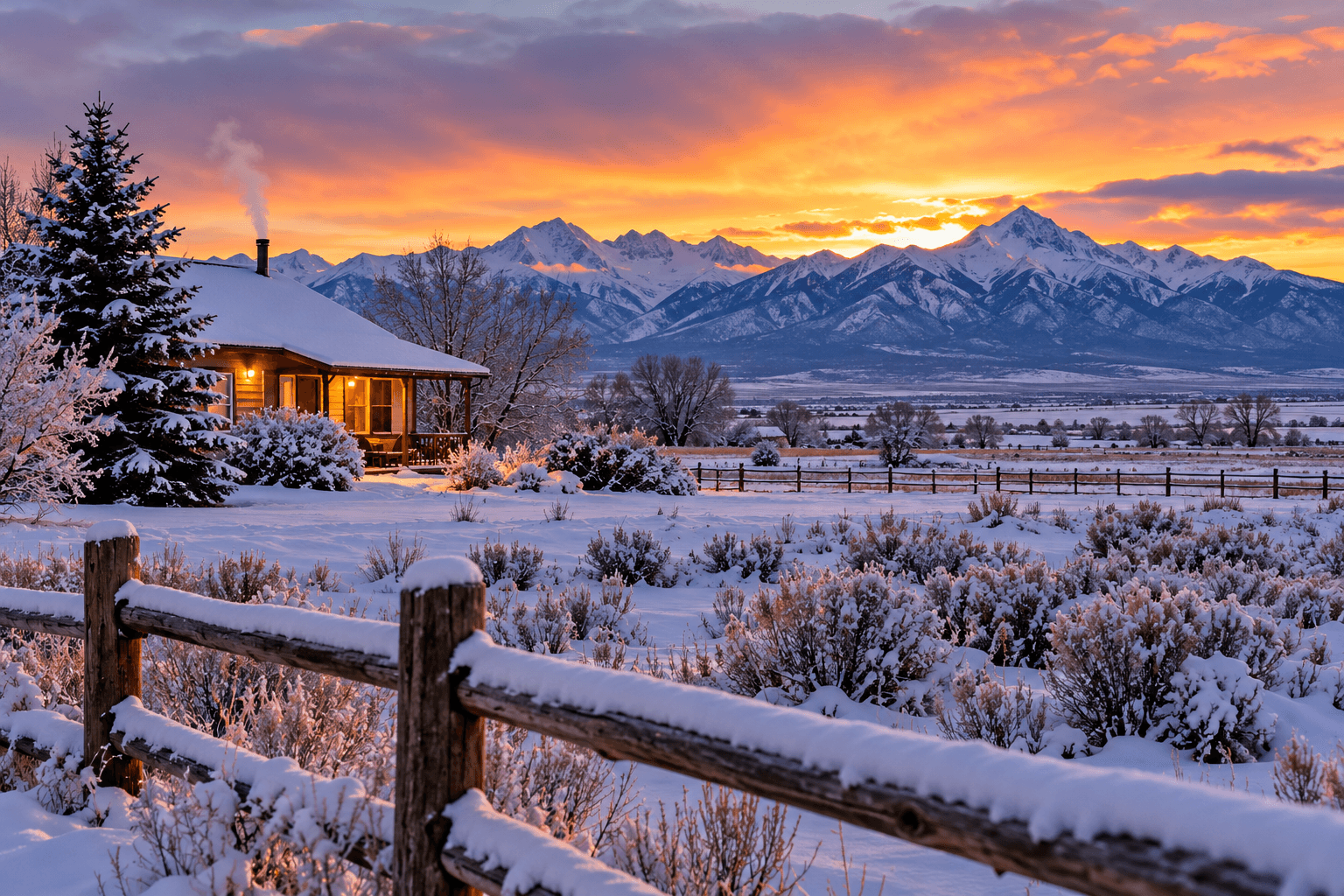
Winter in the San Luis Valley is not something to take lightly. At elevations of roughly 7,500 feet and higher, residents know that freezing temperatures, snow-covered roads and bitterly cold mornings are part of life.
But even longtime Valley residents can benefit from a reminder before winter arrives in earnest. Whether you live in Alamosa, Monte Vista, San Luis, Saguache, Del Norte, Creede or somewhere along a rural county road, preparing now can help prevent expensive repairs, uncomfortable nights and dangerous situations later.
Start With Your Home's Heating System
One of the most important preparations is making sure your heating system is ready before the coldest weather arrives.
For homes with furnaces, that means replacing or cleaning filters, checking vents and arranging professional servicing when needed. Wood stove owners should inspect their equipment and have chimneys cleaned regularly to reduce the risk of chimney fires.
Residents who heat with propane should check tank levels and delivery arrangements before winter storms make rural roads difficult to navigate.
Carbon monoxide detectors are especially important in homes using gas, propane, wood or other fuel-burning appliances. Smoke alarms should also be tested, with batteries replaced when needed.
Portable heaters require extra care. Keep them at least three feet from curtains, furniture, bedding and other combustible materials, and never use an oven or outdoor grill to heat your home.
Protect Pipes Before They Freeze
Frozen pipes can quickly turn into a costly winter problem, particularly in older homes, manufactured housing and buildings with exposed plumbing.
Pipes running through crawl spaces, garages and unheated areas are especially vulnerable. Insulating exposed pipes, sealing drafts and disconnecting outdoor hoses are relatively inexpensive steps that can prevent major damage.
Residents should also know where their main water shutoff valve is located. If a pipe bursts, shutting off the water quickly can limit flooding and damage.
During extreme cold, opening cabinet doors beneath sinks on exterior walls may allow warmer indoor air to circulate around plumbing. In vulnerable homes, letting a faucet drip slightly can also help reduce freezing risk, although it is not a substitute for proper insulation and heating.
Get Your Vehicle Ready for Valley Roads
Driving conditions can change quickly across the San Luis Valley.
A clear morning in Monte Vista can give way to blowing snow along Highway 160, icy conditions over Wolf Creek Pass or difficult travel across the northern Valley.
Before winter, drivers should check tires, brakes, windshield wipers, antifreeze, batteries and heating systems. Tires need adequate tread, and motorists traveling mountain passes should understand Colorado's traction and chain requirements.
Keep an emergency kit in your vehicle containing warm blankets, extra clothing, water, snacks, a flashlight, a phone charger, an ice scraper and a small shovel.
For residents traveling long distances between Valley communities, it is also wise to tell someone where you're going and when you expect to arrive.
Road conditions and closures can be checked through COtrip (https://www.cotrip.org/), the Colorado Department of Transportation's traveler information service.
Prepare for Winter Power Outages
Winter storms, strong winds and equipment problems can occasionally interrupt electrical service.
A basic household emergency kit should include flashlights, spare batteries, drinking water, shelf-stable food, essential medications and a way to receive weather alerts.
If your household depends on electricity for medical equipment, make a backup power and emergency contact plan before an outage occurs.
Generators must always be operated outdoors, well away from windows, doors and vents. Never run a generator inside a house, garage or enclosed porch because of the danger of carbon monoxide poisoning.
Keep phones charged when severe weather is expected, and consider having a battery-powered radio available.
Don't Forget Pets and Livestock
Winter preparations extend beyond the house.
Outdoor animals need dependable access to unfrozen water, adequate food and shelter from wind, snow and extreme temperatures.
Livestock owners should inspect water tanks, heaters, fencing and feed supplies before prolonged cold weather arrives.
Pets accustomed to spending time outdoors may need shorter outings during bitterly cold conditions, especially older animals, small breeds and animals with short coats.
Antifreeze spills should be cleaned immediately because antifreeze can be poisonous to pets and wildlife.
Look for Help With Winter Heating Costs
For households struggling with heating expenses, Colorado's Low-income Energy Assistance Program (LEAP) may provide help with qualifying winter home-heating costs.
The program generally accepts applications during the winter heating season, beginning November 1 and continuing through April 30. Eligibility and program details should be checked for the current season.
Residents can find information through the Colorado Department of Human Services LEAP program (https://cdhs.colorado.gov/leap).
Colorado's Weatherization Assistance Program may also help eligible households improve energy efficiency through measures such as insulation, air sealing and heating-related improvements.
Information is available through the Colorado Energy Office (https://energyoffice.colorado.gov/weatherization-assistance-program).
Check on Neighbors
One of the Valley's greatest strengths is the way communities look after one another.
Winter can be particularly challenging for older residents, people with disabilities and those living alone or far from town.
A quick phone call or visit during a cold spell can make a meaningful difference. Neighbors can help one another identify heating problems, arrange for supplies or find assistance when travel becomes difficult.
For anyone with limited mobility, preparing before the first major snowstorm can be especially important.
A Little Preparation Goes a Long Way
Winter is part of life in the San Luis Valley, and many residents have learned through experience how quickly conditions can change.
Taking time in October to check heating systems, protect plumbing, prepare vehicles and assemble emergency supplies can help make the months ahead safer and more manageable.
The goal isn't to worry about winter. It's to be ready for it.
|
0 Comments
Join the conversation
Be the first to comment
Share your thoughts above.