
Great Sand Dunes: A Natural Wonder in Our Own Backyard |
Discover the remarkable geology, wildlife, history, and autumn beauty of the San Luis Valley's most famous landscape |
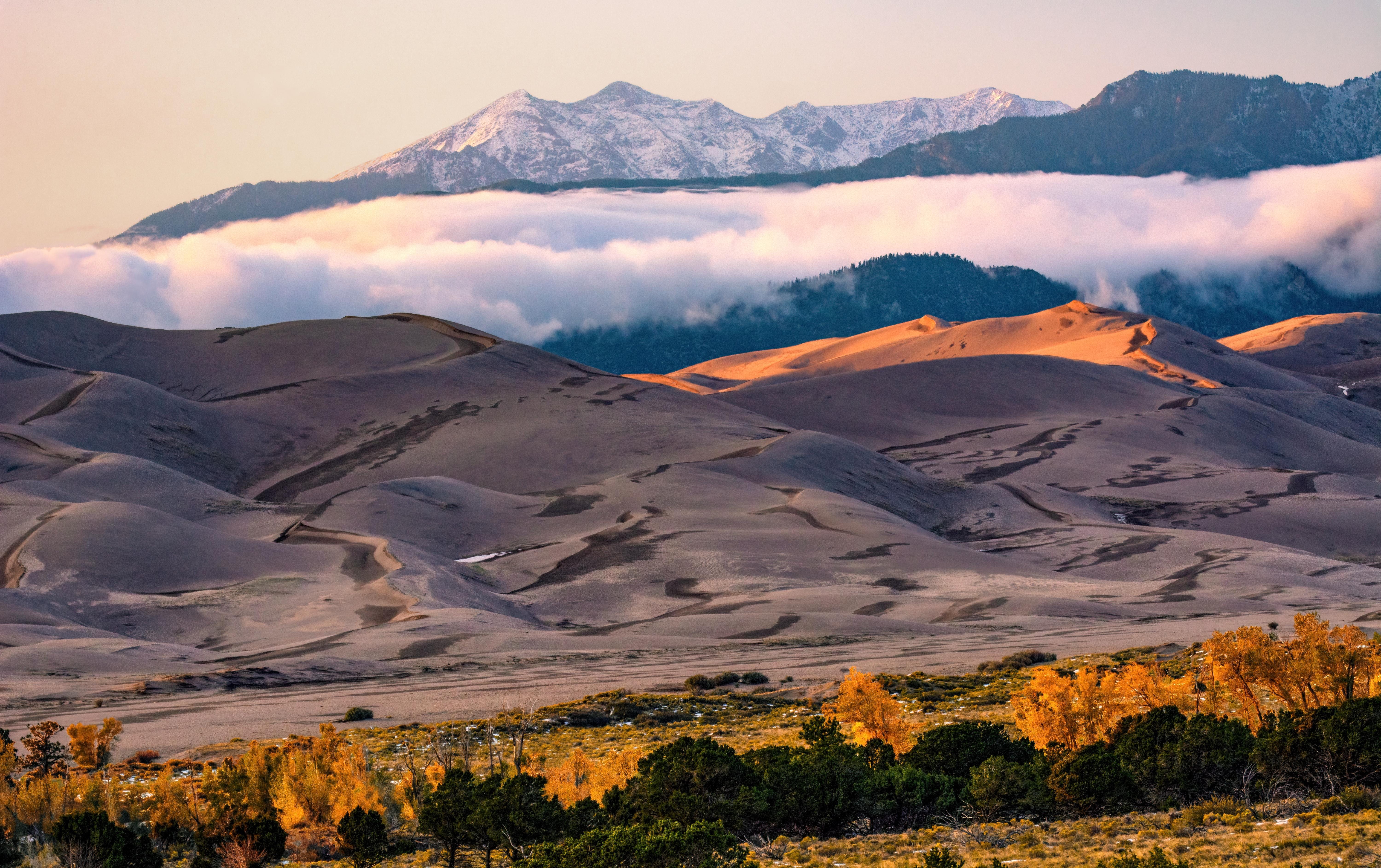
Just northeast of Alamosa, where the broad floor of the San Luis Valley meets the Sangre de Cristo Mountains, lies an immense sea of sand rising against some of Colorado's most dramatic mountain scenery.
Great Sand Dunes National Park and Preserve is home to the tallest dunes in North America and one of the most unusual natural environments in the American West. For Valley residents, the dunes are a familiar landmark, but behind their beauty is a remarkable story of geology, water, wind, wildlife, and human history.
How Did All That Sand Get There?
Over millions of years, erosion of surrounding mountains sent sand and sediment into the San Luis Valley basin. Ancient lakes and streams helped distribute those materials across the valley floor. Winds carried loose sand toward the Sangre de Cristo Mountains, where it accumulated against the mountain barrier.
The process continues today. Winds reshape the dunes, while mountain streams carry sand away from the dune field. Wind can return that sand, creating a natural recycling system. The dunes may look permanent from a distance, but their ridges and slopes are continually changing.
Mountains of Sand
The main dune field covers roughly 30 square miles. Star Dune and Hidden Dune rise approximately 741 feet from their bases, making them the tallest dunes in North America.
Visitors can walk onto the sand, climb the towering slopes, or simply admire the view from the main parking area. Climbing loose sand takes more effort than a typical trail: every step can slide backward. Visitors who prefer a less strenuous outing can still enjoy impressive scenery from accessible facilities near the dune field.
Medano Creek: The Valley's Seasonal Beach
Each spring, snowmelt from the Sangre de Cristo Mountains feeds Medano Creek along the eastern edge of the dunes. During years with sufficient runoff, families gather to splash in shallow water and enjoy what feels like a beach in the mountains.
The creek is known for surge flow: small waves created as sand builds up and collapses in the streambed. Water levels vary from year to year, so visitors should check current creek conditions before planning a trip around water play.
More Than Just Sand
The park and preserve protect grasslands, wetlands, forests, mountain streams, and alpine terrain in addition to the famous dune field. Elk and pronghorn roam nearby grasslands, bighorn sheep inhabit parts of the mountains, and specialized insects survive among the shifting sands. Some insect species found here occur nowhere else on Earth.
These habitats are connected. Mountain runoff shapes the streams and wetlands, while winds and water help sustain the dunes. Protecting the landscape means protecting the entire natural system.
A Spectacular Place After Dark
Far from the lights of major cities, Great Sand Dunes is an International Dark Sky Park. On clear, moonless nights, thousands of stars can be visible, and the Milky Way stretches overhead during suitable seasons. The silhouettes of the dunes against the night sky make a memorable sight.
Why Fall Is Worth a Visit
Although spring creek play and summer vacations attract many visitors, October offers cooler days, generally fewer crowds, golden cottonwoods, and occasional snow on the mountains. Temperatures can drop sharply after sunset, and wind can make conditions feel colder, so layers are essential.
The Local Women Who Helped Save the Dunes
The dunes' protected status has roots in the San Luis Valley itself. During the 1920s, local residents grew concerned about threats from mining and commercial sand removal. Elizabeth Spencer of Monte Vista, a member of the P.E.O. Sisterhood, helped lead a campaign for federal protection alongside women from Alamosa, Del Norte, and other communities.
On March 17, 1932, President Herbert Hoover established Great Sand Dunes National Monument. After further efforts to protect surrounding land and water resources, the area became a national park in 2004. The dunes stand as an enduring example of local people working together to protect a special place.
A Place of Cultural Importance
Indigenous peoples have maintained deep connections to the dunes and surrounding mountains for generations. The Ute, Jicarilla Apache, Navajo, and other tribes have cultural histories associated with this landscape. Their relationships with the area continue today.
Planning a Visit
Great Sand Dunes National Park and Preserve is located at 11999 State Highway 150, Mosca, Colorado. The park is open 24 hours a day, year-round. Visitors should check the National Park Service website for current weather, entrance fees, road conditions, and seasonal services. General park information is available at 719-378-6395.
A Treasure Worth Rediscovering
For many San Luis Valley residents, the dunes have always been there—a familiar silhouette against the mountains, a place to take visiting relatives, or a favorite family destination. Yet they are far more than a tourist attraction: they are a living geological system, a wildlife habitat, a place of cultural importance, and a testament to local conservation.
Whether you've visited dozens of times or haven't been in years, Great Sand Dunes National Park and Preserve is a reminder that some of the world's most extraordinary landscapes are right here in the San Luis Valley.
|
0 Comments
Join the conversation
Be the first to comment
Share your thoughts above.