From Valley Fields to Thanksgiving Tables |
How San Luis Valley farmers, ranchers, and food producers help bring the harvest home for the holidays |
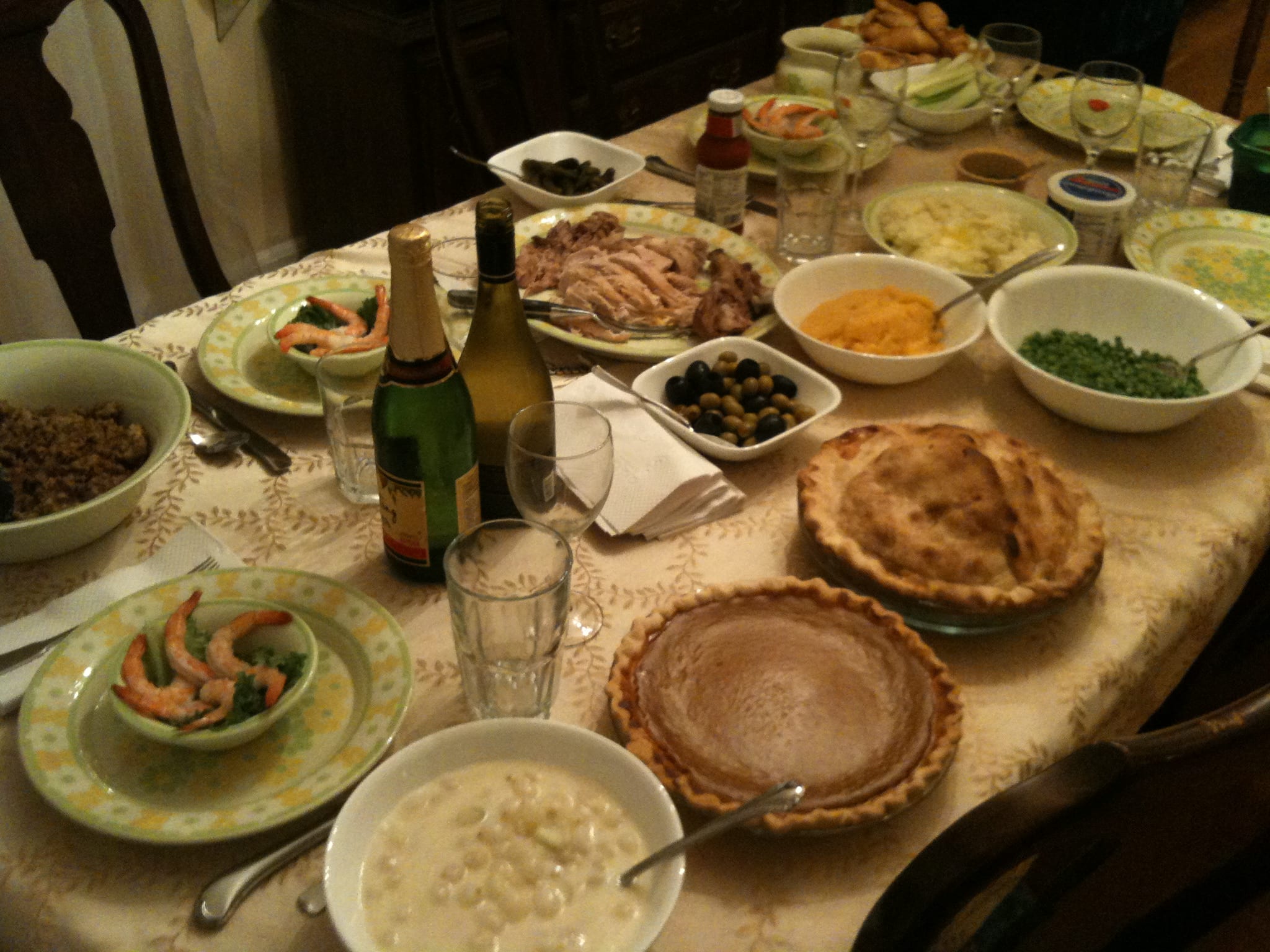
Thanksgiving is a time to gather around the table, share a good meal, and appreciate the people and traditions that make our communities special. Here in the San Luis Valley, it is also an opportunity to recognize something we sometimes take for granted: the remarkable amount of food produced right in our own backyard.
From potato fields stretching across the Valley floor to cattle grazing beneath the mountains, agriculture has shaped this region for generations. And while the Thanksgiving turkey may get most of the attention, some of the most familiar foods on our holiday tables have deep connections to the Valley's farms and ranches.
The Humble Potato: A Valley Thanksgiving Tradition
It would be difficult to imagine Thanksgiving dinner without a generous helping of mashed potatoes. Fortunately, potatoes are something the San Luis Valley knows a great deal about.
Our high elevation, sunny days, cool nights, and well-drained soils have made the Valley one of the nation's leading potato-growing regions. More than 70 varieties are grown here, and potato farming remains a cornerstone of the agricultural economy.
Around Center, Monte Vista, Hooper, and surrounding agricultural communities, generations of families have made their living growing, harvesting, packing, and shipping potatoes.
Among them is Jones Farm Organics near Hooper, a multigenerational family operation growing specialty organic potatoes and heritage grains. Its products are an example of the variety available beyond the familiar russet potato.
Whether mashed with butter, roasted with herbs, or baked into a cheesy casserole, Valley-grown potatoes deserve a place of honor at Thanksgiving dinner.
From Pastures to the Holiday Table
Although turkey is the traditional centerpiece of Thanksgiving, it is certainly not the only choice.
Across the San Luis Valley, ranching families raise cattle and other livestock, providing opportunities for families who prefer locally produced beef or a different holiday roast.
The region's livestock producers include smaller operations that emphasize pasture-raised meats and direct relationships with customers.
Near Del Norte, for example, Mariposa Ranch is listed in the San Luis Valley Local Foods Coalition's producer directory as raising grass-fed beef using regenerative grazing practices. Other Valley producers offer beef, yak, and specialty meats.
A slow-roasted beef dinner, a hearty pot roast, or even a yak roast can bring a distinctly San Luis Valley flavor to a holiday gathering.
Grains, Bread, and the Thanksgiving Basket
Potatoes and livestock may receive much of the attention, but grains are another important part of Valley agriculture.
Barley, wheat, rye, and other small grains are grown here, along with alfalfa and hay that support livestock operations. Barley has historically been an important crop, although acreage has declined in recent years.
These crops connect the Valley to the holiday table in different ways. Wheat and rye can become flour for bread, rolls, and baked goods, while barley can add substance to soups and hearty side dishes.
Some local businesses are helping keep that connection close to home. Tumbleweed Bread Company in Monte Vista, for example, makes naturally leavened breads and baked goods using predominantly San Luis Valley-grown grains.
A loaf of locally made bread beside the Thanksgiving turkey is more than a side dish. It represents another part of the Valley's agricultural story.
More Than Potatoes and Grain
The Valley's growing season may be short, but its farmers produce a surprising variety of foods.
Depending on the farm and season, locally grown products include carrots, squash, greens, onions, garlic, beets, quinoa, herbs, and other vegetables.
At the Rio Grande Farm Park in Alamosa, the Rio Grande Organic Growers Cooperative brings together small-scale growers producing a variety of vegetables. The San Luis Valley Local Foods Coalition also maintains a directory connecting residents with farms, ranches, and businesses offering local foods.
Many fresh vegetables are harvested well before Thanksgiving. Some can be stored, preserved, frozen, or otherwise enjoyed later in the year.
That means a holiday meal featuring locally grown potatoes, stored squash, fresh bread, and locally raised meat can reflect the Valley's harvest even as winter approaches.
The Work Behind the Harvest
It's easy to appreciate a good Thanksgiving dinner. It's less common to think about everything that happens before the food reaches the kitchen.
For Valley farmers, the growing season begins long before spring planting. Equipment must be maintained, fields prepared, irrigation systems checked, and decisions made about crops, seed, fertilizer, and water.
Throughout the summer, growers contend with unpredictable weather, fluctuating prices, rising expenses, and the ever-present challenge of securing enough water.
By autumn, harvest crews are working to bring crops out of the fields, while packing sheds, truck drivers, and agricultural businesses help move the harvest to market.
Ranchers face their own year-round responsibilities, caring for animals through summer heat, winter storms, and changing forage conditions.
The work rarely stops simply because a holiday arrives.
Recent reporting has also highlighted the financial challenges confronting Valley potato growers, reminding us that a successful harvest does not necessarily guarantee a profitable year.
Keeping More of the Harvest Close to Home
One of the simplest ways to recognize local agriculture is to buy local whenever possible.
That might mean purchasing potatoes grown near Center, ordering beef directly from a Valley ranch, buying bread from a local baker, or seeking out produce through a local food business.
The San Luis Valley Local Foods Coalition's Local Roots Guide is one resource for discovering area farmers, ranchers, food producers, and businesses: https://slvlocalfoods.org/local-roots-guide/.
Buying locally doesn't mean every ingredient on the Thanksgiving table must come from the Valley. Cranberries, for example, aren't a major local crop, and most families will still depend on grocery stores for many holiday essentials.
But choosing even one or two locally produced ingredients helps support the people and businesses that keep agriculture alive in our communities.
A Reason to Give Thanks
Thanksgiving has always been closely connected with the harvest. It is a celebration of food, family, and gratitude for what the land provides.
Here in the San Luis Valley, that connection remains especially meaningful.
Our agricultural heritage isn't something found only in history books or old photographs. It is visible every spring when tractors return to the fields, every summer when irrigation sprinklers sweep across green crops, and every fall when trucks carry the harvest toward storage facilities and markets.
It is reflected in the families who have worked the same land for generations and in the newer producers finding creative ways to grow food in our high-altitude environment.
So when you sit down for Thanksgiving dinner this year, take a moment to consider the people behind the food.
That helping of mashed potatoes may have started in a field just a few miles away. The bread may have been made with grain grown beneath the Sangre de Cristo Mountains. And the roast on the table may have come from a ranching family right here in the Valley.
From Valley fields to Thanksgiving tables, there's a great deal to be thankful for—and much of it begins close to home.
|
0 Comments
Join the conversation
Be the first to comment
Share your thoughts above.