Farm to School Grows in the San Luis Valley |
Local food programs connect students with Valley agriculture, school meals and food education |
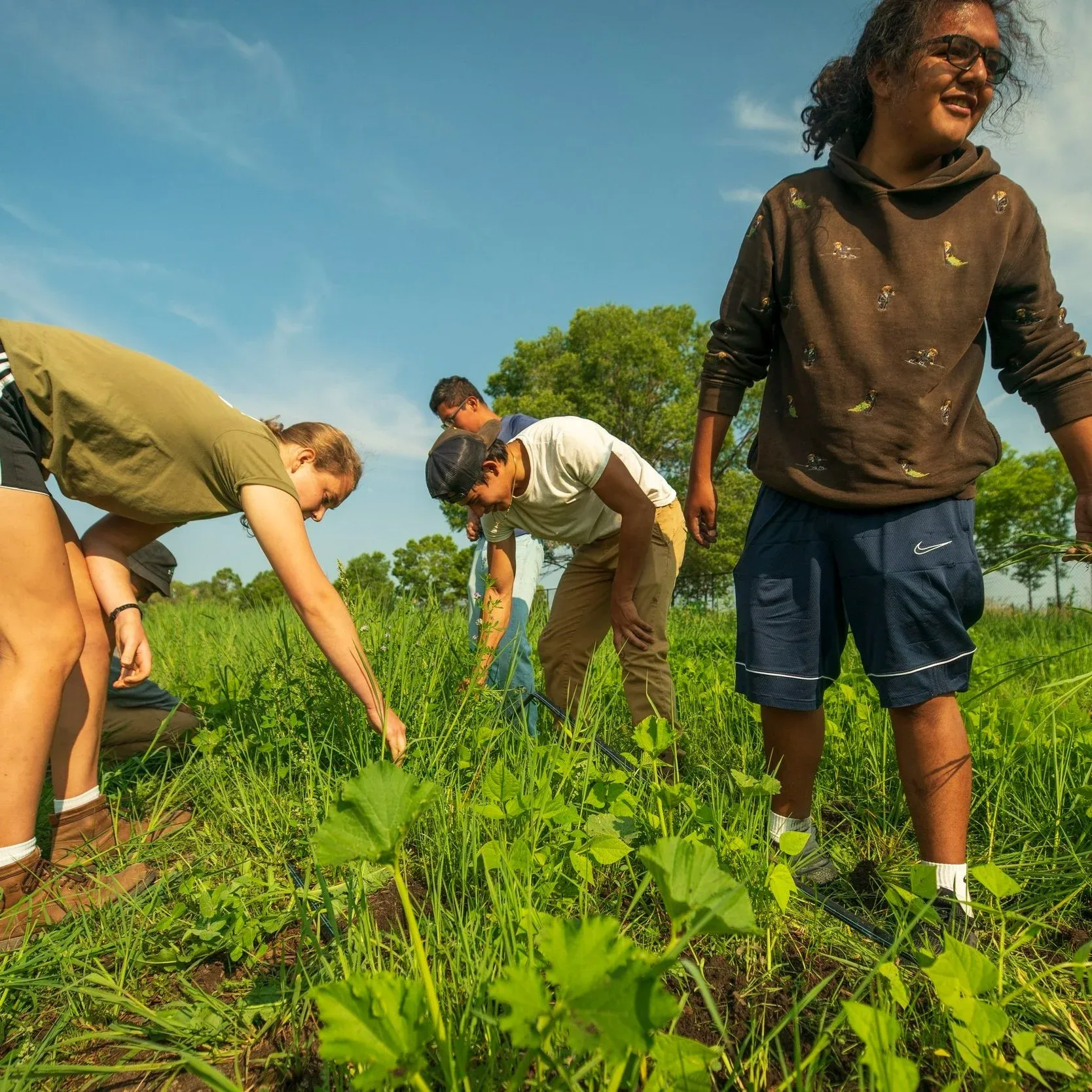
SAN LUIS VALLEY — In a region where agriculture has shaped communities for generations, Farm to School efforts are strengthening the connection between the people who raise food and the children who eat and learn here.
Across the Valley, the idea reaches beyond simply placing a local vegetable on a cafeteria tray.
It can mean helping schools buy more Colorado-grown food, introducing students to unfamiliar produce, creating hands-on agricultural lessons and showing young people that some of what feeds their community begins in fields close to home.
That connection is especially timely in October, recognized nationally as Farm to School Month.
San Luis Valley Farm to School efforts have roots stretching back to 2009, when representatives from 14 school districts came together around a regional approach to connecting schools with local food.
The work has continued through partnerships involving schools, farmers, food organizations and community programs.
Today, the San Luis Valley Local Foods Coalition works with schools as they navigate Colorado's Healthy School Meals for All program and look for opportunities to purchase more food grown in Colorado and the Valley.
For rural schools, buying locally is not always as simple as calling the farm down the road.
School food programs need dependable quantities, delivery schedules, food-safety practices and purchasing systems that fit institutional requirements.
That is where regional food networks can help turn the idea of local purchasing into something schools can actually use.
The Valley Roots Food Hub in Mosca helps connect producers with institutional and wholesale buyers, creating a bridge between individual farms and customers that may need food in larger or more consistent quantities.
That kind of system can benefit both sides.
Schools gain another avenue for finding regional products, while growers gain access to markets beyond farm stands and farmers markets.
Another piece of the Farm to School story is taking shape at the Rio Grande Farm Park in Alamosa.
During 2026, the Farm Park reported that its education coordinator was developing a Farm to School curriculum for the property with support from the USDA's Patrick Leahy Farm to School Grant Program.
The curriculum is intended to become part of the Farm Park's educational programming and build on work already underway to connect young people with agriculture and local food.
That matters because Farm to School is as much about learning as it is about lunch.
Students can encounter agriculture through field trips, gardens, tastings, classroom lessons and conversations about how food moves from soil to harvest to kitchen.
In the San Luis Valley, those lessons have a natural backdrop.
Children grow up surrounded by fields, irrigation systems, potato warehouses, ranches and farm equipment, yet seeing agriculture every day does not automatically explain how a food system works.
A school meal can become an unexpected classroom when students know who grew an ingredient and where it came from.
The Valley has already seen examples of that approach.
South Conejos School District previously partnered with Valley Roots Food Hub on produce tastings that gave students a chance to try foods while also learning about the farms and farmers behind them.
Students could see where products originated within the San Luis Valley, turning a tasting into a geography and agriculture lesson at the same time.
For local producers, the potential value of these connections goes beyond education.
The Rio Grande Farm Park reported that its Rio Grande Growers Co-Op produced more than $70,000 worth of food in 2025 for farmers markets, small grocery stores, local schools and food banks.
That figure illustrates how local food can move through several channels rather than depending on a single type of customer.
Schools can be part of that local marketplace, particularly when producers, distributors and food-service staff can coordinate around what is available and when.
Seasonality is an unavoidable part of the equation in the high-altitude San Luis Valley.
The growing season, storage capacity and timing of school menus all influence what can realistically be purchased close to home.
Potatoes and other storage crops may fit institutional purchasing differently than highly seasonal produce, while food hubs and coordinated purchasing can help schools work with what local growers have available.
Farm to School also introduces students to the many jobs hidden behind a meal.
Food requires growers, ranchers, irrigation knowledge, soil management, harvesting, packing, transportation, storage, purchasing and cooking.
For students considering their futures, those connections can broaden the idea of what an agricultural career looks like.
They can also reinforce something the San Luis Valley has long understood: agriculture is not an isolated industry.
It is tied to schools, businesses, water, transportation, families and the economic health of rural communities.
Keeping even a portion of school food purchasing closer to home can strengthen those relationships while giving students a clearer picture of the Valley around them.
There are challenges, and Farm to School is not a promise that every item on every cafeteria tray can or should come from a nearby farm.
Availability, price, federal and state requirements, staffing and logistics all matter.
But the broader goal is more practical: create more opportunities for local food to reach local students when it makes sense, and use those opportunities to teach.
That approach has particular meaning in a place that produces food for people far beyond its own boundaries.
The San Luis Valley is known nationally for agricultural production, yet Farm to School brings the focus back to the children growing up among those farms.
It asks them to look at lunch differently — not simply as food on a tray, but as the end of a long chain of work, land, water and people.
Nearly two decades after Valley school districts began organizing around Farm to School, the work continues to evolve.
New curriculum, stronger food networks and continued school partnerships are creating additional ways for agriculture and education to meet.
And perhaps the simplest lesson remains the most important.
Food does not begin at the grocery store.
For San Luis Valley students, sometimes it begins in a field just down the road. |
11 Comments
Join the conversation
I hope the schools ask cafeteria staff what local foods they can realistically prepare. A good plan has to work in the kitchen as well as on the farm.
I like that the Farm Park curriculum could show students the jobs behind growing food. Packing and transportation matter here too, and kids may not hear much about those careers.
kim_87Yes, a visit to a potato warehouse would open some eyes. There are a lot of jobs between the field and the cafeteria.
The Rio Grande Growers Co-Op produced quite a bit of food last year, but it serves several kinds of buyers. I am curious how much actually reached local schools.
Storage crops seem like the practical place to start with our short growing season. Local potatoes on the menu more often would be a nice way to support Valley growers.
That’s a practical point. Potatoes and other storage crops may be easier to fit into school menus year-round, provided growers and food-service teams can coordinate quantities and delivery.
Buying local sounds good, but I would like to see what it costs schools compared with their usual suppliers. Cafeteria budgets are tight already.
Brian S.I'd like to see those numbers too, especially once delivery costs are included. Schools need to know what they can afford year after year.
My kids have seen potato trucks their whole lives, but they could still learn a lot about how food gets to their lunch trays. I hope the Farm Park lessons include field trips.
Valley Roots Food Hub in Mosca seems like a useful link between farms and schools. Getting enough food delivered on a school schedule takes more planning than people realize.
The produce tastings at South Conejos sound like a good way to get kids to try something new. I wonder which foods the students liked best.