
Bears Are on the Move in the San Luis Valley |
New Colorado Law Targets Unsecured Trash |
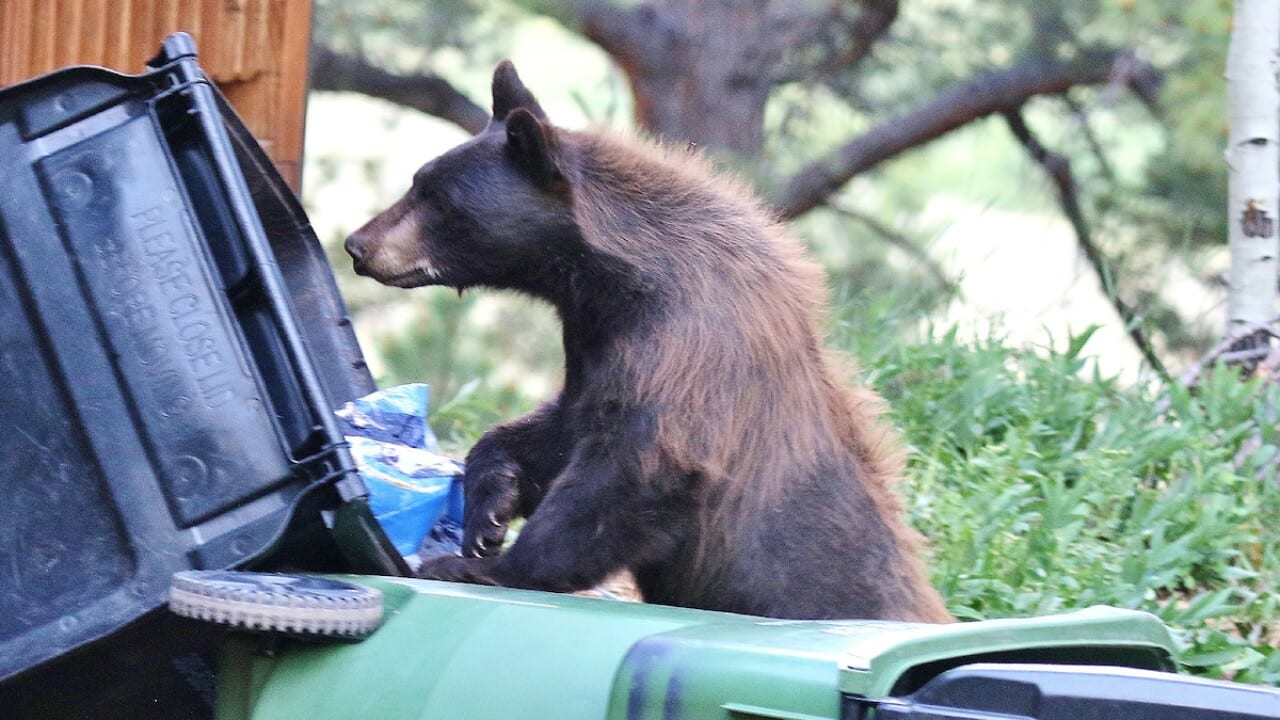
Black bears have always been part of life in the San Luis Valley, but this summer residents have an extra reason to pay attention to what they leave outside.
Colorado's new bear-attractant law took effect August 12, strengthening the state's ability to penalize people who leave food and edible waste where bears can get to it.
The timing is significant. Bear activity has increased sharply across Colorado this year as drought and poor natural food conditions send bears searching farther for something to eat. Colorado Parks and Wildlife has received thousands of reports of bear activity in 2026, considerably more than during the same period last year.
For communities in and around the San Luis Valley, the message is simple: secure the trash and remove anything that might turn a passing bear into a returning visitor. What the New Law Actually Says
House Bill 26-1342, signed by Gov. Jared Polis on May 27, changes Colorado's existing law concerning the luring of bears.
Previously, the law focused on intentionally placing food or edible waste outside to attract a bear. The new law lowers that threshold. A person can violate the law by knowingly leaving food or edible waste in the open under circumstances where there is a reasonable probability that it will lure a wild bear.
The new law also eliminates the automatic warning previously required for a first violation. Penalties become considerably more serious for repeated violations. A third or subsequent offense can now carry a fine of as much as $5,000, up from the previous maximum of $2,000.
The law does not simply say that every Colorado resident must purchase a special bear-resistant garbage can. Instead, the responsibility is on residents to keep food waste and other attractants from being accessible to bears. Local ordinances may impose additional requirements. Bears Don't Need Much Encouragement
A garbage can can smell like dinner to a bear.
Colorado Parks and Wildlife warns that bears have excellent memories when it comes to finding food. A bear that successfully gets into household garbage may return to the same house — and neighboring homes — looking for another meal.
That's when a wildlife sighting can become a wildlife conflict. Bears that repeatedly obtain food around people can lose their natural fear of humans. They may damage garbage containers, sheds, garages and vehicles while searching for food. Eventually, a food-conditioned bear may have to be relocated or, in serious cases, euthanized.
That's why the familiar saying "a fed bear is a dead bear" isn't only about deliberately feeding wildlife. Allowing a bear access to garbage can have the same result. The Issue Has Already Reached the Valley
The Town of Crestone issued a bear-safety reminder earlier this month specifically warning residents about attractants.
The town advised residents to keep garbage indoors or in a bear-resistant container until the morning of collection whenever possible. Officials also reminded residents that bird feeders, pet food, livestock feed, barbecue grills and other strongly scented items can attract bears.
Crestone's warning reflects a reality throughout bear country in the San Luis Valley: bears don't recognize town limits. Homes near foothills, wooded areas, river corridors and open country can all receive unexpected visitors, particularly when natural food is scarce. What Residents Can Do
Colorado Parks and Wildlife recommends keeping garbage inside a closed garage, shed or other secure structure whenever possible and putting it outside only on the morning of collection.
If garbage must remain outdoors, a properly secured wildlife-resistant container is the safer choice. Make sure lids and locking mechanisms are completely closed — a bear only needs to succeed once to remember where it found an easy meal.
Other potential attractants deserve attention as well. Pet food should be brought inside, grills should be cleaned after use, and bird feeders should not be left where bears can reach them. Food scraps, coolers and other strongly scented items should also be secured.
Campers face the same responsibility. CPW recommends using bear-resistant dumpsters and food lockers where available and keeping food, garbage and scented items secured when they aren't being used. A Difficult Year for Colorado's Bears
This isn't simply a matter of bears suddenly becoming more aggressive.
Colorado's dry conditions can reduce some of the natural foods bears depend on. As those resources become harder to find, bears may travel farther and take greater risks looking for calories. Late summer and fall are especially important. Bears enter a period known as hyperphagia as they prepare for winter, spending much of their time eating and attempting to build the fat reserves necessary for hibernation.
A garbage can filled with food scraps can provide an enormous reward for very little effort. Once a bear discovers that reward, convincing it to return to natural foods becomes much more difficult. Keeping Valley Bears Wild
Seeing a black bear in the San Luis Valley can be a memorable experience. Having one repeatedly empty the neighborhood's garbage cans is another matter entirely.
The new Colorado law puts more responsibility on people to prevent that from happening. Securing garbage isn't just about avoiding a possible fine. It's about protecting homes and neighborhoods — and protecting the bears themselves.
As bear activity increases across Colorado this summer, a little extra attention to what we leave outside could make the difference between a bear passing quietly through the neighborhood and one learning to come back for dinner. |
0 Comments
Join the conversation
Be the first to comment
Share your thoughts above.