Frank V Flohr
Jun 16, 2026
ISSUE #20 · TUESDAY, JUNE 16, 2026
Saddle Up! The Chute Out Returns, Bison Are Coming Home, & Valley Quinoa Is in Your PantryDel Norte's untold origin story, a Conejos County legend since 1995, and the most unique gallery in the state TRIVIA QUESTION ❓
Which San Luis Valley town was plotted using a mariner’s compass brought all the way from Scotland — and went on to become the county seat of a brand-new Colorado county just three years after its founding? |
Happy Tuesday, Valley neighbors! Issue #20 is here, and I've got stories this week that I guarantee you haven't read anywhere else.
We're diving into the remarkable return of bison to the San Luis Valley — from a 1,600-head conservation herd near the Sand Dunes to a fifth-generation Conejos County family that made the switch from cattle to buffalo.
We're also telling the untold story of Valley quinoa: how a Saguache County farmer was growing it commercially before most Americans could spell it, and what happened when a tiny fly tried to take it all away.
I'm also sharing some of my favorite day trips from the Valley — a few of these destinations feel like going home.
Plus the history behind Del Norte and a Conejos County steakhouse that's been packing them in for over 30 years.
Let's get into it. 🌄 |
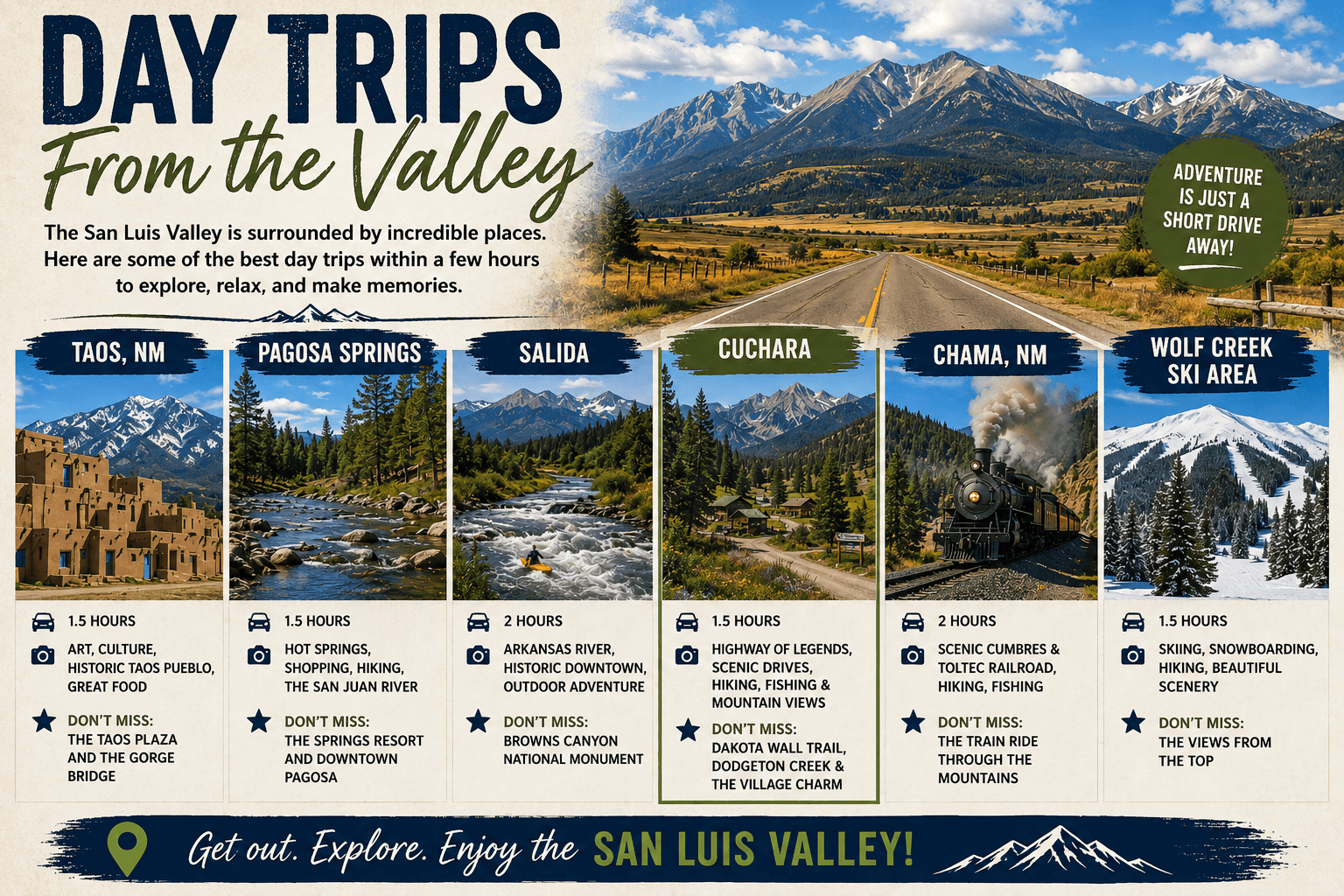
The San Luis Valley offers an unbeatable gateway to a variety of inspiring destinations, each just a short drive away.
From the historic streets of Salida—a lively town nestled along the Arkansas River with welcoming shops and a vibrant arts scene—to the golden aspen vistas around La Veta and Cuchara, there’s something for everyone.
A fall drive toward the Spanish Peaks is especially breathtaking, with brilliant colors and peaceful mountain communities like Cuchara that seem untouched by time.
The annual Oktoberfest in La Veta captures true small-town spirit and brings visitors together from throughout southern Colorado.
Other favorite adventures include exploring Taos’s rich culture, soaking in Pagosa Springs, or riding the historic Cumbres & Toltec Scenic Railroad in Chama.
For San Luis Valley residents, unforgettable day trips are always close by—offering adventure, beauty, and the simple joy of discovery. Read More... |
 |
This newsletter sponsored by Dos Hermanas |
Mexican/American Steakhouse |
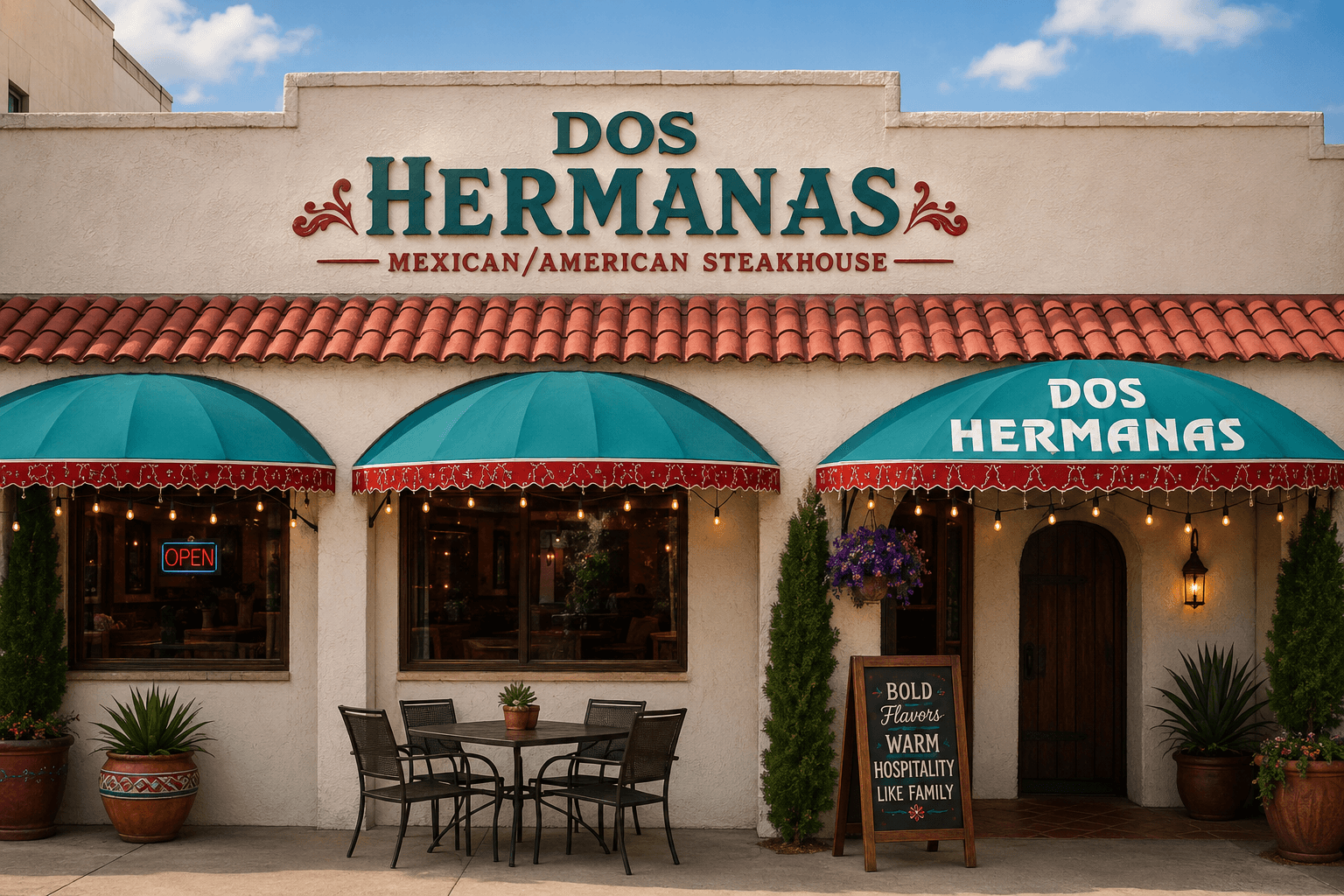
If you've ever driven through Antonito on your way to the Cumbres & Toltec Scenic Railroad and wondered where the locals eat, the answer is almost always the same: Dos Hermanas. Since 1995 — over 30 years — this family-owned gem on Main Street has been the go-to spot in Conejos County for authentic Mexican food and sizzling steaks that would hold their own anywhere in Colorado.
The menu hits all the classics done right: green chile, enchiladas, tamales, and steaks cooked the way you want them. It's the kind of place where the staff knows their regulars, the portions are honest, and you leave feeling like you actually ate. When you're this far south in the Valley, there's no reason to settle for anything less.
📍 435 Main Street, Antonito, CO 81120 📞 (719) 376-5589 🕐 Mon–Thu: 11:00 AM – 9:00 PM | Fri–Sat: 11:00 AM – 10:00 PM | Sun: 11:00 AM – 8:00 PM
Tell them The San Luis Valley Beat sent you! 💛 |
|
 |
 |
Preserving the stories of places time forgot. |
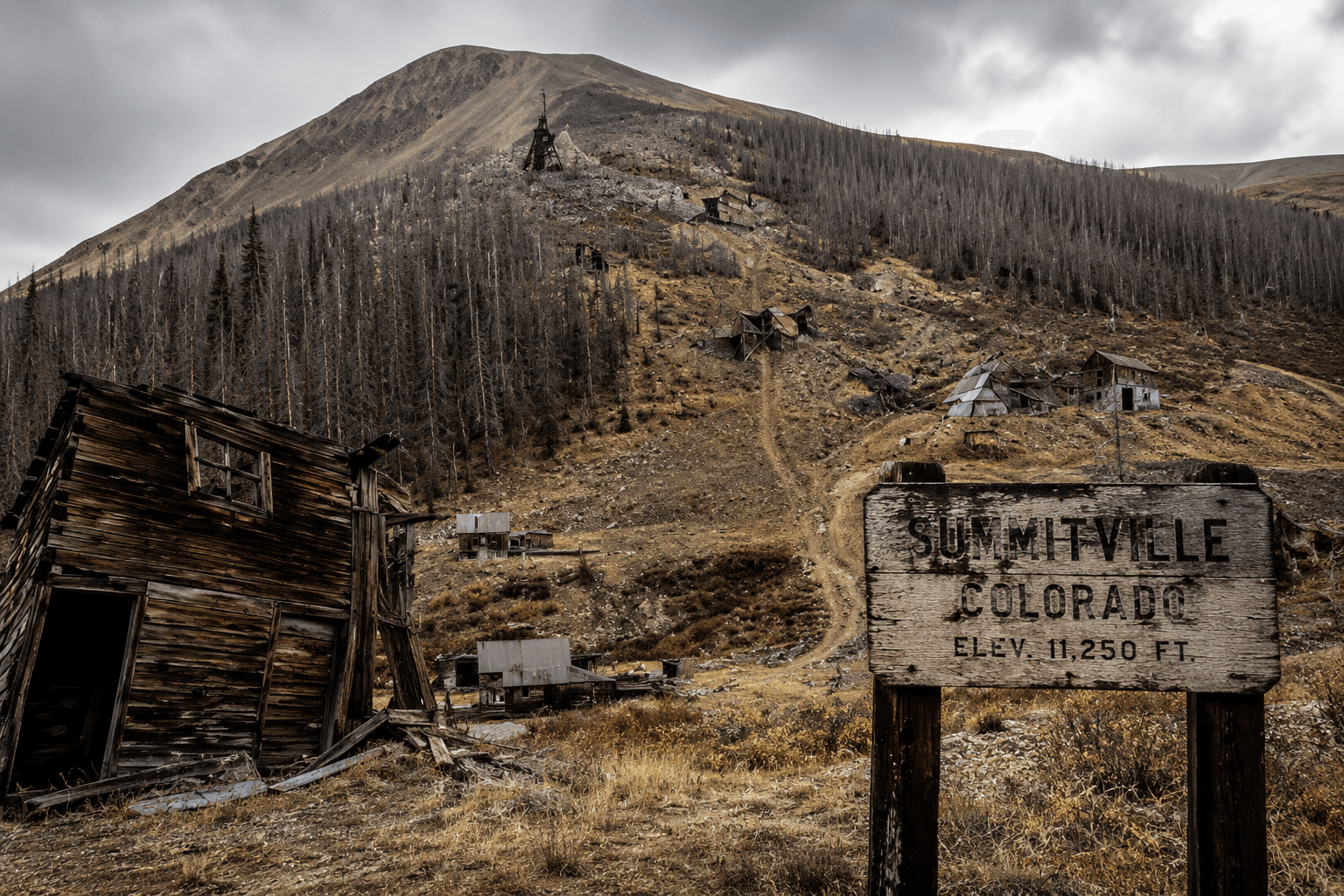 |
Summitville: Colorado's Highest Ghost Town — and Its Most Cautionary Tale
At 11,400 feet in the San Juan Mountains of Rio Grande County, Summitville sits higher than any operating town in the San Luis Valley — a windswept, frost-locked place where the ruins of two different eras of human ambition stand side by side on the same mountain. The first era was the gold and silver rush of the 1870s. The second was a modern mining company that abandoned the mountain overnight in 1992, leaving behind one of Colorado's worst environmental disasters and a cleanup bill that is still being paid.
The original Summitville camp appeared in 1870 when prospectors discovered rich gold deposits in the high San Juans southeast of Creede. For several years in the 1870s and again during revivals in the 1880s and early 1900s, Summitville was a genuine boomtown — complete with ore mills, saloons, boarding houses, and the particular electric optimism of people who believed they'd found something lasting. The South Mountain district produced millions in gold before the ore played out and the camp fell quiet for decades.
It might have remained a footnote in Colorado mining history if a Canadian company called Galactic Resources hadn't arrived in the 1980s with a new plan. Using the then-modern technology of cyanide heap-leach processing — a method that dissolves gold from crushed ore using a cyanide solution — Galactic blasted open a massive open pit at the site of the old camp and began operations in 1986. State regulators were not fully prepared for what they were permitting at 11,400 feet, where any spill would drain directly into the headwaters of the Alamosa River and downstream into the Rio Grande.
Cyanide leakage from the operation was contaminating the Alamosa River almost from the start. Then in December 1992, as cleanup costs mounted and profits evaporated, Galactic Resources declared bankruptcy and walked away — overnight, during a Colorado winter, leaving the containment ponds unattended. The State of Colorado and the EPA moved in immediately. The Alamosa River fish kill stretched for 17 miles. By 1994, Summitville was on the EPA Superfund list, and the cleanup cost ultimately exceeded $200 million — most of it paid by Colorado taxpayers.
Today, the cleanup continues. The ruins of the 19th century mining camp share the mountainside with the massive earthworks, pits, and infrastructure left behind by Galactic. Getting there requires a four-wheel-drive journey up a rough mountain road that's impassable much of the year. Summitville is not a comfortable story. But it is an important one, and it belongs in any honest account of where the San Luis Valley's water comes from and what it has been through.
"At 11,400 feet, every mistake runs downhill — straight into the river that gives this valley its name."
|
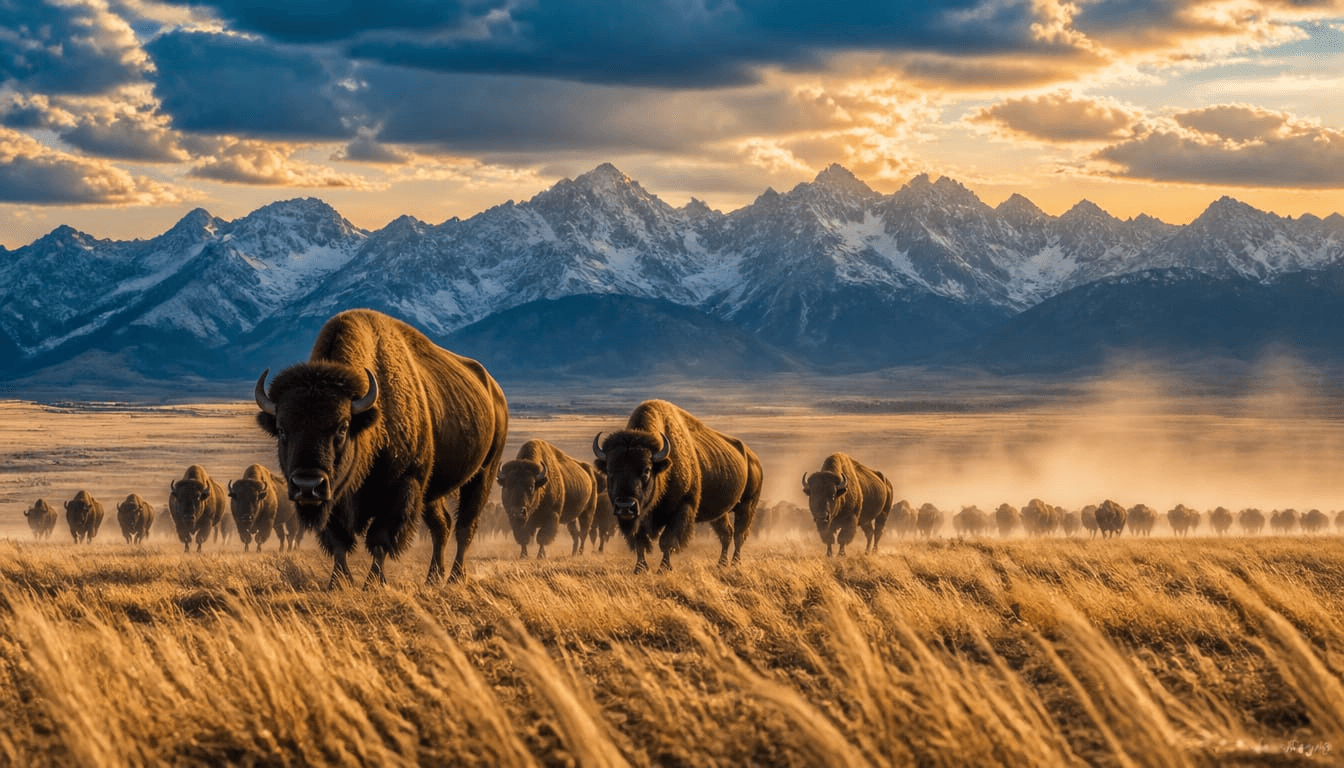
Long before Colorado had a name, the San Luis Valley was home to vast herds of ancient bison, sharing the land with the Ute people.
By 1890, these iconic animals vanished from the region, but now, they're making a powerful comeback.
Just east of Alamosa, Zapata Ranch manages one of the West’s most important wild bison herds — about 1,600 animals roam freely across 44,000 acres under The Nature Conservancy’s care, living as their ancestors did.
Each year, the team monitors and tests genetics to eliminate traces of cattle DNA introduced during near-extinction in the 1800s.
Only a handful of bison now carry cattle genes, making this herd critical for future conservation efforts, including a proposal to reintroduce bison to Great Sand Dunes National Park.
Meanwhile, La Jara’s Valdez family has launched Big River Bison, a 1,500-acre grass-fed operation, helping return this iconic species to the Valley’s heart. Read More... |
 |
San Luis Valley Behavioral Health Group — Serving All Six Counties
Mental health care in rural Colorado is hard to come by, which makes the San Luis Valley Behavioral Health Group (SLVBHG) all the more essential. This Alamosa-based nonprofit provides comprehensive mental health and substance use services across all six counties of the Valley — Alamosa, Conejos, Costilla, Mineral, Rio Grande, and Saguache — making sure that geography is never a barrier to getting help.
SLVBHG offers outpatient therapy, crisis services, medication management, and substance use treatment, all designed for the realities of rural life. For many Valley families, they're the only option — and they show up for that responsibility every day.
📍 1391 Vista Avenue, Alamosa, CO 81101 |
 |
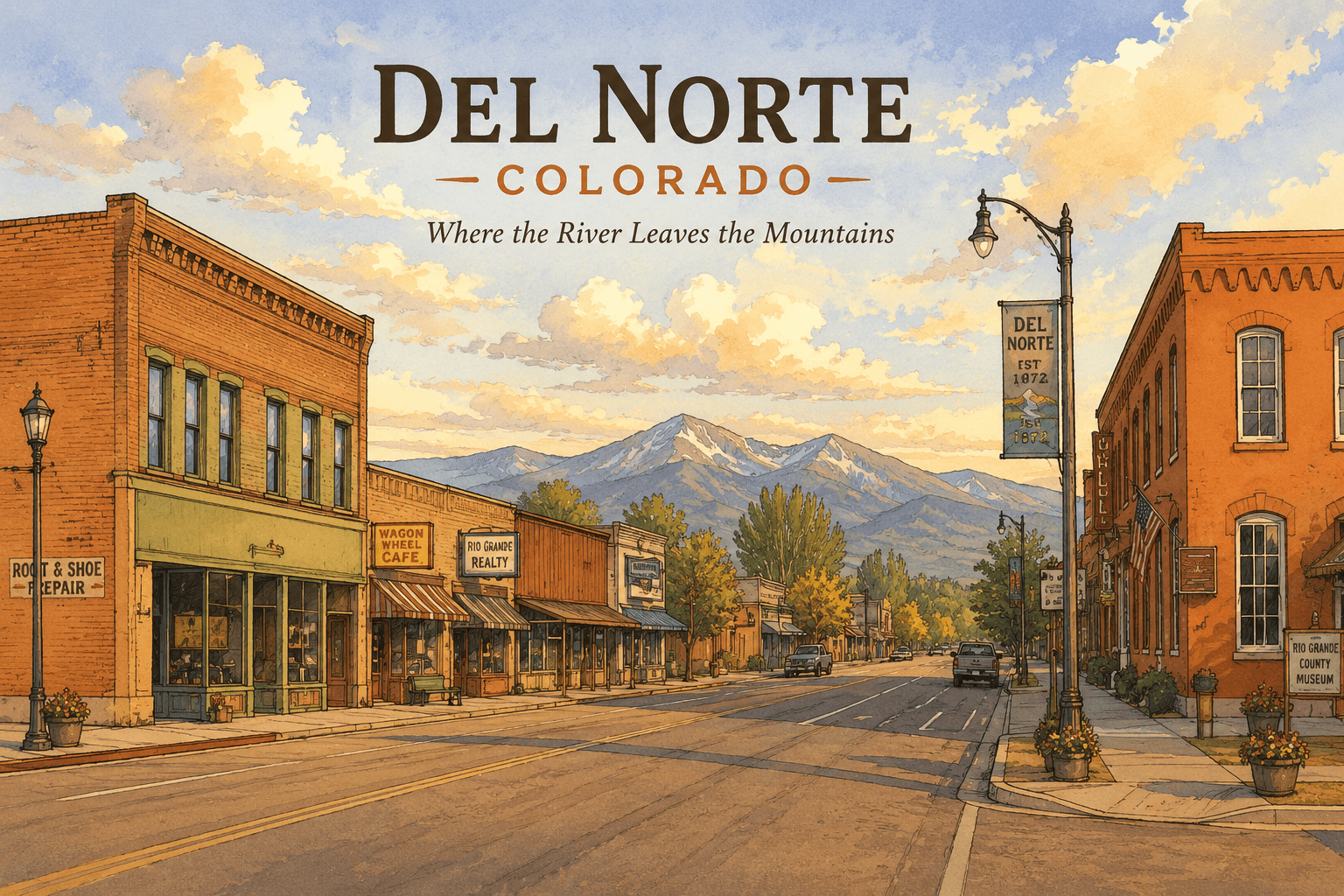 |
Where the River Leaves the Mountains: The Story of Del Norte
Del Norte sits at the point where the Rio Grande finally tumbles out of the San Juan Mountains and spreads across the Valley floor. At 7,874 feet, this quiet county seat of Rio Grande County has been a crossroads of the Valley since the moment gold was discovered in the nearby mountains in 1870.
The town was formally platted in 1871 by J. Cary French and a small group of men who used a mariner's compass — brought all the way from Scotland — to lay out the streets. Three years later, when Colorado created Rio Grande County on February 10, 1874, Del Norte was named the county seat. It has held that designation ever since.
Del Norte grew up as a supply and financial hub for the mining camps exploding in the San Juans to the west. Silver and gold poured out of places like Creede, Summitville, and Lake City, and much of it passed through Del Norte's banks, stores, and freight operations. The town's late 19th-century commercial buildings still line its main streets, giving Del Norte a quiet architectural dignity you don't often find in towns this size.
Today Del Norte is best known as the home of the Rio Grande County Museum, the Music in the Park summer concert series (Thursdays, June through July — free!), and some of the finest fly fishing access on the Rio Grande. It's also the western gateway to Wolf Creek Ski Area, making it a four-season town in every sense.
🧠 Did You Know? Del Norte's name means "of the north" in Spanish — a reference to the Rio Grande del Norte, the river's full Spanish name, which translates to "Great River of the North." |
 |
 |
Creede Chute Out Rodeo Returns for Another Summer of Western ActionEvery summer, Wednesday nights in Creede take on a distinctly Western flavor as the Creede Chute Out Rodeo brings cowboys, cowgirls, and spectators together for one of the San Luis Valley's most popular seasonal traditions. Held at the Mineral County Fairgrounds, the Chute Out combines rodeo action, live music, food vendors, and family-friendly entertainment against the stunning backdrop of the San Juan Mountains. From bull riding and barrel racing to breakaway roping and crowd-favorite events like mutton bustin' and calf scrambles, there's plenty of excitement packed into every performance. The rodeo series runs throughout the summer, giving both locals and visitors multiple opportunities to experience authentic Colorado rodeo culture in one of the state's most scenic mountain communities. Pre-event festivities begin in the late afternoon, with rodeo action taking center stage in the evening. Whether you're a longtime rodeo fan or simply looking for a memorable summer outing, the Creede Chute Out Rodeo offers a chance to experience the traditions, community spirit, and rugged Western heritage that continue to thrive in the San Luis Valley. For many visitors, it's more than a rodeo — it's a summer tradition. 2026 Rodeo Dates:
June 17 • June 24 • July 4 • July 15 • July 22 • July 29 (Finals) |
 |
Vintage Motocross Returns to Mosca June 28
The Rocky Mountain Vintage Motocross Club will bring Round 3 of its 2026 racing season to Mosca MX Park on Sunday, June 28. Riders from across Colorado and the Rocky Mountain region will compete on everything from beautifully restored 1970s motocross bikes to modern machines in a family-friendly day of racing.
Practice begins at 9 a.m., with racing scheduled to start at 10 a.m. The event offers a rare opportunity to see classic motocross motorcycles in action right here in the San Luis Valley.
Community Submission: This event was brought to our attention by a San Luis Valley Beat reader. We love hearing about local events, organizations, fundraisers, and activities happening around the Valley. If there is something you would like us to know about, mailto:editor@thesanluisvalleybeat.com |
 |
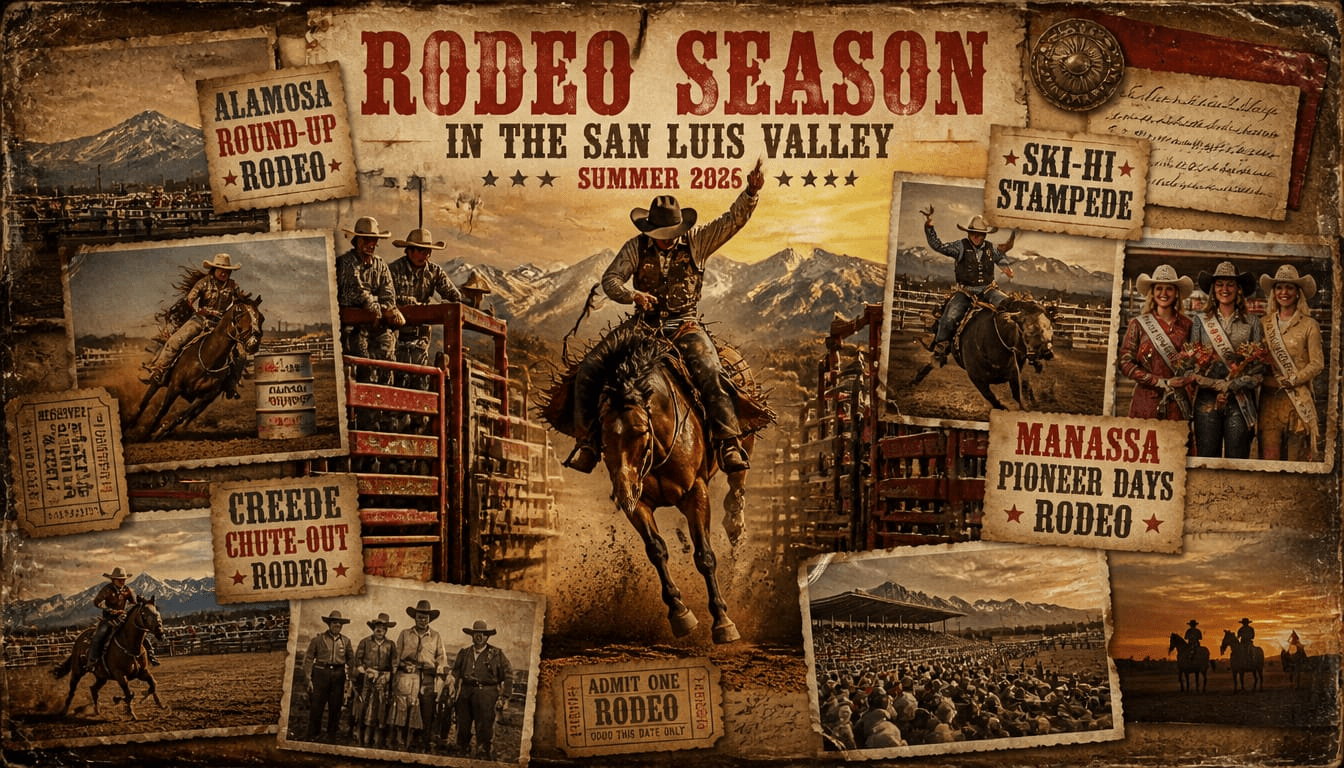
Rodeo is a time-honored tradition in the San Luis Valley, bringing together communities across southern Colorado each summer.
From the historic Alamosa Round-Up to the legendary Ski-Hi Stampede in Monte Vista, locals and visitors gather to witness daring rides, thrilling competitions, and cherished traditions passed down for generations.
Highlights this year include the action-packed Alamosa Round-Up, which kicks off June 20 with a demolition derby and continues with PRCA rodeo action and live music.
The Ski-Hi Stampede, Colorado’s oldest continuous professional rodeo, lights up Monte Vista in July, while Manassa Pioneer Days adds small-town fun and heartfelt community spirit shortly after.
Creede’s Chute-Out Rodeo series offers a unique mountain backdrop and a family-friendly atmosphere.
Whether you’re a seasoned fan or new to the arena, rodeo season connects the Valley to its western heritage and promises unforgettable summer nights under the lights. Read More... |
Tip of The Day
The Creede Chute Out Rodeo kicks off its summer series this Wednesday, June 17 at the Mineral County Fairgrounds — gates open at 4:30 PM, rodeo starts at 6:30 PM. Advance tickets are just $15 for adults. Buy online and skip the gate line. |
Small Business Spotlight |
Crestone Artisans Gallery — Crestone |
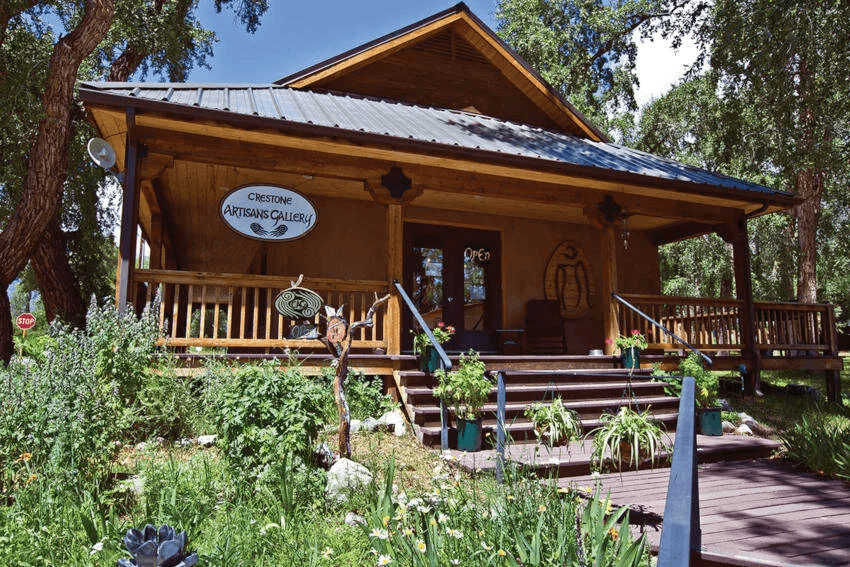
If you've never made the drive up to Crestone, here's your reason to go: the Crestone Artisans Gallery, a cooperative showcase where every single artist is local, and every artist helps run the place. Nestled in one of the most spiritually and creatively charged small towns in the American West, this gallery is a true reflection of the community around it — eclectic, deeply talented, and unlike anything you'll find anywhere else in the Valley.
The work spans painting, pottery, fiber arts, jewelry, photography, sculpture, and more. Since the artists run the gallery themselves, you're often talking directly with the person who made what you're looking at — which makes every visit feel more like a studio experience than a typical gallery stop.
📍 120 South Cottonwood Street, Crestone, CO 81131
Tell them The San Luis Valley Beat sent you! 💛 |
|
 |
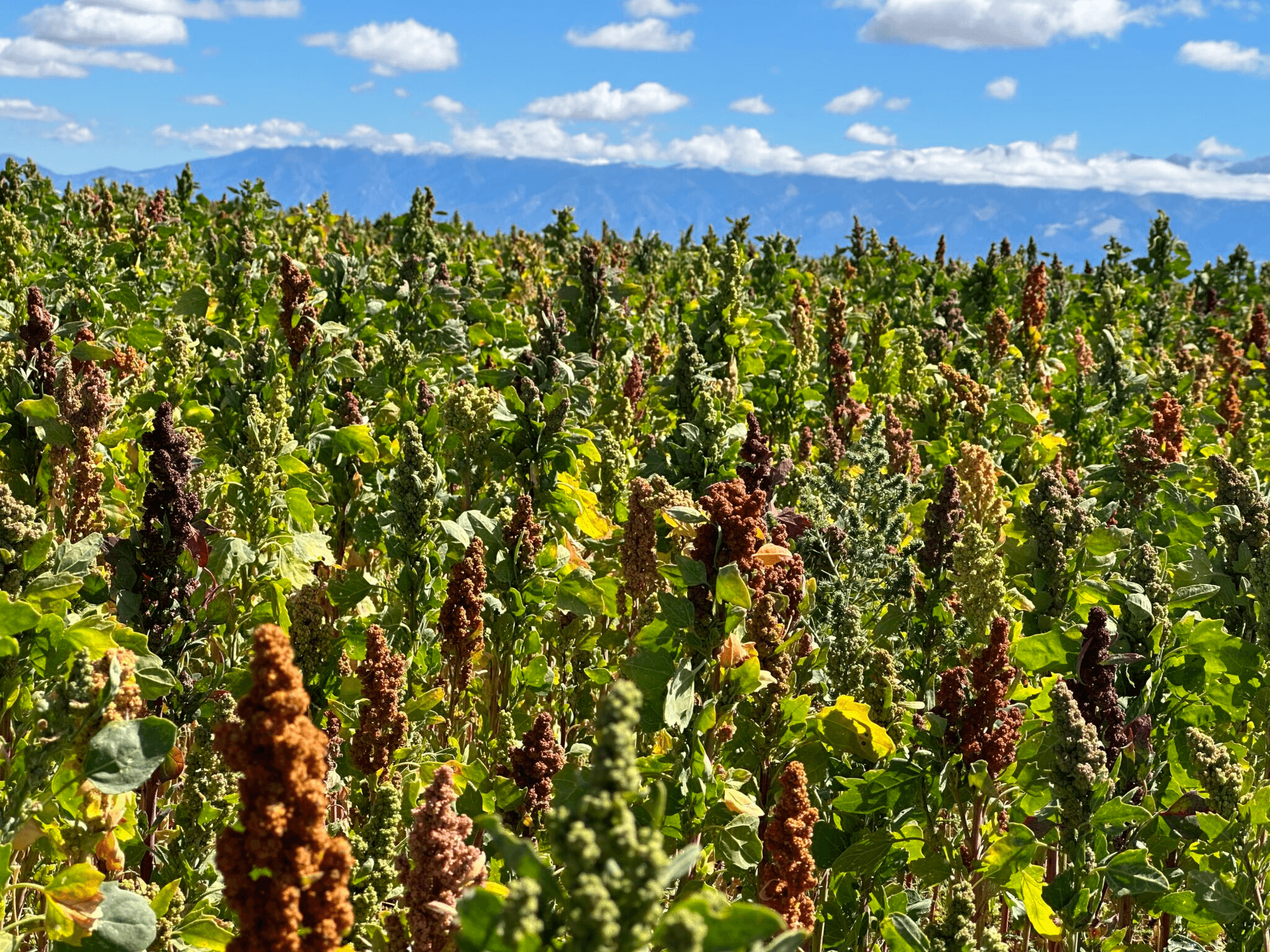
In 1987, Saguache County farmer Paul New pioneered North America’s first commercial quinoa crop.
Near Moffat, New recognized early on that quinoa’s resilience—adapted to the high Andes—matched perfectly with the San Luis Valley’s altitude, short growing season, and chronic drought.
By the 2010s, New and partner Sheldon Rockey were cultivating nearly 3,000 acres and had joined forces with Ardent Mills to market their Colorado Quinoa nationwide, turning the Valley into a hub for this now-famous grain.
But in 2020, a devastating stem-boring fly infestation slashed yields, causing Colorado quinoa acreage to plunge to just 900 by 2022.
Despite setbacks, farmers and researchers remain determined to preserve this unique crop.
Today, the San Luis Valley stands as one of North America’s last outposts for homegrown quinoa, keeping the Colorado Quinoa legacy alive on grocery shelves nationwide. Read More... |
 |
 |
 |
San Luis Valley Carne Adovada
Carne Adovada — slow-braised pork in a deep red chile sauce — is one of the great dishes of the southern Colorado and New Mexico culinary tradition. Serve it with warm flour tortillas, pinto beans, and rice, and you've got a meal that tastes like the Valley itself.
INGREDIENTS
INSTRUCTIONS
|
 |
 |
💡 ANSWER TO TRIVIA QUESTION: . Del Norte! In 1871, J. Cary French and a small group of founders plotted the town using a mariner's compass brought from Scotland — . Del Norte was incorporated in December 1872 and named county seat of the newly created Rio Grande County in 1874. It's been the heart of Rio Grande County ever since. |