
Frank V Flohr
Jun 30, 2026
ISSUE #22 · TUESDAY, JUNE 30, 2026
Why More Families Are Choosing Small-Town Life, the Valley's UFO Legacy & the Crisis Happening Under Our FeetA Polish deli in Blanca, Colorado's oldest church has 46 neighbors, and the ghost town nobody could reach 🛸🌊🏡 TRIVIA QUESTION ❓
What tiny Conejos County town — with a current population of just 46 — is home to Colorado's oldest Catholic church AND holds the distinction of being the last unincorporated county seat in the entire state? |
Happy Tuesday, Valley neighbors! Issue #22 is here, and this week we're telling stories that go in every direction — up into the sky, down into the earth, and right into the heart of why people keep choosing to build their lives here.
We're looking at a real shift happening across the country: families trading city life for small towns, and the San Luis Valley is showing up on radars it never used to.
We're also diving into one of the Valley's most enduring mysteries — why this particular stretch of high desert has been reporting unexplained things in the sky since before Colorado was a state, and the cattle rancher near Hooper who turned that into something remarkable.
And we're going underground, where the water story most Valley residents don't fully know is playing out beneath every field and farm in the region.
Plus: a Polish deli in Blanca that has no business being this good, a scratch kitchen in South Fork that's winning over the locals, Colorado's oldest church in a town of 46 people, and a ghost town in Conejos County that was too remote to survive its own success.
Let's get into it. 🌄 |
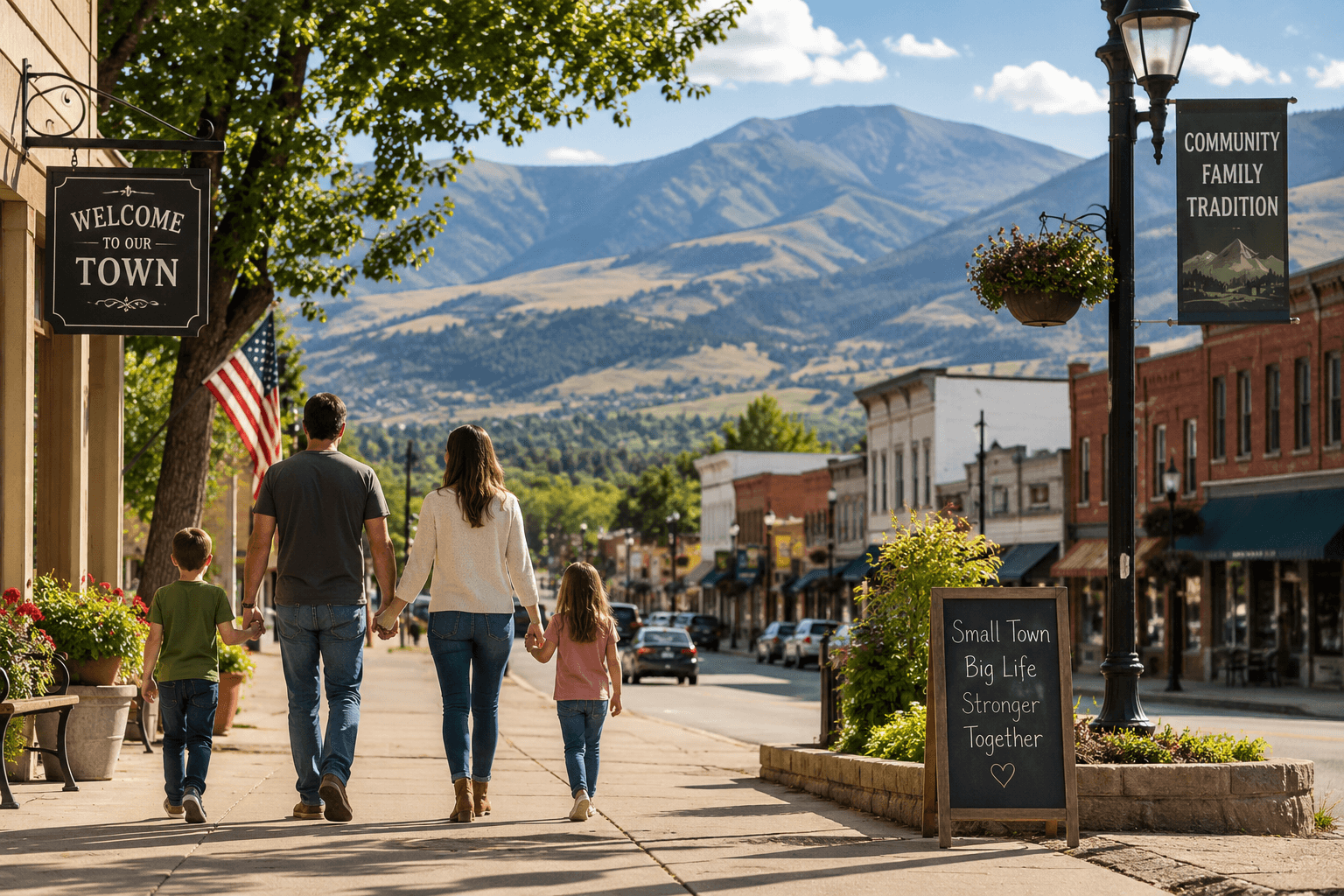
American families are rethinking where to put down roots, with a noticeable shift since the pandemic unlocked new possibilities for remote work.
The San Luis Valley is gaining attention as people move away from pricey cities in search of affordable homes, welcoming schools, and star-filled skies.
Monte Vista offers houses listed under $160,000, and in Alamosa, a two-bedroom costs less than a Denver parking space.
With a cost of living well below state and national averages, the numbers are appealing, especially for those working remotely or seeking a slower pace.
Yet, newcomers often mention the sense of community, outdoor access, and close-knit neighborhoods over mere savings.
Adapting to longer drives and rugged winters, families choosing the Valley are drawn by authenticity, not just escape.
The Valley remains true to itself—a quality that’s attracting more new faces than ever. Read More... |
 |
🌟 Small Business Spotlight — Red Rock General Store, Blanca |
More Than Just Great Food |
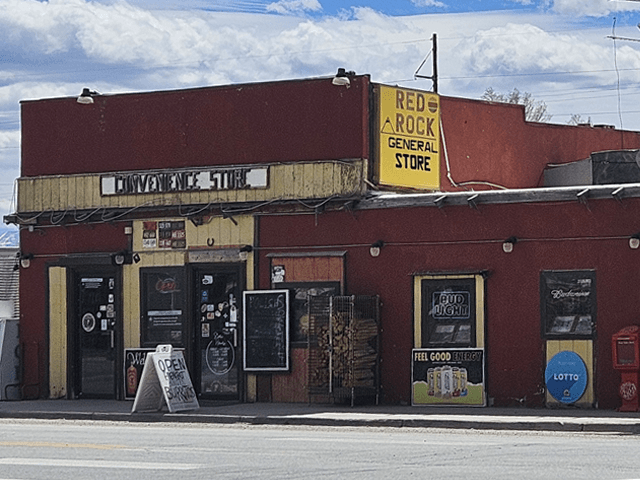
There is a building on Main Street in Blanca, Colorado that will stop you cold if you know what you're walking into — and surprise you completely if you don't. The Red Rock General Store looks from the outside like exactly what it is: a small-town general store in a Costilla County community of a few hundred people. Inside, it's something else entirely.
Mark Toczek grew up in Poland, spent time in Germany, landed in Chicago, and eventually found his way to Blanca in 1995 — where he and his Ukrainian-born wife Alisa have been running one of the most unexpectedly excellent food operations in southern Colorado ever since.
The menu is Polish and Eastern European at its core: house-made Polish sausage sandwiches, stuffed cabbage, Wiener schnitzel, and a rotating cast of scratch-made specials. The shelves carry rare European beers and specialty goods you won't find anywhere else in the Valley.
It has been TripAdvisor's highest-rated restaurant in the area for years, which tells you something — because the people rating it are coming from far outside Blanca.
It's the kind of place that reminds you the San Luis Valley has always been a land of unexpected arrivals who put down roots and built something real. Mark and Alisa have been doing that for 30 years. If you've never made the drive to Blanca for lunch, you have a very good reason to now.
📍 623 Main Street, Blanca, CO 81123 Phone: (719) 379-4610
Store & Deli Hours The store generally operates on the following schedule (hours are subject to change, so calling ahead is advised) Monday 6:30 AM–1 PM, 4–8 PM Tuesday 6:30 AM–1 PM, 4–8 PM Wednesday 6:30 AM–1 PM, 4–8 PM Thursday 6:30 AM–1 PM, 4–8 PM Friday (4th of July (Observed)) 6:30 AM–1 PM, 4–8 PM Hours might differ Saturday (4th of July) 6:30 AM–1 PM, 4–8 PM Hours might differ Sunday 8 AM–1 PM, 4–7 PM
Tell them The San Luis Valley Beat sent you! 💛 |
|
 |
 |
Preserving the stories of places time forgot. |
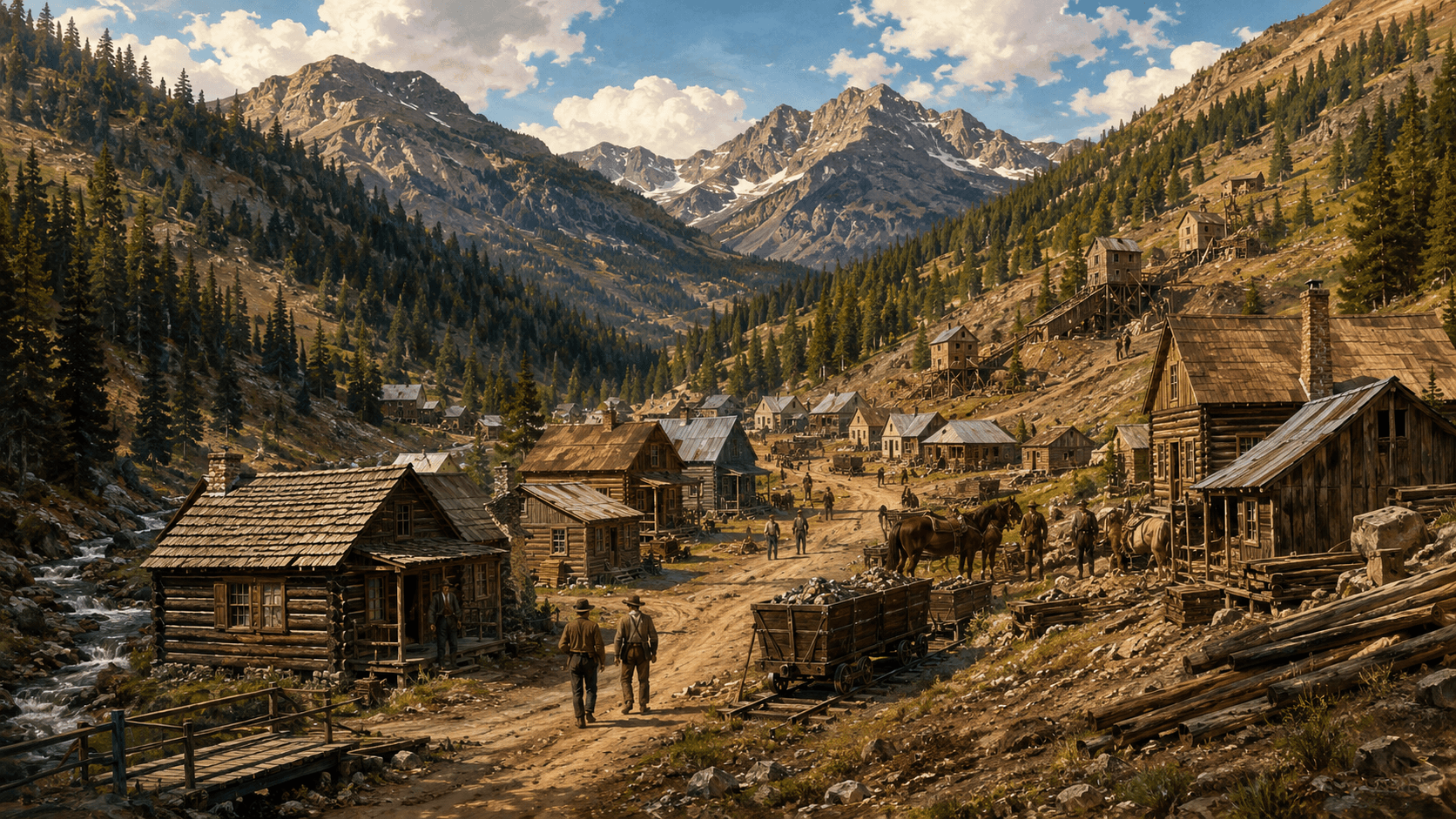 |
Stunner: The Town That Couldn't Get Out of Its Own Way
They gave it three names before they settled on Stunner — first Conejos Camp, then Loynton, and finally, in 1887, a name that said something about what people believed they'd found up there at 9,849 feet in the mountains of Conejos County.
The silver ore coming out of the hillsides was stunning. The setting along the canyon creek was stunning. The whole improbable enterprise of building a town this far from anywhere, this high, this remote, was stunning in its ambition.
By 1890 the camp had about 300 people, a post office, and the particular electric confidence of a Colorado mining town that believes it is on the verge of becoming something permanent. The Stunner district had been producing ore since the early 1880s, about a decade after rich gold strikes at nearby Summitville had set the San Juan Mountains on fire with prospectors.
Several mines showed extremely rich silver ore in their early workings, and enough claims had been staked and worked to keep hope alive through the end of the decade.
But the rich ore ran out, as it almost always did. And what was left behind — lower-grade ore that needed processing — ran into a problem Stunner could never solve: the town was simply too remote to make low-grade mining profitable. There was no railroad. The roads in and out were brutal. The cost of getting ore to a mill ate whatever margin was left. The post office closed in 1894. A brief revival in 1913 reopened it for a year before closing again for good.
What's left of Stunner today sits in one of the most beautiful canyons in Conejos County — the kind of scenery that makes you understand why people thought it was worth the effort. The Forest Service runs a small campground nearby that carries the name. The canyon creek still runs cold and clear. The mountains don't care what we named them or what we believed we'd found. They're still stunning.
"The ore ran out. The road stayed bad. The mountain stayed beautiful. Stunner lasted long enough to prove all three."
|
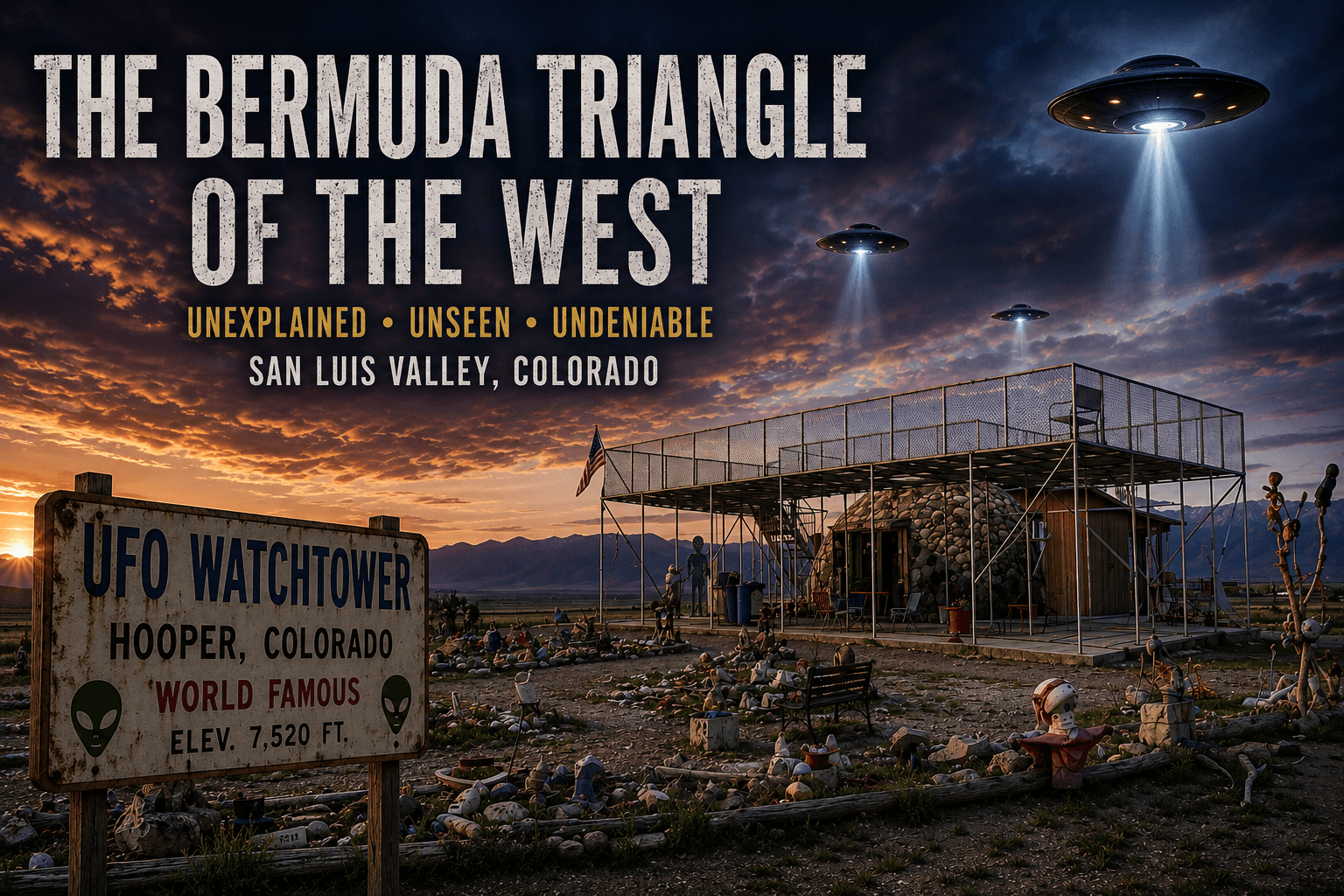
Unexplained lights in the Valley sky have fascinated people for centuries, with records stretching back to Spanish Conquistadors in the 1560s describing mysterious illuminations over the mountains.
Since 1992, Christopher O’Brien has meticulously documented more than 1,000 paranormal events here, presenting his findings in several books, including The Mysterious Valley.
This region gained national attention in 1967 after the puzzling discovery of a horse called Snippy—whose strange death, absence of blood, and elevated radiation readings remain unexplained to this day.
Snippy's skeleton is now on display at the UFO Watchtower near Hooper, a quirky landmark established by rancher Judy Messoline, who turned a local joke into an attraction drawing over 30,000 visitors and hundreds of firsthand UFO reports.
For those curious—believers or not—the Valley’s vast, dark skies continue to inspire wonder and mystery. Read More... |
 |
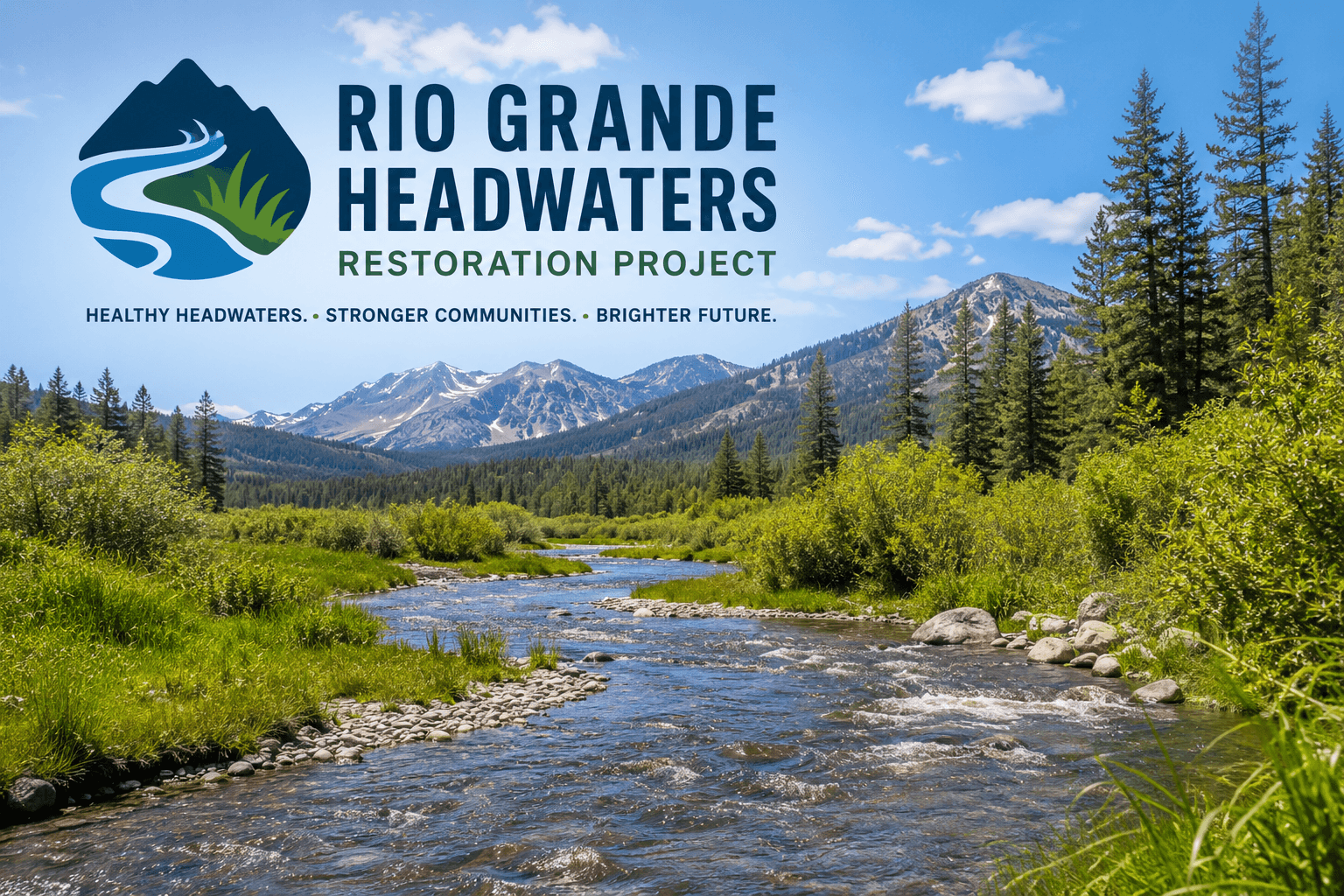 |
Rio Grande Headwaters Restoration Project
The Rio Grande doesn't start in New Mexico. It starts here — in the snowfields above the San Luis Valley, in the streams that feed down through Mineral and Rio Grande Counties, and in the groundwater that quietly keeps the whole system alive.
The Rio Grande Headwaters Restoration Project, based in Monte Vista, is the organization doing the hard, practical work of keeping it healthy. Founded in 1999, RGHRP focuses on restoring and protecting streams, wetlands, and riparian habitat across the upper Rio Grande watershed.
That means revegetating eroded stream banks with willows and native grasses, fencing cattle out of sensitive areas to let vegetation recover, improving fish passage, and working directly with landowners and ranchers to make conservation compatible with working land.
They've restored hundreds of stream miles across the Valley — unglamorous, essential work that you notice most when you're standing next to a healthy stretch of river that wasn't healthy a decade ago.
In an issue that includes a deep look at what's happening to the Valley's aquifer, it's worth knowing that stream restoration and groundwater health are directly linked. Healthy riparian corridors slow runoff, increase infiltration, and help recharge the aquifer that underlies every farm and ranch in the Valley. RGHRP is working on both ends of that equation.
Serving the upper Rio Grande watershed across 6 Valley counties |
 |
 |
🏘️ Discover Conejos
The Town of 46 That Holds Colorado's Oldest Church — and Its Last Unincorporated County Seat
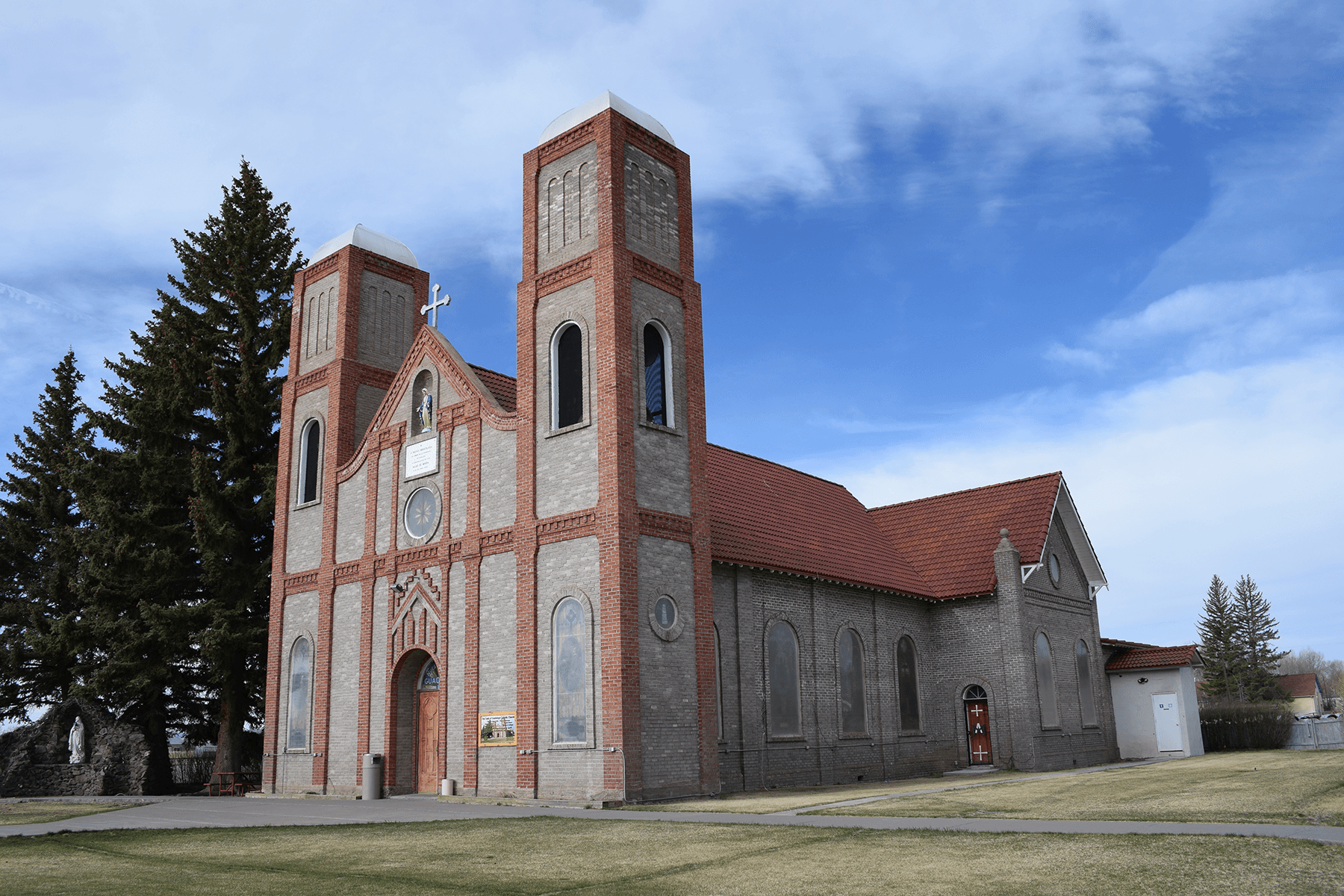
There are towns in the San Luis Valley that feel important when you drive through them — the wide main streets, the historic storefronts, the sense that a lot of life has moved through. Conejos is not that kind of town. Today it has a population of 46 people. You could drive through it and not realize you had. But what sits inside it — quietly, without any fanfare — is remarkable.
The story of Conejos begins in 1858, when Spanish-speaking settlers from New Mexico established a village on the north bank of the Conejos River. When spring floods claimed their homes that year, the community moved to higher ground on the south bank and named the new settlement Conejos — for the rabbits that were everywhere along the river.
When the Colorado Territory was created in 1861 and Conejos County was organized, this small adobe village became its county seat. It has remained so ever since, making Conejos the last unincorporated county seat in the entire state of Colorado — a government function carried by a community of 46.
But the thing that draws visitors to Conejos is not the county courthouse. It is the church. Our Lady of Guadalupe Parish was established in 1858 by Bishop John B. Lamy of Santa Fe — the same year the town was founded — making it the first Roman Catholic parish in what is now Colorado.
French missionary Joseph Machebeuf helped bring the parish to life, and a group of Jesuit Fathers arrived in 1871 to carry it forward. The church that stands today is not the original — a fire on Ash Wednesday 1926 consumed the interior, and the building was rebuilt and expanded over the decades that followed, with twin adobe towers surviving from 1879. But the parish itself has operated continuously since 1858, through statehood and world wars and every change the Valley has seen.
To walk into Our Lady of Guadalupe in Conejos is to stand inside the oldest act of community in Colorado — older than statehood, older than most of the towns in this newsletter, older than the water law that governs the ditch outside. It is still a working parish. People still attend Mass. The rabbits are probably still around somewhere, too.
🧠 Did You Know? Conejos is Spanish for "rabbits" — named for the abundance of jackrabbits the early settlers found along the riverbanks when they arrived in 1858. |
 |
 |
The Fourth of July Isn't Canceled — It's Adapting
The San Luis Valley is celebrating Independence Day a little differently this year.
Severe drought and increased wildfire danger have forced some communities to make the difficult decision to cancel their traditional fireworks displays.
Alamosa and South Fork are among those choosing safety first, recognizing that even professionally managed fireworks carry additional risk during exceptionally dry conditions.
But if you're worried there's nothing to do this holiday weekend, think again.
Across the Valley, communities are still rolling out the welcome mat with hometown parades, pancake breakfasts, classic car shows, rodeos, live entertainment, food vendors, family games, and community gatherings.
The spirit of Independence Day remains very much alive — only the grand finale in the night sky looks a little different in some places.
|
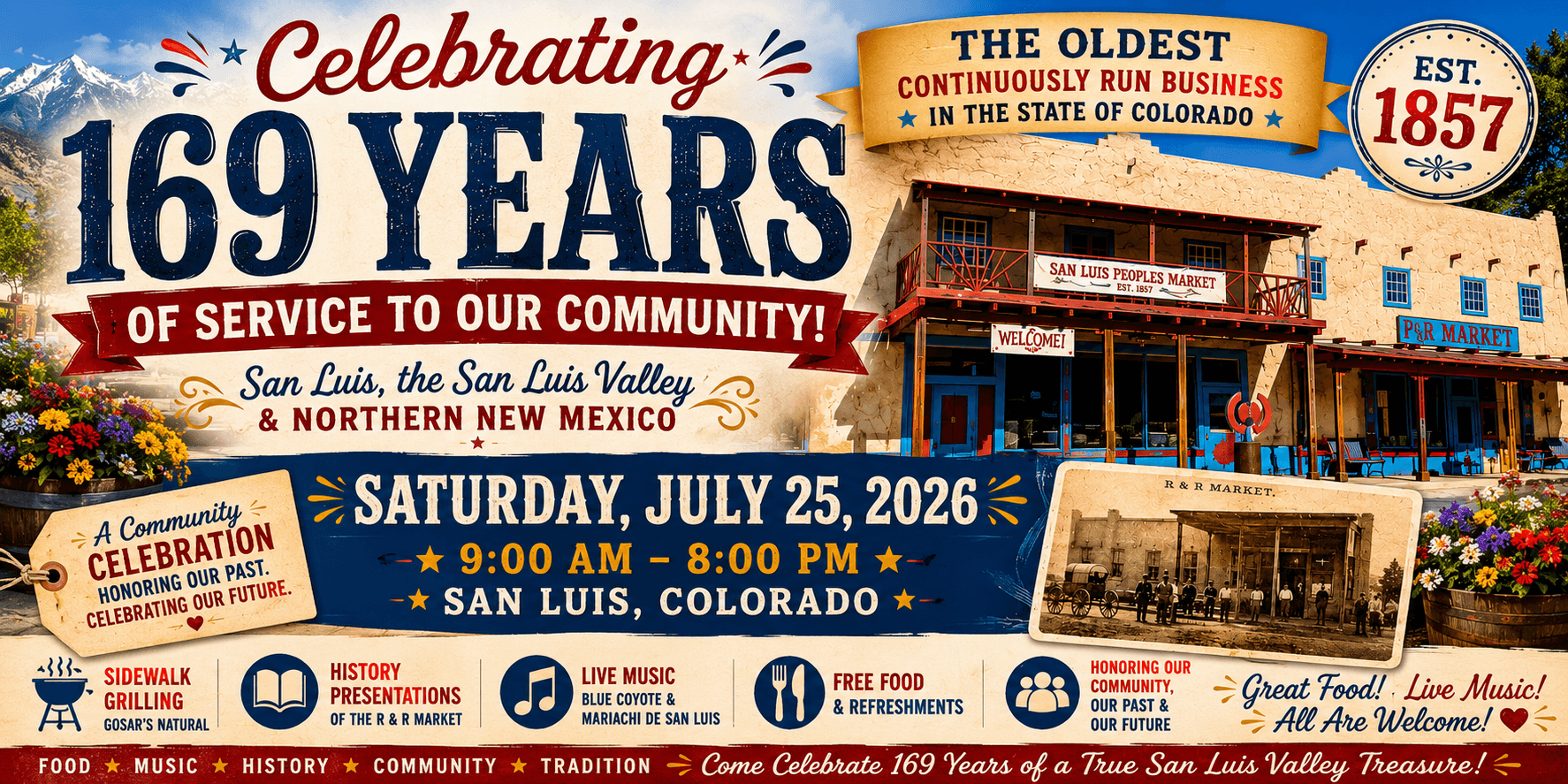
San Luis Peoples Market is set to mark its 169th anniversary with a vibrant community celebration on Saturday, July 25, 2026, bringing neighbors and visitors together at an iconic corner that’s been a hub since 1857.
Founded as the historic R&R Market before Colorado’s statehood, this beloved store has long served San Luis, the San Luis Valley, and northern New Mexico.
Festivities begin at 9:00 a.m. with sidewalk grilling by Gosar’s Natural, followed by community presentations, live performances, and free food.
Special moments will include a land acknowledgment by Father Emanuel Alao, reflections on Joe C. Gallegos, and local history shared by Felix and Claudia Romero.
Music from Blue Coyote and Mariachi de San Luis promises an energetic finish.
This event invites all to gather, honor heritage, and celebrate a San Luis landmark’s enduring legacy. Read More... |
 |
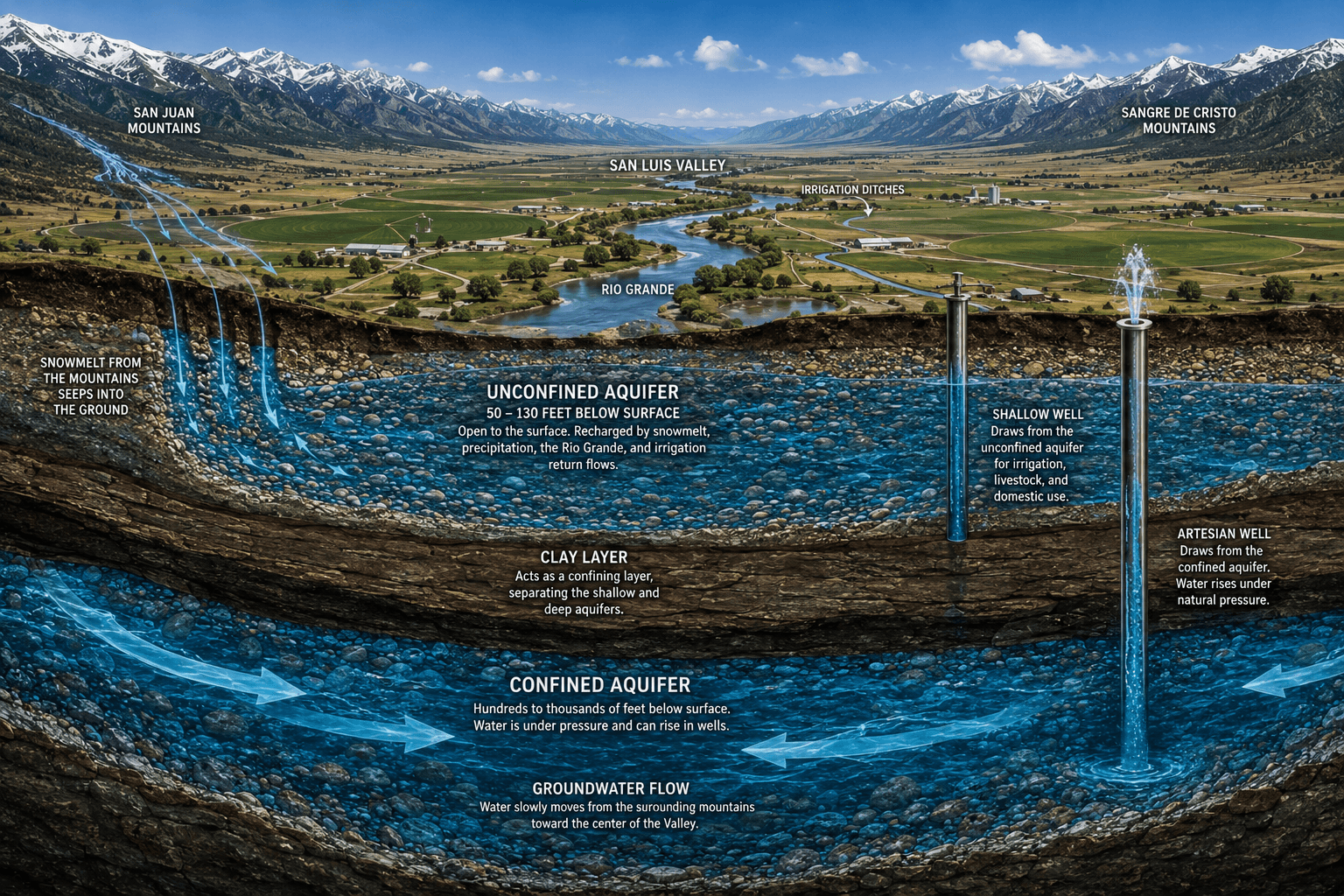
Standing in Colorado’s San Luis Valley means standing atop one of the West’s most unique water systems.
Beneath the fields and towns lies a vital, two-layered aquifer that has powered local agriculture for generations.
The upper unconfined aquifer, only 50 to 130 feet down, and a deeper confined layer together store ancient snowmelt.
But a drought beginning in 2002 caused the upper aquifer to lose over a million acre-feet, dropping to historic lows despite years of costly recovery efforts.
Colorado has enforced tough measures, including well retirements, farmland fallowing, pumping fees, and stricter oversight to stabilize the aquifer.
Local farmers face hard choices, but the stakes are high: the valley’s water sustains not only farms but also affects Colorado’s obligations under the Rio Grande Compact with New Mexico and Texas.
Now, the community confronts a critical challenge—refilling its underground reservoir before possibilities for recovery run out. Read More... |
💡 Tip of the Day:
The San Luis Valley's high altitude and dry air mean UV exposure is significantly higher than at sea level — even on cloudy days. If you're spending time outdoors this summer at the dunes, on the river, or in the mountains, sunscreen and a hat aren't optional. The sun hits different up here. |
This newsletter sponsored by Gone Rogue, South Fork |
Made-From-Scratch Cooking. |
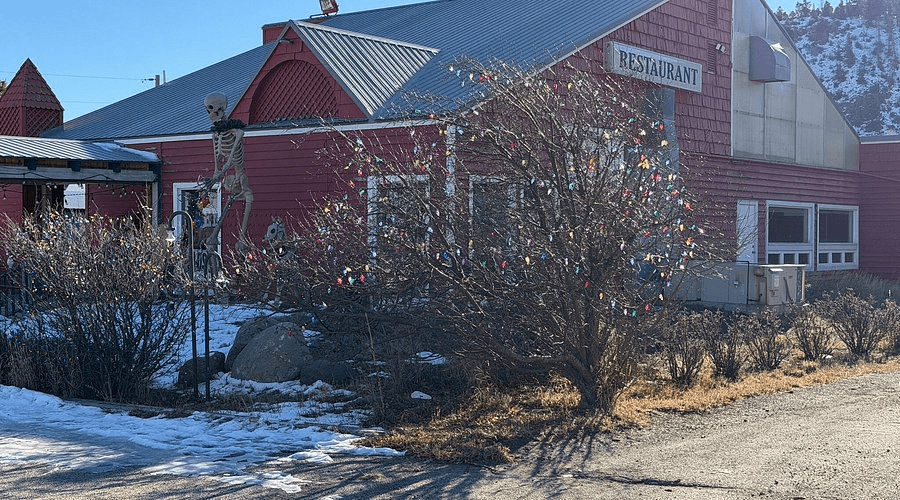
South Fork sees a lot of summer visitors — hikers heading to Wolf Creek, anglers working the Rio Grande, families making the drive up from Alamosa. Most of them are looking for a good meal at the end of a long day. The ones who find Gone Rogue on Jackson Street tend not to forget it.
This is a mom-and-pop operation in the truest sense: small, locally owned, and built entirely on made-from-scratch cooking. The burgers are hand-pattied. The chicken is hand-breaded. The catfish is hand-battered. The sauces, soups, and desserts are all made in-house, which is not how most places do it and is exactly why Gone Rogue's food tastes different from everywhere else on the strip.
The vibe is relaxed and unpretentious — beer and wine, a casual dining room, the kind of place where you feel comfortable showing up in waders.
If you're passing through South Fork this summer — and with Logger Days and the Ski Hi Stampede both coming up, there are good reasons to be in the area — make Gone Rogue the stop.
📍 30B Jackson Street, South Fork, CO 81154
Tell them The San Luis Valley Beat sent you! 💛 |
|
 |
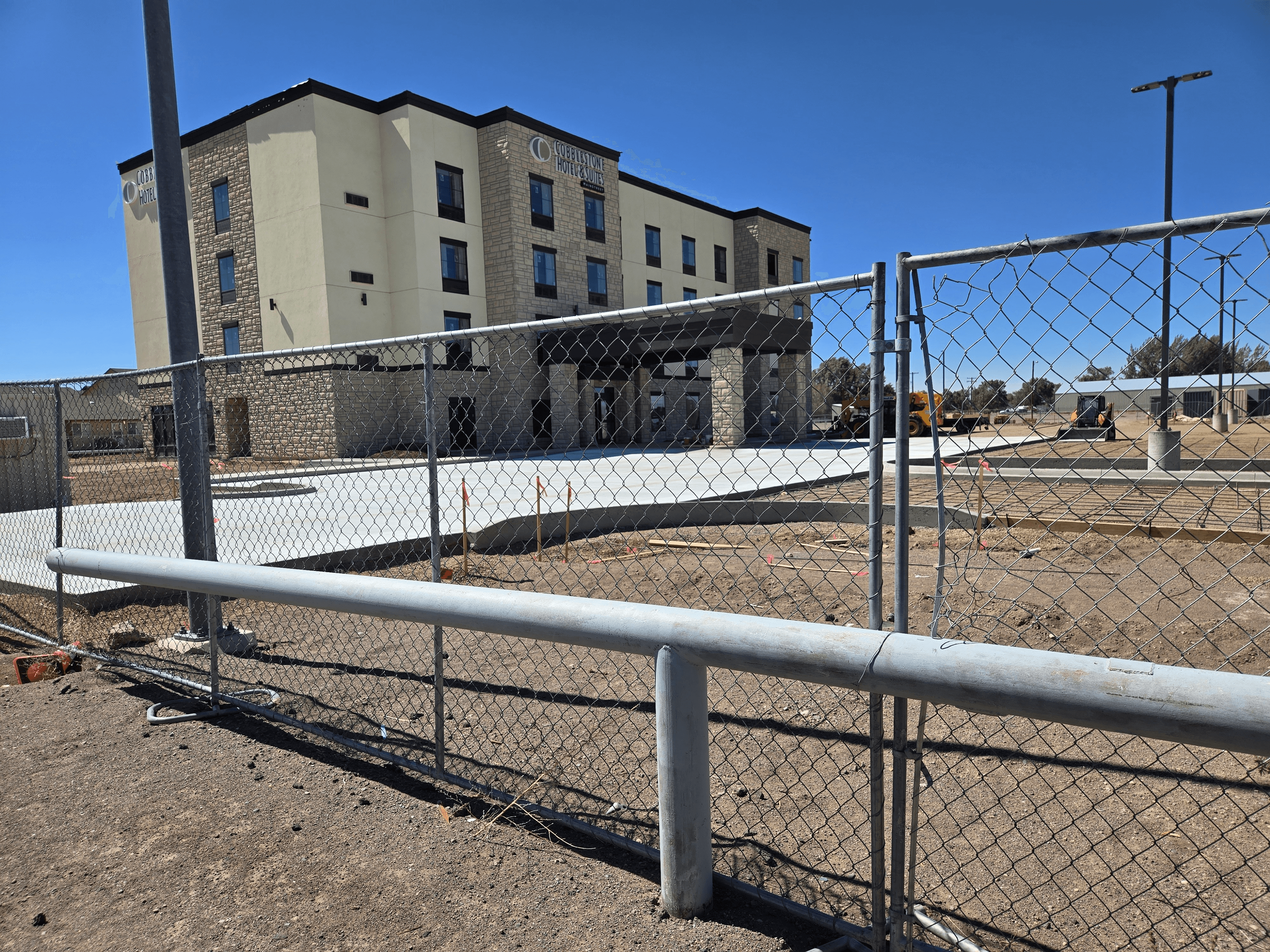
The Cobblestone Hotel & Suites – MainStreet in Monte Vista is nearing completion, with construction crews accomplishing visible progress on the four-story project.
Recent upgrades include fresh permanent signage, finished exterior stonework and stucco, and a covered front entrance that now defines the hotel’s curb appeal.
The completion of much of the concrete work for the entrance drive and parking areas lends the property a polished, almost ready look.
Heavy equipment and crews remain onsite as they finalize landscaping and exterior improvements before removing the construction fencing.
Once open, the 62-room hotel will provide new lodging options for visitors, business travelers, and event guests across the San Luis Valley, with amenities like an indoor pool, fitness center, meeting space, and complimentary breakfast.
No firm opening date has been set, but the project’s steady momentum signals that its debut is just around the corner. Read More... |
 |
 |
 |
🍽️ San Luis Valley Green Chile Chicken Enchiladas
Enchiladas are the Valley's comfort food in its purest form — and this version leans into local green chile and Valley-grown ingredients. Make a big pan on a Sunday and you'll be eating well through Wednesday.
INGREDIENTS 2 lbs boneless chicken thighs (or rotisserie chicken, shredded)
INSTRUCTIONS 1. If using raw chicken, season with cumin, chili powder, and salt. Cook in a skillet over medium-high heat until cooked through, about 6–7 minutes per side. Let rest and shred. If using rotisserie chicken, simply shred and set aside. 2. In the same skillet, sauté the onion over medium heat until soft, about 5 minutes. Add the garlic and cook 1 minute more. Add the green chiles and stir to combine. 3. Add the shredded chicken to the skillet. Stir in the cream cheese and half the enchilada sauce. Mix until the cream cheese is fully incorporated and the filling is cohesive. Taste and adjust salt. 4. Preheat oven to 375°F. Spread a thin layer of enchilada sauce across the bottom of a 9x13 baking dish. 5. Warm the tortillas briefly in a dry skillet or microwave to make them pliable. Fill each with a generous scoop of the chicken mixture, roll tightly, and place seam-side down in the baking dish. 6. Pour the remaining enchilada sauce and chicken broth over the top. Sprinkle with the remaining Monterey Jack cheese. 7. Cover with foil and bake for 25 minutes. Remove foil and bake an additional 10 minutes until the cheese is bubbly and beginning to brown. 8. Let rest 5 minutes before serving. Top with sour cream, fresh cilantro, and sliced jalapeños. |
 |
💡 Trivia Answer:
Conejos! Founded in 1858 after spring floods pushed the original settlers to higher ground, Conejos became the seat of Conejos County when Colorado Territory was organized in 1861 — a role it still holds today, making it the last unincorporated county seat in Colorado. Its current population of 46 makes it one of the smallest county seats in the nation, but Our Lady of Guadalupe Parish — Colorado's oldest Catholic church, established the same year the town was founded — has been drawing visitors for over 165 years. |