
More Than Just Installing a Generator |
Unleashing the Power of Preparedness: How Installing a Generator Can Transform Your Home and Your Life |
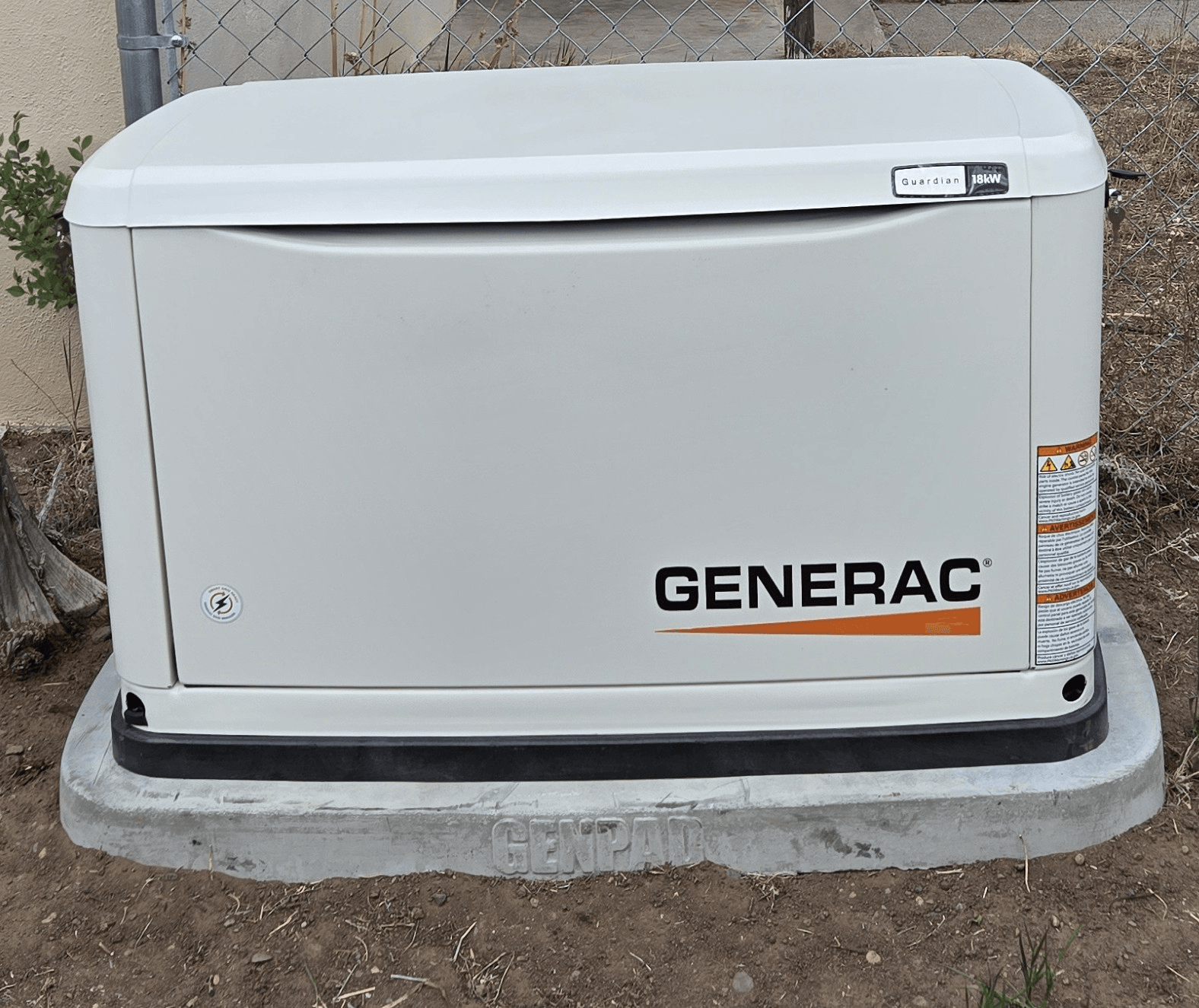
Back in late April, we made the decision to have a Generac whole-home standby generator installed at our home. A little over two months later, the project is finally complete.
When we first started, I assumed the process would be fairly straightforward. The generator would be delivered, set on its concrete pad, connected, tested, and ready to go. As it turns out, there was a lot more involved than simply placing a generator beside the house.
Because our installation uses natural gas the project required several different pieces to come together. There was the electrical work to connect the generator to the home's automatic transfer switch, natural gas plumbing, inspections, and finally an upgrade by Xcel Energy to our gas meter and regulator to provide the additional gas capacity the generator requires.
Each step depended on the one before it, and coordinating schedules between contractors, inspectors, and the utility company naturally added time to the project. I think everyone involved—including the installation company, Stone Peak Power —was a little surprised by how long the entire process ultimately took.
Today, though, everything finally came together. The final testing was completed, and the generator performed exactly as it should. Within seconds of a power interruption, it automatically starts and supplies electricity to the house until utility power is restored.
For our family, this project was never simply about convenience. Because I rely on supplemental oxygen, having dependable backup power provides an added level of security and peace of mind. Knowing that essential equipment will continue operating during an outage makes this one investment I hope we never truly need—but one I'm very glad to have.
One thing I learned through this experience is that if you're considering a whole-home standby generator, it's worth asking about the entire process, not just the installation itself. Depending on your home's electrical service, gas supply, local inspections, and utility requirements, there can be several steps involved before everything is ready to go.
In the end, it was well worth the wait. There's something reassuring about knowing that when the lights go out, the house won't.
A sincere thank you goes out to the team at Stone Peak Power, the electricians, gas technicians, city inspectors, and the crews at Xcel Energy who each played an important role in bringing this project across the finish line. Projects like this truly are a team effort, and we're grateful to everyone who helped make it happen. ``` |
0 Comments
Join the conversation
Be the first to comment
Share your thoughts above.