
Before Quinoa Was Trendy |
Unlocking the Ancient Origins of Quinoa: A Rare Glimpse into Prehistoric Health Superfoods |
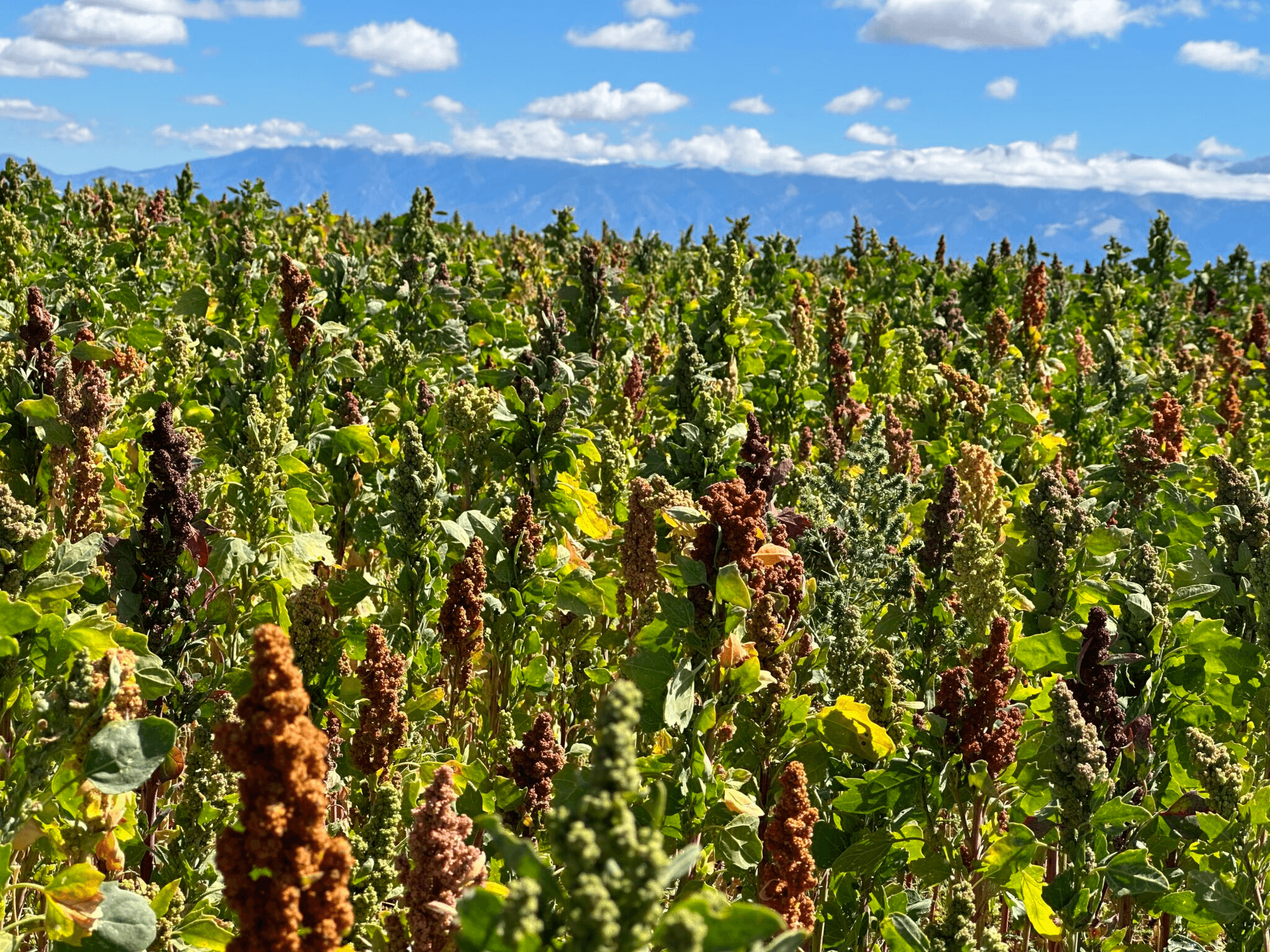
Back in 1987, when most Americans thought quinoa was a made-up word, a Saguache County farmer named Paul New planted the first large-scale commercial quinoa crop in North America. New, a third-generation farmer near Moffat, had been introduced to the grain by a graduate student who rented land from his operation — and he recognized something in it that the rest of the country wouldn't figure out for another two decades: this crop was made for the San Luis Valley.
Quinoa evolved in the high Andes at altitudes that match the Valley almost exactly. It handles wide temperature swings, intense high-altitude sun, and a short growing season — and critically for this drought-stressed region, it uses remarkably little water. By the time quinoa became a global health food sensation in the 2010s, Valley farmers like New and his partner Sheldon Rockey of Center, Colorado were running around 3,000 acres of the stuff, and had partnered with Ardent Mills — one of the country's largest flour companies — to process and sell Colorado quinoa nationally under the Colorado Quinoa brand.
Then came the fly. Starting in 2020, New noticed small holes in his crop. By 2021, yields had collapsed. Researchers eventually identified the culprit: a stem-boring fly that had discovered Valley quinoa fields and was laying eggs in the stalks before the plants could seed. By 2022, quinoa acreage had plummeted from 3,000 acres to around 900. It was a gut punch for farmers who had spent years building something genuinely unique.
The research is ongoing, and the growers are still at it — because what they built here is worth fighting for. The San Luis Valley remains one of the only places in North America where quinoa is grown commercially, and the Ardent Mills partnership is still active. Next time you reach for that bag of quinoa at the grocery store, check the label. There's a decent chance it came from a field in Saguache County.
|
0 Comments
Join the conversation
Be the first to comment
Share your thoughts above.