
The Buffalo Are Coming Home to the San Luis Valley |
Reintroducing Buffalo: A Majestic Return to Colorado's San Luis Valley |
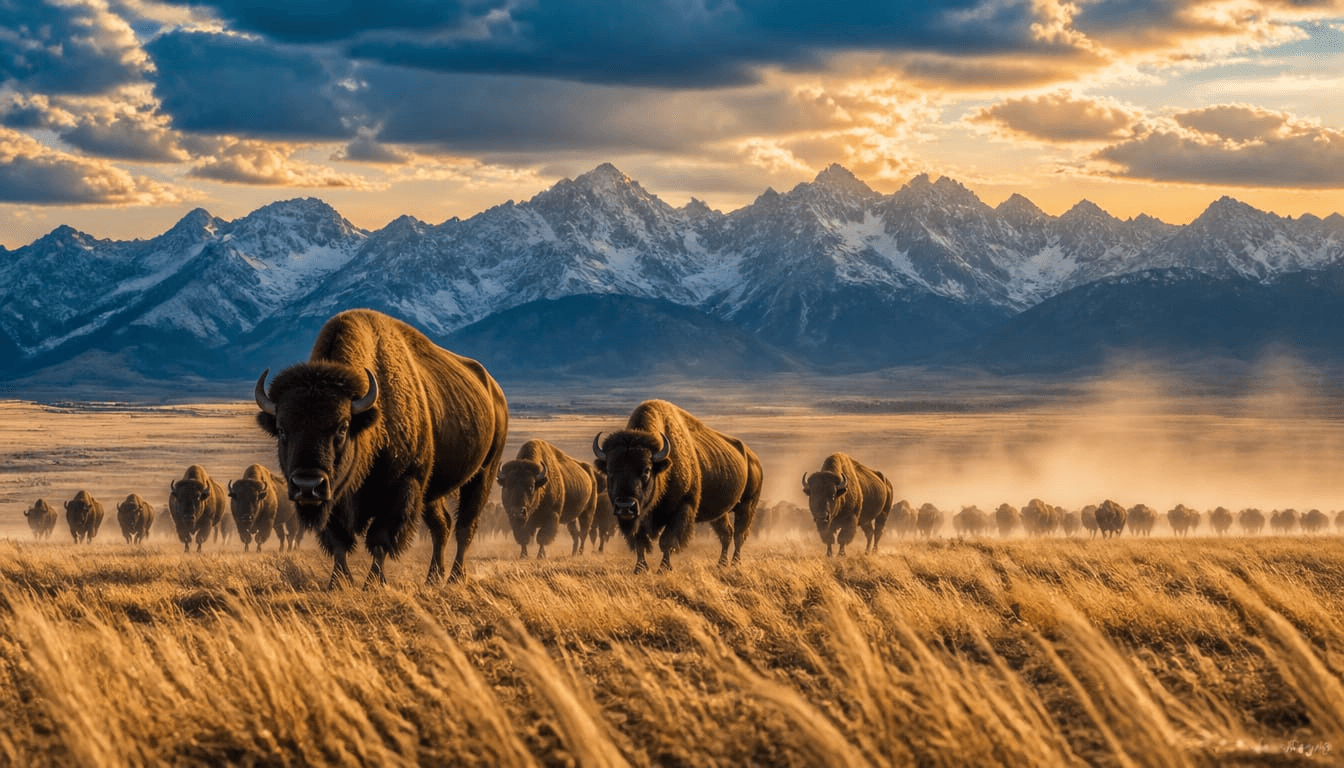
Before the Spanish arrived, before the Valley had a name, this high desert floor was bison country. Ancient bison relatives — including Bison antiquus, a creature with three-foot horns and a body weighing 3,500 pounds — roamed here for millennia alongside the Ute people. Then the 19th century happened, and by 1890 the great herds were gone from Colorado entirely. They're coming back.
About 20 miles east of Alamosa, tucked between the Great Sand Dunes and the Sangre de Cristo Mountains, The Nature Conservancy's Zapata Ranch runs what may be the most important bison herd in the American West. Around 1,600 animals roam freely across 44,000 acres — managed not like livestock, but like a wild population. They choose where to graze, form their own social groups, and compete naturally for mates. Once a year, the ranch team gathers the herd using helicopters and dirt bikes for monitoring and genetic testing.
That genetic work is the part most people don't know about. When bison nearly went extinct in the 1880s, the small surviving populations were often crossbred with cattle to keep numbers up. Today, most commercial bison carry cattle DNA. The Zapata herd is part of a decades-long effort to breed that out — the last two rounds of testing found only 2-3 animals in the entire 1,600-head herd still carrying cattle mitochondrial DNA. The National Park Service is now actively studying plans to bring a bison herd to Great Sand Dunes National Park.
And on the commercial side, a fifth-generation farming family in La Jara has been quietly building something different. Stephen Valdez ran cattle for years before transitioning to bison in 2017. Today, Big River Bison runs a 1,500-acre grass-fed operation selling at farmers markets, local restaurants, and grocers across the region. After 130 years away, the buffalo are genuinely coming home to the Valley. 🦬
|
0 Comments
Join the conversation
Be the first to comment
Share your thoughts above.