
San Luis Valley's Private Wells Face Rising Heavy Metal Contamination Amid Persistent Drought |
Elevated arsenic and uranium levels in drinking water pose health risks to local households |
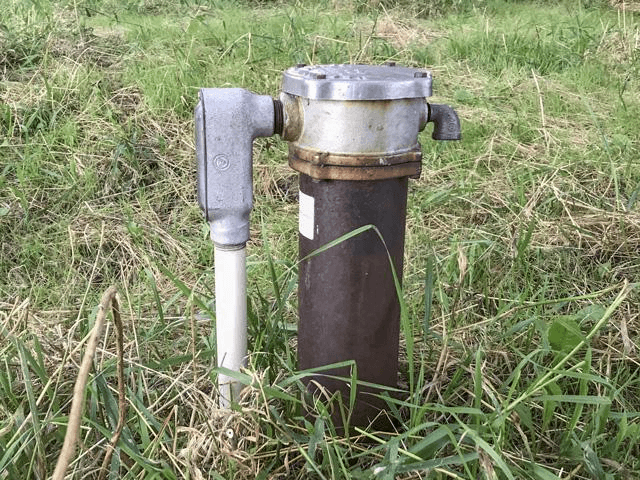
The San Luis Valley is confronting a pressing issue: increasing heavy metal contamination in private drinking wells, a consequence of prolonged drought and climate change. Recent studies reveal that approximately 25% of these wells exhibit elevated levels of arsenic and uranium, substances known to cause serious health problems. ([cpr.org](https://www.cpr.org/2023/05/25/san-luis-valley-drought-arsenic/?utm_source=openai))
Katherine James, Ph.D., an associate professor at the Colorado School of Public Health, has been at the forefront of this research. Over the past three years, she has collaborated with local families to assess the impact of drought on both water quantity and quality. Her findings indicate that reduced snowpack leads to older groundwater, which in turn increases the concentration of naturally occurring heavy metals in private wells. ([ksut.org](https://www.ksut.org/environment-climate/2023-03-20/researcher-enlists-san-luis-valley-residents-in-exploring-how-drought-affects-aquifer-health?utm_source=openai))
The health implications are significant. Chronic exposure to arsenic and uranium is linked to conditions such as cancer, kidney disease, and cardiovascular issues. Alarmingly, many residents remain unaware of these risks, as these contaminants are both colorless and odorless. ([cpr.org](https://www.cpr.org/2023/05/25/san-luis-valley-drought-arsenic/?utm_source=openai))
In response, James is spearheading a comprehensive study aiming to test 1,000 private wells across the valley. Participants receive free water testing and personalized consultations to understand their results. Preliminary data suggests that 5% to 8% of wells have elevated metal levels, with arsenic and uranium being the most concerning. ([ksut.org](https://www.ksut.org/environment-climate/2023-03-20/researcher-enlists-san-luis-valley-residents-in-exploring-how-drought-affects-aquifer-health?utm_source=openai))
Community engagement is crucial. Residents like Angie Mestas, a schoolteacher in Conejos County, have proactively sought testing for their wells. Mestas, who invested her savings into drilling a new well, refrains from using it until she confirms its safety, highlighting the community's growing awareness and concern. ([wvia.org](https://www.wvia.org/news/health/2023-05-22/once-paradise-parched-colorado-valley-grapples-with-arsenic-in-water?utm_source=openai))
The San Luis Valley's agricultural backbone is also at risk. Farmers face state mandates to reduce groundwater pumping and retire fields to restore aquifer levels. Failure to meet these requirements could lead to well shutdowns, threatening the region's economy and way of life. ([publicnewsservice.org](https://www.publicnewsservice.org/2024-12-23/water/colorados-new-tool-for-preserving-aquifers-for-farming/a94247-1?utm_source=openai))
Addressing this multifaceted challenge requires a concerted effort from researchers, policymakers, and the community. Ensuring the safety of private wells is paramount to protecting public health and sustaining the valley's agricultural heritage. |
0 Comments
Join the conversation
Be the first to comment
Share your thoughts above.