
Cielo Vista Ranch Buffer Zone Controversy in San Luis Valley Colorado |
Exploring the san luis valley land dispute and ongoing issues with the buffer zone controversy |
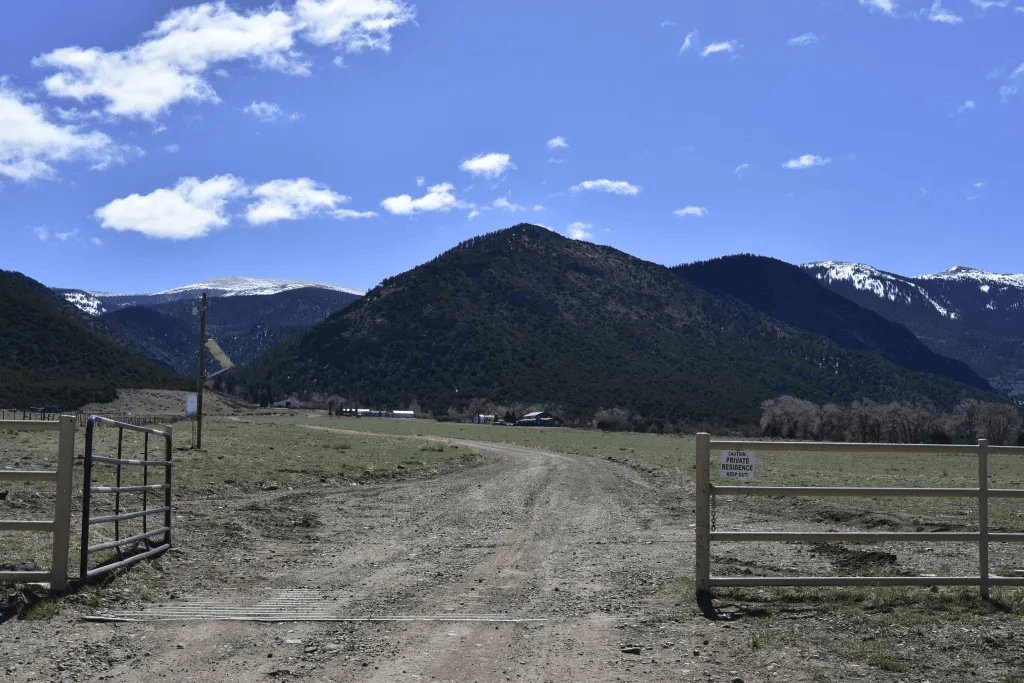
The Cielo Vista Ranch in Colorado's San Luis Valley is once again at the center of a heated land dispute.
At the heart of the controversy is a proposed 233.6-acre "buffer zone" surrounding a new residence planned by ranch owner William Harrison.
Harrison contends that this buffer is essential for his privacy and safety.
However, local residents and descendants of the original settlers argue that this move would severely restrict their historic rights to access the land for activities like gathering firewood and grazing livestock.
These rights date back to the Sangre de Cristo Land Grant of 1844, which granted settlers communal use of the land, a tradition that has persisted for generations.
The proposed buffer zone encompasses a significant portion of prime grazing land, including a large meadow below Lomo Liso Mountain, an area traditionally used by local ranchers.
Opponents argue that restricting access to this area would not only infringe upon their rights but also disrupt the local agricultural practices that have been a cornerstone of the community's livelihood.
This dispute is the latest chapter in a series of conflicts between Harrison and the local community.
In recent years, Harrison constructed an 8-foot-tall fence around the ranch, a move that faced significant backlash.
Critics claimed the fence disrupted wildlife migration patterns and caused environmental damage due to erosion from the construction process.
In response to these concerns, state officials issued a cease and desist order, citing violations of the Colorado Water Quality Control Act.
Additionally, in May 2025, a new state law was enacted, granting local governments the authority to regulate and potentially prohibit such disruptive fencing projects.
The ongoing legal battles underscore the deep-seated tensions between private property rights and communal land use traditions in the San Luis Valley.
As the hearings progress, the outcome will likely have significant implications for the future of land access and use in the region.
Residents remain steadfast in their commitment to preserving their ancestral rights, emphasizing the importance of maintaining access to the land that has sustained their families for generations.
Conversely, Harrison maintains that his actions are necessary to protect his property and personal safety.
The resolution of this dispute will require a delicate balance between respecting historical communal rights and addressing the concerns of private landowners.
As the community awaits the court's decision, the case serves as a poignant reminder of the complexities inherent in land ownership and use, especially in areas rich with history and tradition. |
0 Comments
Join the conversation
Be the first to comment
Share your thoughts above.