The San Luis Valley Beat
Latest News
|The San Luis Valley Beat
Latest News

Subscribe

How to Tell If a Food Vendor Is Legit at Local Events

|

The San Luis Valley Beat

Archives

How to Tell If a Food Vendor Is Legit at Local Events

SIGN UP FOR OUR NEWSLETTER

How to Tell If a Food Vendor Is Legit at Local Events

What San Luis Valley shoppers should know before they buy

A Friendly Note From the Road:
Through my travels to events, festivals, and farmers markets around the region, I’ve noticed that not every vendor or event always follows these guidelines perfectly. In many cases, it’s simply a matter of misunderstanding or not knowing the rules rather than intentional wrongdoing. This guide isn’t meant to call anyone out — it’s meant to help shoppers stay informed and encourage safe, transparent practices that benefit both customers and hardworking vendors alike.


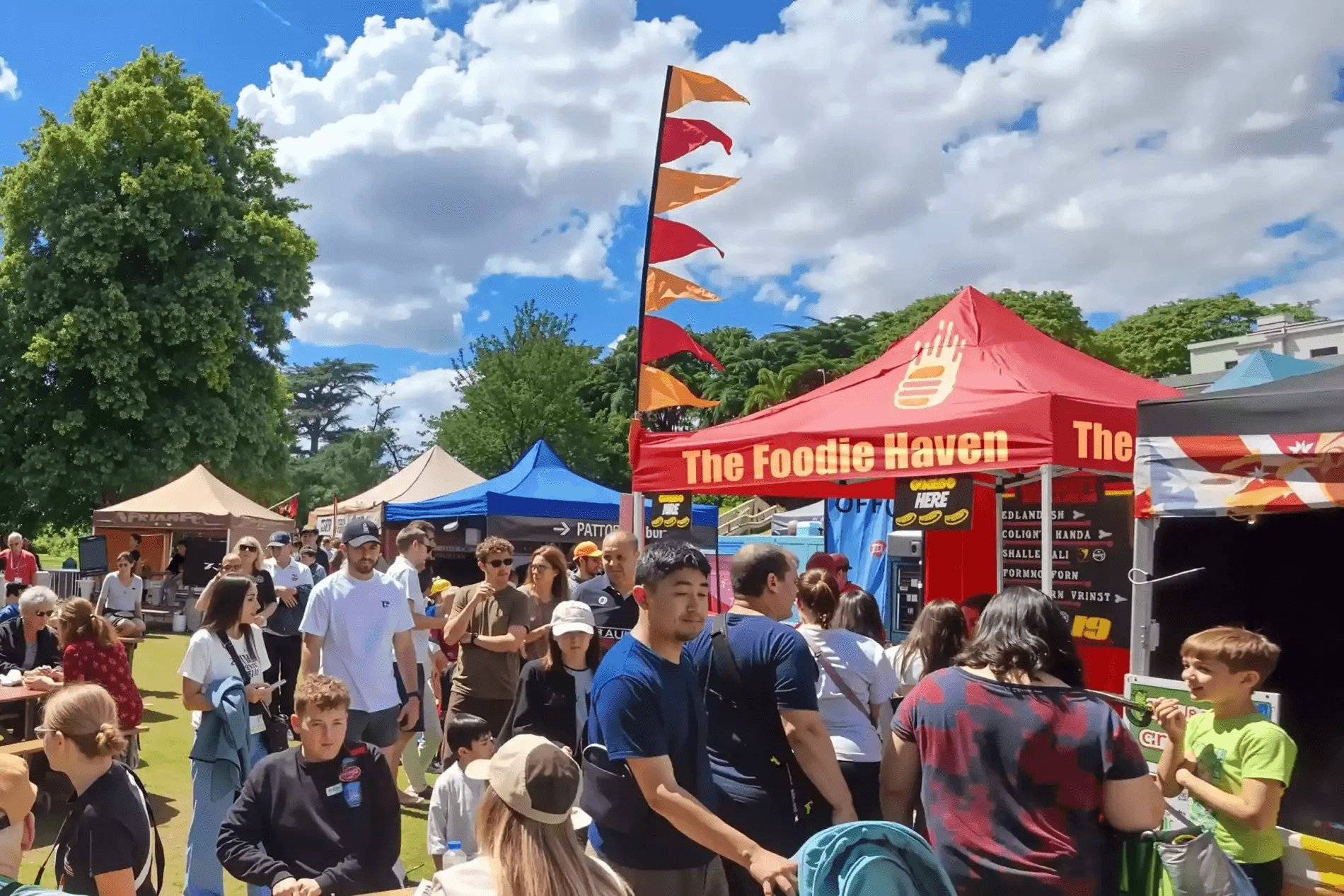
From farmers markets to festivals, the San Luis Valley is full of talented home cooks, bakers, and food artisans selling everything from breads and jams to pickled treats. Most vendors are doing things the right way — but how can you tell if someone is operating legally and safely?

Here’s a simple guide to help you shop smart and support vendors who follow Colorado food laws.


✔️ Look for a Permit or Certificate

Legitimate food vendors will usually display one of these at their booth:

  • Cottage Food Training Certificate
  • Temporary Food Establishment Permit
  • Retail Food License

These are often laminated or posted on the table. If you don’t see one, it’s perfectly okay to politely ask.


🏷️ Check the Label (for packaged foods)

If a food is prepackaged — like jars, bags, or sealed containers — it should have a proper label. In Colorado, most packaged foods must include:

  • Product name
  • Producer name and address
  • Ingredient list
  • Allergen information
  • Required disclaimer (for cottage foods)

If the jar only has a handwritten name like “Salsa” or “Eggs” with no ingredients listed, that’s a red flag.


🥚 Know Which Foods Can’t Be Sold Homemade

Some foods are not allowed to be sold from home kitchens at all, including:

  • Pickled eggs
  • Meat products
  • Dairy-based foods
  • Anything that must be refrigerated for safety

If you see these being sold without commercial labeling or refrigeration, they may not be compliant.


🌡️ Watch How Food Is Handled

Legitimate vendors follow safe food practices:

  • Cold foods kept cold
  • Hot foods kept hot
  • Clean serving utensils
  • Gloves or handwashing access

If something looks questionable, trust your instincts.


🤝 Why This Matters

Food rules aren’t meant to make life harder for small vendors — they exist to prevent foodborne illness and protect customers. Vendors who follow the rules are investing time and effort to do things right, and they deserve your support.


Quick Shopper Tip:
When in doubt, just ask:
“Are you licensed or cottage food certified?”

Responsible vendors will gladly explain.

The San Luis Valley Beat

© 2026 The San Luis Valley Beat.

The San Luis Valley Beat is your friendly, go-to guide for life in the San Luis Valley of Colorado. It delivers a curated mix of essential local news, community events, hidden gems waiting to be discovered, and shoutouts to the neighbors who make the high valley special. This is the pulse of the community, connecting residents from the surrounding peaks to the valley floor.

© 2026 The San Luis Valley Beat.